Zum Inhalt springen

Selecting the right manufacturing partner is the most critical decision for a brand’s supply chain stability. A poor choice often leads to eroded profit margins, inconsistent product quality, and inventory delays.
China remains the premier destination for custom bag sourcing due to its integrated supply chain, cost-efficiency, and advanced customization capabilities. This combination allows businesses to scale production from trial runs to mass volumes while maintaining competitive retail pricing.
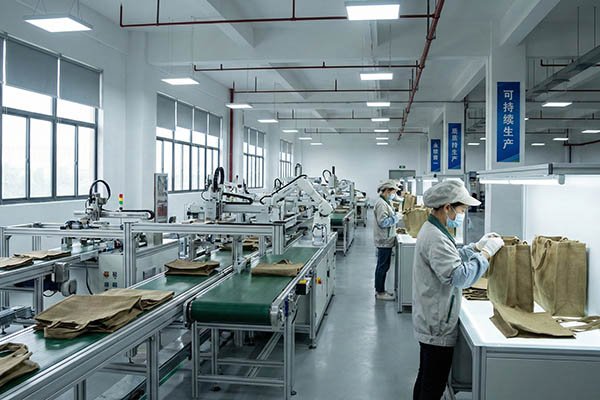
Many businesses debate between domestic production and overseas options. Understanding the specific advantages of each region helps in making a data-driven procurement decision.
Why Not Source Custom Bags Locally?
Domestic manufacturing often presents significant financial barriers for scaling brands due to operational expenses. High overheads generally make the final product price uncompetitive in the broader market.
Local sourcing typically involves high labor costs and limited material availability, making it difficult to achieve competitive unit pricing. Additionally, domestic workshops often lack the capacity for large-scale production runs required for retail expansion.
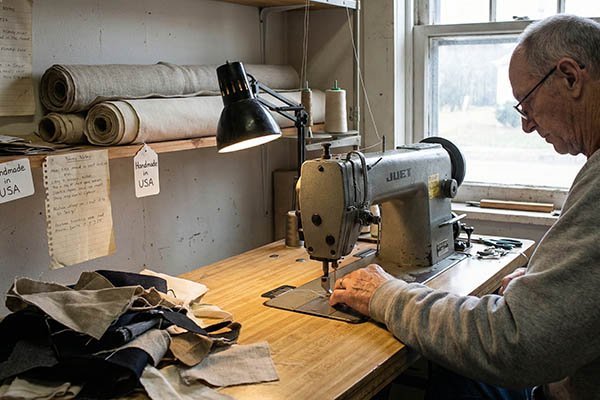
While local manufacturing offers the convenience of proximity, the economic structure often hinders scalability for small and medium businesses. The primary challenge lies in the "Total Landed Cost." In Western markets, labor rates are significantly higher, which inflates the base cost of production. A simple cotton tote bag produced domestically might cost three to four times more than an imported equivalent, leaving minimal room for wholesale or retail markups. Brands often find themselves pricing products above market tolerance just to break even.
Beyond cost, technical limitations are a major constraint. Domestic facilities are frequently smaller operations with limited machinery. They often rely on standard, in-stock fabrics and cannot easily source specialized materials like heavy-duty canvas, washable paper, or rPET without expensive special orders. Furthermore, advanced customization processes such as full-color digital printing, rotary screen printing, or complex embroidery are often outsourced by local shops to third-party providers. This subcontracting adds layers of cost and extends production timelines. When a brand requires a custom-dyed fabric to match a specific Pantone color, local suppliers often cannot accommodate the request due to high Minimum Order Quantities (MOQs) imposed by their own material distributors.
Why Not Source from Other Manufacturing Countries?
Emerging manufacturing hubs like Vietnam or India offer low labor costs but often lack supply chain depth. Lower wages do not always equate to a lower total landed cost or better efficiency.
Sourcing from other regions can lead to longer lead times because raw materials often need to be imported from China first. This fragmentation adds complexity and increases the risk of production delays due to logistics.

Countries such as India, Vietnam, and Bangladesh have become popular for apparel due to competitive labor rates, but the custom bag sector faces different challenges. The manufacturing ecosystem in these regions is often fragmented. China produces the vast majority of the world’s component parts, including zippers, buckles, webbing, and specialized functional fabrics. Consequently, factories in Southeast Asia often must import these raw materials from China before production can commence. This dependency creates a "broken" supply chain where a simple delay in material shipment can halt an entire production line for weeks.
Additionally, quality control consistency varies. China has spent the last thirty years establishing rigid export quality standards and adopting advanced manufacturing technologies. In contrast, emerging markets may still struggle with consistency in complex processes like high-definition printing or color fastness. For example, ensuring that a logo print does not crack or fade after washing requires mature ink technology and experienced technicians, which are abundant in China but harder to find in developing manufacturing hubs. Logistics also play a role; shipping infrastructure in China is highly developed with frequent direct vessels to major global ports. Other regions often suffer from port congestion or fewer direct routes, adding unpredictability to delivery schedules, which is a critical risk for event-based or seasonal product launches.
Why China Remains the Best Option
China provides a comprehensive solution that balances cost, quality, and speed for international buyers. It remains the only region offering a fully integrated manufacturing environment for custom goods.
The country offers a mature manufacturing ecosystem with immediate access to diverse materials and advanced printing technologies. This ensures high-quality output for both small trial orders and large-scale production without sacrificing delivery speed.

The core advantage of sourcing from China is the "Industrial Cluster" effect. In regions like Zhejiang and Guangdong, material suppliers, printing houses, and sewing factories are often located within the same industrial park. This proximity allows for unparalleled efficiency. If a prototype requires a different fabric weight or texture, a factory can source a new material roll within hours rather than days. This ecosystem supports a vast library of options, from traditional organic cotton and durable canvas to innovative, sustainable materials like Tyvek, washable paper, and non-woven fabrics.
The table below illustrates the competitive edge in key areas:
| Merkmal | China | Other Manufacturing Countries |
|---|---|---|
| Supply Chain Integration | Complete (Materials & Hardware made locally) | Partial (Often imports components) |
| Printing Technology | Mature (Sublimation, UV, Digital, Screen) | Developing (Limited techniques) |
| Response Time | Fast (Rapid prototyping & modification) | Slow (Due to component logistics) |
| Order Flexibility | High (Supports SME to Fortune 500) | Low (Often prefers massive uniform orders) |
Furthermore, the workforce in Chinese bag factories possesses decades of specialized experience. This expertise is crucial for complex bag construction involving multiple pockets, zippers, and reinforced stitching. Experienced manufacturers can identify potential design flaws before mass production begins, suggesting structural improvements that save costs and enhance durability. This level of consultative manufacturing service is rare in markets that function purely as assembly hubs.
How the Custom Bag Sourcing Process Works in China
The procurement workflow in China follows a standardized, logical progression designed to minimize trade risks. Following this established path ensures transparency and quality control throughout the project.
The process typically involves supplier selection, quotation analysis, rigorous sampling, and mass production. Validating a pre-production sample is the most critical step to ensure the final product meets brand specifications before bulk investment.
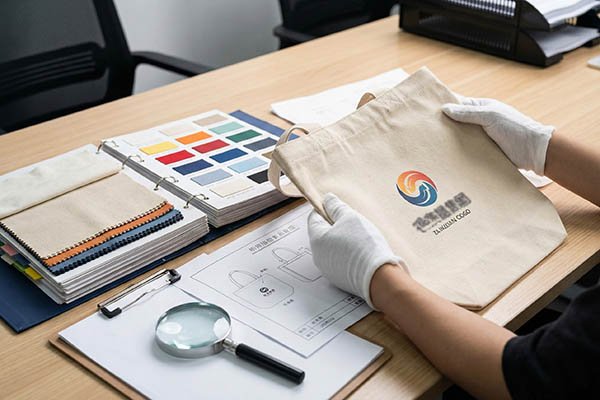
Navigating the sourcing process in China is straightforward when approached methodically. The first phase is detailed communication. Professional suppliers require specific design files (usually AI or PDF formats) and clear specifications regarding dimensions, materials, and printing techniques. This clarity allows for accurate quoting. Experienced buyers often opt for DDP (Delivered Duty Paid) terms, where the supplier handles all shipping, customs clearance, and taxes. This eliminates the complexity of logistics for the buyer, providing a clear "all-in" price per unit.
The most critical phase is the sampling stage. A "Pre-production Sample" acts as the contract for quality. It allows the buyer to physically inspect the fabric’s hand-feel, the load-bearing capacity of the handles, and the color accuracy of the logo against Pantone standards. Modifications should be made at this stage. Once the sample is approved, mass production follows strict Standard Operating Procedures (SOPs). Reputable factories implement internal Quality Assurance (QA) inspections at multiple stages—cutting, printing, sewing, and packing—to ensure the final batch matches the approved sample perfectly. This systematic workflow transforms a remote transaction into a controlled manufacturing project.
Key Takeaways for Successful Sourcing
Strategic sourcing decisions directly impact a brand’s market competitiveness and operational efficiency. Choosing the right region is about balancing immediate costs with long-term reliability.
Leveraging China’s manufacturing strengths allows companies to access premium materials and customization options that distinguish their products in a crowded marketplace. This strategy minimizes supply chain risks while maximizing product quality.

Success in the custom bag market relies on differentiation and reliability. Sourcing from China enables brands to move beyond generic products and create distinct, high-value items. The ability to access niche materials like vegan leather or high-density canvas at competitive prices allows for higher profit margins. Moreover, the advanced printing capabilities available in China mean that intricate, multi-color designs can be executed with precision, helping brands establish a strong visual identity.
To maximize success, procurement managers should focus on three pillars:
- Leverage Integration: Utilize the supplier’s access to the local material market to find unique fabrics that competitors lack.
- Enforce Quality Standards: Treat the sample approval process as a binding agreement and require photos or videos of the production line.
- Optimize Logistics: Use suppliers who offer comprehensive shipping solutions to ensure goods arrive on time for marketing campaigns.
Ultimately, choosing China is a strategic decision to partner with a mature industrial base. It offers the scalability to grow from a startup to a major retailer without the need to switch suppliers, providing a stable foundation for long-term business expansion.
Schlussfolgerung
Sourcing custom bags from China offers the optimal combination of cost efficiency, manufacturing maturity, and design flexibility, providing a solid foundation for business scalability.
Häufig gestellte Fragen
Q: How do I protect my unique bag designs from being copied when manufacturing in China?
A: Professional manufacturers are willing to sign a Non-Disclosure Agreement (NDA) before viewing your designs. It is also advisable to register your trademark in China if you plan to sell globally, as this provides legal recourse. Most reputable export-focused factories prioritize long-term relationships over short-term theft.
Q: What are the typical payment terms for a custom bag order?
A: The industry standard for B2B transactions is a 30% deposit to start production (purchasing materials) and the remaining 70% balance paid before shipment. Established partners may offer more flexible terms, such as net 30 or net 60, after a history of successful orders.
Q: Can I request eco-friendly certifications for materials like organic cotton or rPET?
A: Yes, reliable suppliers can provide certifications such as GRS (Global Recycled Standard) for recycled plastics or GOTS (Global Organic Textile Standard) for organic cotton. Always request these certificates during the sampling phase to ensure the materials meet your market’s compliance standards.
Q: How much does a custom sample usually cost, and is it refundable?
A: Sample costs typically range from $50 to $150 depending on the complexity and mold requirements. Most factories will refund this sample fee once a bulk order (meeting the MOQ) is placed, effectively making the sampling process free for serious buyers.
Q: What is the difference between sea freight and air freight in terms of cost and time?
A: Air freight is fast (5–10 days) but expensive, suitable for urgent samples or high-value, lightweight orders. Sea freight is significantly cheaper but takes longer (30–45 days to the US or EU). Most brands use sea freight for bulk stock and air freight for emergency replenishment.
Q: Do Chinese factories also handle retail packaging like hangtags and polybags?
A: Yes, this is a standard service. You can send your design files for hangtags, inner labels, and custom printed polybags. The factory will source these from local accessory suppliers and pack your bags so they are shelf-ready upon arrival.
Q: What file formats should I provide for my logo and bag design?
A: To ensure the print is sharp and accurate, always provide vector files such as AI (Adobe Illustrator), PDF, or EPS. High-resolution PNGs or JPEGs are often insufficient for screen printing or heat transfer as they pixelate when resized.
Q: If I find defective bags after the shipment arrives, what is the standard recourse?
A: A standard manufacturing agreement should include a clause for defects. typically, if the defect rate exceeds an agreed percentage (e.g., 2%), the manufacturer should offer a refund, a credit for the next order, or free replacements for the defective units.
Q: Can I hire a third-party inspection company to check the goods before they leave the factory?
A: Absolutely. Many buyers hire agencies like SGS, Intertek, or freelance inspectors to visit the factory and perform a "Final Random Inspection" before paying the final balance. A confident supplier will welcome this inspection.
Q: What happens if there is a power outage or a holiday like Chinese New Year during my production?
A: Chinese New Year (CNY) usually shuts down production for 3–4 weeks in January or February. It is crucial to plan your inventory 2–3 months in advance of CNY. For unexpected delays, professional suppliers usually have contingency plans or will pay for expedited shipping to make up for lost time.

 English
  Deutsch
  Español
  Português
  Русский
  العربية
  Français
  Italiano
  日本語
日本語  한국어
한국어  Dansk
Dansk