Zum Inhalt springen

Staying informed about the custom reusable bag market is hard work. You might miss a new material regulation or a price shift if you do not pay attention. This lack of information leads to compliance risks and lost profit margins for your business.
Successful buyers use a mix of trade shows, data tools, and supplier talks to track the market. They do not rely on just one source. You need to combine offline events with online data to make the best sourcing decisions. Manufacturers like us often provide the most direct insights into costs and feasibility.

Finding the right information channels takes time and effort. You need to know exactly where to look to save time.
HOW do trade shows reveal Custom Reusable Bag trends?
You cannot feel the texture of a bag through a computer screen. Images often hide poor quality or cheap materials. You need to see the products in person to judge them correctly.
Trade shows allow you to touch new fabrics and see printing quality with your own eyes. You can compare different suppliers side-by-side in one day. This physical experience helps you spot design shifts and competitor strategies quickly.
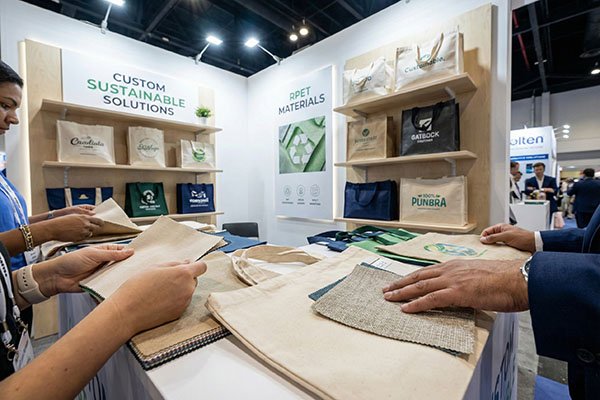
Attending global or regional trade shows is a powerful way to gather intelligence. Large events like the Canton Fair1 or specialized packaging expos in the US and Europe showcase the newest products. You will see thousands of bag styles in one location. This gives you a clear picture of what is popular right now. You can see if competitors are moving towards canvas, Tyvek, or rPET materials.
You can also talk to many suppliers face-to-face. These conversations reveal more than an email ever could. You can ask about their production capacity and their minimum order quantities directly. You can also see who is investing in better booths and new designs. This shows you which suppliers are stable and growing.
Workshops at these events are also very valuable. Experts speak about future regulations and design theories. You can learn about coming changes in the industry before they happen. This helps you prepare your inventory and marketing plans early. You get a chance to network with other buyers. You can share pain points and solutions with peers who face the same problems.
| Nutzen Sie | Beschreibung |
|---|---|
| Tactile Experience | Feel the weight, texture, and finish of materials like cotton or non-woven fabric. |
| Competitor Analysis | Observe what other brands are buying and displaying at the event. |
| Direct Communication | Solve complex questions about customization and lead times immediately. |
| Industry Education | Learn about new eco-regulations and manufacturing tech in seminars. |
WHERE to find reliable Custom Reusable Bag market data?
Basing your orders on a "feeling" is a quick way to lose money. You need hard numbers to back up your decisions. Without data, you are just guessing.
You can find reliable data on platforms like Statista and IBISWorld. These sites offer reports on market size and growth rates. You can also use B2B platforms to check the activity levels of different suppliers.

Data helps you validate your ideas. If you think rPET bags are becoming popular, you can check the import data. You can see if the volume of these bags is increasing in your region. Paid reports from research firms give you a deep look into the industry. They break down the market by material type, region, and end-user. This tells you where the growth is happening.
B2B platforms2 are also great tools for data. You can look at the transaction history of suppliers. You can see which products are getting the most inquiries. This real-time data shows you current demand. You do not have to wait for an annual report. You can see what other buyers are searching for right now.
Industry associations are another good source. Groups focused on packaging or retail often publish free summaries. They track government policies and consumer habits. They tell you about new bans on single-use plastics. This information is crucial for compliance. You do not want to import bags that are illegal in your target market.
| Data Source | Type of Information |
|---|---|
| Paid Reports | detailed market size, CAGR, and future forecasts by material. |
| B2B Platforms | Supplier activity, popular search terms, and transaction volumes. |
| Government Data | Import/export statistics and customs records. |
| Industry Associations | Policy updates, plastic bans, and sustainability standards. |
WHAT insights can manufacturers offer buyers?
Many buyers treat suppliers only as factories. This is a mistake that limits your knowledge. Your supplier sees things you do not see.
Manufacturers provide direct info on raw material costs and production limits. We monitor the supply chain every single day. We can warn you about price hikes or delays before they affect your order.
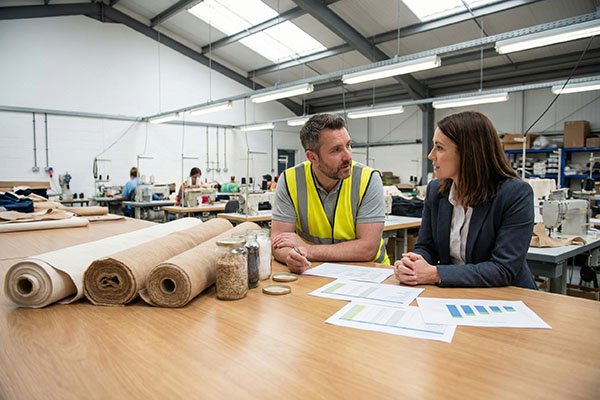
Your manufacturer is your partner in the supply chain. We buy raw materials like cotton and polyester in huge volumes. We know when the prices of these commodities go up. If cotton futures rise, we can tell you to place your order early. This saves you money. We also know about new production technologies. We can tell you if a new printing method is cheaper or faster.
You can judge a supplier’s quality by how much they know. A good supplier shares market trends with you. We might tell you that many US clients are switching to washable paper bags. This gives you a hint about market direction. We see what big brands are developing months before the products hit the shelves.
We can also help you with feasibility. You might have a great design idea. But we can tell you if it is too expensive to mass-produce. We can suggest small changes to lower the cost. For example, changing a handle stitching method might save production time. This collaboration leads to better products. Reliable suppliers want you to succeed because your success is our success.
| Insight Type | Value to Buyer |
|---|---|
| Material Costs | Alerts on fluctuations in cotton or oil prices (for plastics). |
| Production Tech | Updates on new printing or sewing automation that saves money. |
| Design Feasibility | Feedback on how to make a design manufacturable and cost-effective. |
| Market Validation | Confirmation of what materials other regions are currently ordering. |
HOW do Google search and B2B platforms help sourcing?
The internet is huge and full of noise. You can waste hours looking for the right bag supplier. You need a strategy to filter the results.
Use specific keywords and set up alerts to save time. Follow industry leaders on social media. This keeps a steady stream of relevant info coming to you.

You need to use specific search terms. Do not just search for "bags." Search for "wholesale organic cotton tote OEM." The more specific you are, the better your results. You can also use Google Alerts. You can set it to email you whenever news comes out about "plastic bag bans" or "reusable packaging trends." This automates your research.
Social media is also a strong tool for B2B. LinkedIn is full of professionals sharing their views. You can follow packaging experts and industry groups. They post about new materials and logistics challenges. You can see real discussions between industry insiders. This is often faster than waiting for a formal news article.
You can also look at Instagram or Pinterest for design trends. Even though these are consumer apps, they show you what people like. You can see color trends and popular patterns. If you see a certain style of tote bag trending with influencers, it might be time to source it. B2B platforms also have forums and blogs. These are good places to read about supplier verification and fraud prevention.
| Platform | Bester Anwendungsfall |
|---|---|
| Google Search | Finding specific suppliers and technical articles using long-tail keywords. |
| Google Alerts | Automating news delivery for regulations and industry keywords. |
| Networking and reading thought leadership from industry experts. | |
| Social Media | Visual trend spotting for colors, shapes, and consumer preferences. |
WHY do sustainability trends matter in Custom Reusable Bags?
Sustainability is no longer optional for bag buyers. Governments are passing strict laws against waste. Customers demand eco-friendly products.
Eco-trends dictate your material choices and your design specs. You must understand terms like rPET and GRS. Ignoring this puts your brand at risk of being obsolete or fined.

Regulations are changing fast. Places like the EU and California have strict rules on bag thickness and recycled content. You need to know these rules to clear customs. If your bag does not meet the standards, you cannot sell it. This makes sustainability a core part of procurement. You are not just buying a bag; you are buying compliance.
This trend creates new opportunities. There is high demand for Recycled PET (rPET) bags made from plastic bottles. There is also demand for biodegradable options. If you source these materials early, you gain a competitive edge. You can market your brand as a leader in green solutions. This appeals to modern consumers who care about the planet.
You can optimize your supply chain by following these trends. You might switch from virgin plastic to recycled materials. This might seem expensive at first. But it protects you from future plastic taxes. It also builds loyalty with your customers. You need to ask your suppliers for certifications like GRS (Global Recycled Standard). This proves your claims are true.
| Trend Factor | Impact on Sourcing |
|---|---|
| Legislation | Bans on single-use plastics force a shift to durable, reusable materials. |
| Consumer Demand | Shoppers prefer brands that use transparent, eco-friendly packaging. |
| Material Innovation | New options like rPET and Tyvek offer durability with a lower carbon footprint. |
| Zertifizierungen | Buyers must verify claims using standards like GRS or Oeko-Tex. |
Schlussfolgerung
You need a multi-channel approach to stay ahead. Combine trade show visits, data analysis, and deep conversations with your manufacturer. This strategy ensures you buy the right bags at the right time.
Häufig gestellte Fragen
Q: What specific documents should I request to verify a supplier found on Google?
A: You should ask for their Business License, Export License, and ISO 9001 certification. For ethical compliance, request a BSIC or SMETA audit report. If they claim to be a manufacturer, they should easily provide photos or videos of their factory floor with their company name visible.
Q: What is the best file format to send for logo printing to ensure high quality?
A: Always provide vector files, such as AI (Adobe Illustrator), PDF, or EPS formats. These allow us to scale your logo to any size without losing clarity. JPG or PNG files often result in blurry or pixelated prints on fabric.
Q: How do I choose between screen printing and digital printing for my bags?
A: Choose screen printing for simple designs with 1-3 solid colors; it is more cost-effective for large orders and very durable. Choose digital printing (heat transfer) for complex, multi-colored artwork or photos, although it may have a slightly different texture on the bag.
Q: What is the standard difference between "Cotton" and "Canvas" materials?
A: The main difference is the weight or thickness, measured in ounces or GSM. Generally, fabric under 6oz (approx. 200gsm) is considered standard cotton, suitable for light trade show bags. Fabric above 8oz or 10oz is considered canvas, which is thicker, more durable, and perceived as higher quality.
Q: Does rPET (recycled plastic) material feel different from regular polyester?
A: High-quality rPET fabric feels almost identical to virgin polyester. It is durable, washable, and holds color well. Some buyers actually prefer it because the slight texture difference tells the consumer that the material is recycled and eco-friendly.
Q: What is the typical lead time for a custom sample before mass production begins?
A: For a custom sample with your specific logo and size, it usually takes 5 to 7 days. This includes setting up the printing plates and sourcing the specific fabric color. Mass production typically starts only after you approve this physical sample.
Q: How can I protect my specific bag design from being copied by other buyers?
A: You should sign a Non-Disclosure Agreement (NDA) with your manufacturer before sharing detailed design files. Additionally, you can request that your manufacturer does not display your custom bag on their website or at trade shows.
Q: What are the most common Incoterms for small to medium B2B bag orders?
A: For smaller shipments or new buyers, DDP (Delivered Duty Paid) is popular because the supplier handles all shipping, customs, and taxes. For larger orders where you want control over freight costs, FOB (Free on Board) is the industry standard.
Q: Can I mix different artwork designs in a single Minimum Order Quantity (MOQ)?
A: Usually, the MOQ is per design because setting up printing screens costs money and time. However, if the bag size and material color are the same, some manufacturers may allow you to split the order into two designs for a small additional set-up fee.
Q: What is GRS certification and why do I need it for recycled bags?
A: GRS stands for Global Recycled Standard. It traces the recycled material from the source to the final product. Having a GRS certificate (TC) for your specific order is the only way to legally and ethically prove to your customers that your bags are truly made from recycled materials.


 English
  Deutsch
  Español
  Português
  Русский
  العربية
  Français
  Italiano
  日本語
日本語  한국어
한국어  Dansk
Dansk