Zum Inhalt springen

Trade shows are essential for B2B growth, yet they often generate significant waste that modern companies want to avoid. You want your brand to stand out on the exhibition floor, but you also need to align with sustainability goals.
RPET bags are replacing traditional options because they offer a clear "bottle-to-bag" story, superior durability, and extended brand visibility. Unlike disposable plastic, these eco friendly trade show bags provide a premium feel that attendees actually keep, maximizing ROI for exhibitors.
Many exhibitors hesitate because sustainable options might seem more expensive upfront compared to cheap plastic or basic non-woven bags. However, when you look at the total value and the lifespan of the product, the shift towards recycled materials is actually a strategic move for long-term marketing.
Why Are Trade Show Giveaway Bags Still Effective for Brand Promotion?
Digital marketing is powerful, yet physical presence at events remains crucial for building B2B relationships and trust.
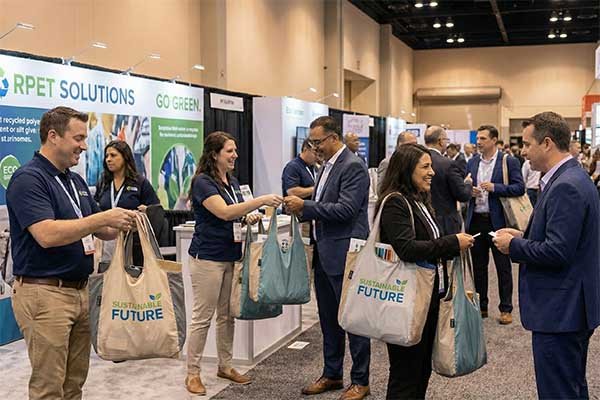
Trade show giveaway bags serve a practical purpose right on the floor: carrying catalogs and samples. Unlike small items like pens, bags travel with the attendee, creating a walking billboard that offers high-density exposure throughout the event hall.

Trade shows provide a unique environment where high-density exposure happens in a short time. In this setting, trade show giveaway bags are not just gifts; they are functional tools. Attendees collect heavy catalogs, product samples, and other swag from various booths. Without a sturdy bag, this experience becomes frustrating. When you provide a reliable bag, you solve an immediate problem for your potential customer.
Furthermore, a bag offers visibility that other promotional items cannot match. A pen sits in a pocket, and a USB drive gets lost in a drawer. A bag, however, is carried on the shoulder at eye level. It acts as a mobile advertisement for your brand as the attendee walks from booth to booth. This natural exposure reinforces your brand presence without requiring aggressive sales tactics. By using promotional bags for events, you ensure your logo is seen thousands of times a day, creating a subconscious familiarity among other visitors.
What Problems Do Traditional Giveaway Bags Create for Exhibitors?
You hand out thousands of bags, but have you considered where they end up immediately after the show closes?
Traditional plastic giveaway bags and thin non-woven options often fail due to poor durability and negative environmental perception. They rip under the weight of catalogs, leading to frustration, and are frequently discarded immediately, creating a disconnect between the brand and modern sustainability goals.
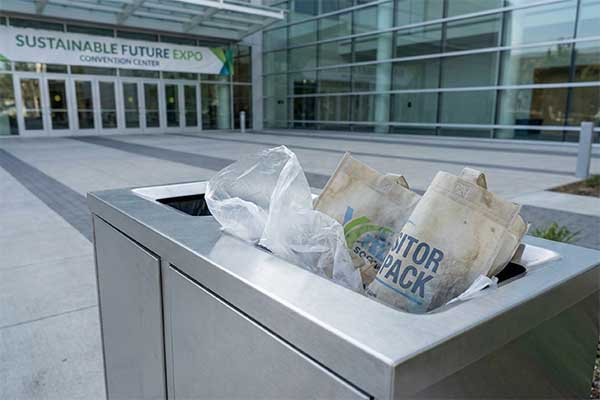
The primary motivation to switch materials often comes from the failures of traditional options. For years, exhibitors relied on disposable promotional bags made of single-use plastic or extremely thin non-woven fabric. These materials present two major problems. First, they lack physical strength. If a potential client puts a heavy catalog or a water bottle in a cheap bag, the handle often breaks. This creates a negative association with your brand quality. If your bag cannot hold a few items, customers might subconsciously doubt if your company can handle their business needs.
Second, there are serious sustainability concerns in events. Modern attendees are increasingly eco-conscious. Handing out a plastic bag that will end up in the hotel trash bin within hours creates a bad image. It signals wastefulness rather than value. Many international trade shows are also implementing stricter regulations on single-use plastics1. Sticking to old, cheap materials limits your brand’s appeal and can even violate new event standards. Brands need a solution that avoids the "trash" label and offers genuine utility.
Why Are RPET Bags Considered a More Sustainable Trade Show Option?
Sustainability is no longer just a buzzword; it is a hard requirement for modern corporate procurement and marketing strategies.
RPET bags stand out because they are made from recycled plastic bottles, diverting waste from landfills. This material offers a balanced solution: it is stronger than standard non-woven fabric and provides a verifiable eco-story that brands can proudly share with environmentally conscious attendees.
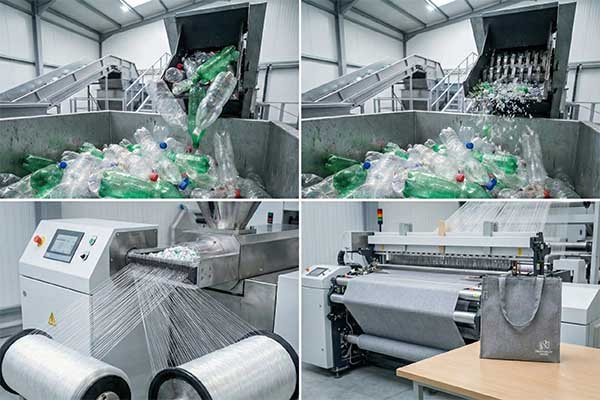
The core advantage of RPET bags lies in their origin. RPET stands for Recycled Polyethylene Terephthalate. Manufacturers take used plastic water bottles, clean them, and process them into pellets, which are then spun into fabric. This process gives a second life to plastic that would otherwise pollute oceans or landfills. For a brand, this is a powerful story. You can tell your customer, "This bag used to be five plastic bottles." This narrative is simple, impactful, and easy to spread.
Beyond the environmental story, RPET offers a balance of performance and cost. While recycled material bags might have a slightly higher unit cost than disposable plastic, they are far more durable. They mimic the texture of canvas or high-quality polyester but maintain a lightweight profile. They do not tear easily. From a business perspective, RPET is not always the cheapest option on the market, but it is the most secure choice. It protects your brand reputation by ensuring quality while ticking the box for environmental responsibility. It satisfies the "green" requirement without breaking the marketing budget.
How Do RPET Giveaway Bags Extend Brand Exposure After Events?
The real value of a promotional item is determined by how long it stays in the customer’s hands after the event ends.
Reusable giveaway bags made from RPET extend brand exposure well beyond the exhibition hall. Because they are durable and often designed to be foldable, attendees use them for grocery shopping or travel, turning a one-time event cost into a long-term advertising asset.

The goal of sustainable promotional bags is to remain useful in daily life. This is where design meets durability. A key insight for maximizing value is the use of foldable designs. If an RPET bag can fold into a small pouch, it takes up no space in a handbag or car console. Attendees are much more likely to keep a bag that is compact and convenient. When they go to the supermarket or pack for a trip, they pull out your bag. It opens up to reveal a large capacity and strong material capable of holding heavy groceries.
This creates a logic of "multiple natural appearances" rather than one-time strong exposure. You are not just paying for visibility at the trade show; you are paying for visibility in supermarkets, on subways, and in parks. To achieve this, the design should be aesthetic. If the logo is too large or aggressive, people might hesitate to use it personally. However, with a subtle, well-placed logo and durable fabric, branded reusable bags become daily essentials. They stop being "ads" and start being "useful products." This shift significantly lowers the cost-per-impression over the bag’s lifecycle.
What Should Brands Consider When Choosing RPET Bags for Trade Shows?
Selecting the right bag involves more than just picking a color; it requires attention to functional details to ensure the investment pays off.
When sourcing custom RPET bags, brands should evaluate fabric weight for durability and choose styles like totes or drawstring bags based on utility. Factors like printing methods, logo placement, and low MOQ reusable bags availability are critical for balancing budget with impact.
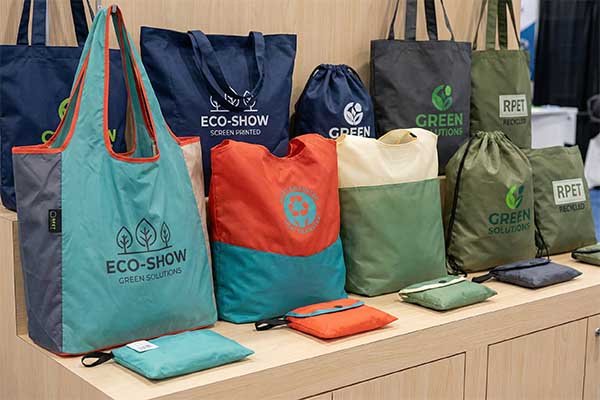
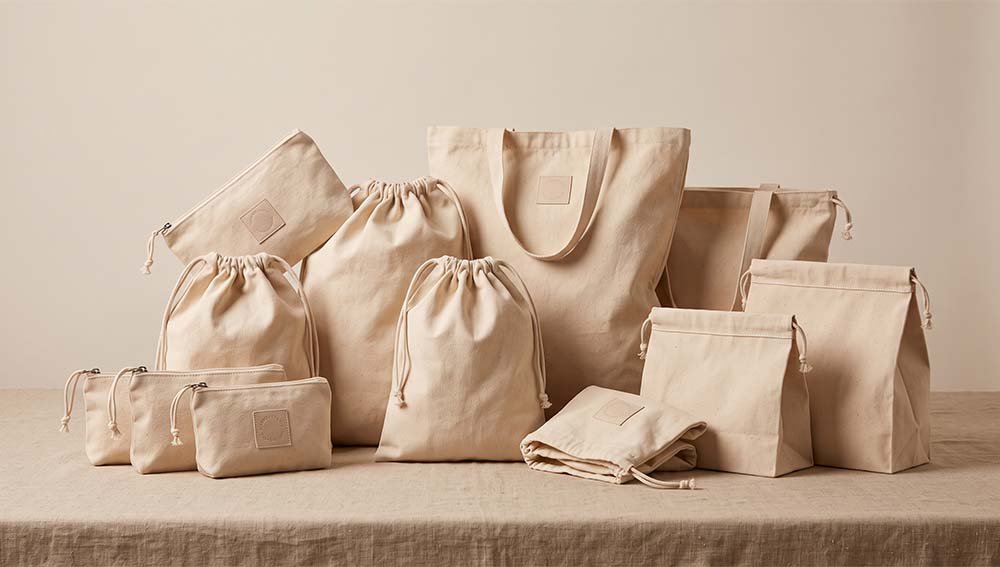
To make the best decision, you need a checklist. First, consider the bag style. Totes are excellent for documents, while drawstring bags are great for younger demographics or active events. Second, look at fabric weight. For a trade show where people carry heavy books, you need a material that feels substantial, not flimsy. Third, consider the printing options. Custom event bags need clear logos. RPET fabric has a smooth surface that accepts heat transfer or silk screen printing very well, ensuring your logo looks sharp and premium.
Finally, think about your inventory strategy. Many brands worry about High Minimum Order Quantities (MOQ). However, flexible suppliers now offer reasonable MOQs, allowing you to test the waters. You should also consider if the design can be used for multiple events. If you remove the specific date or city from the print, you can use the leftover bags for future marketing activities. This approach transforms the bag from a one-off expense into a long-term stock item. By focusing on quality and versatility, you ensure the bag serves your business goals effectively.
Schlussfolgerung
RPET bags are replacing traditional options because they combine durability with a compelling eco-story. They transform a disposable cost into a long-term marketing investment that customers actually value and reuse.
Frequently Asked Questions About RPET Trade Show Bags
Q: How can I verify that the RPET bags are genuinely made from recycled plastic bottles?
A: Legitimate suppliers should provide GRS (Global Recycled Standard) certification. This certificate tracks the recycled material through the supply chain, ensuring that the fabric is truly derived from post-consumer plastic bottles rather than virgin polyester.
Q: What is the typical weight capacity of a standard RPET trade show tote?
A: A high-quality RPET bag is surprisingly strong. Depending on the fabric density (GSM) and handle stitching (specifically X-stitching reinforcement), a standard tote can typically comfortably carry 10kg to 15kg, making it perfect for heavy catalogs and samples.
Q: Does RPET fabric feel like plastic or crinkle like cheap material?
A: No. Modern processing techniques allow RPET fibers to be woven to mimic the texture of traditional fabrics. It can be made to feel smooth like silk, sturdy like canvas, or textured like Oxford cloth, avoiding the "cheap plastic" feel entirely.
Q: Can I print full-color photographs or complex gradients on RPET bags?
A: Yes. Unlike basic non-woven bags that are often limited to simple spot colors, RPET fabric is excellent for heat transfer printing or sublimation. This allows for photographic quality, complex gradients, and vibrant designs that cover the entire surface of the bag.
Q: Are RPET bags washable, or will the logo fade after cleaning?
A: RPET bags are washable and water-resistant. Because the material is essentially polyester, it handles moisture well. If high-quality printing methods are used, the bags can be hand-washed or machine-washed on a gentle cycle without the logo peeling or fading, ensuring long-term hygiene for the user.
Q: What is the recommended fabric thickness (GSM) for a trade show bag?
A: For a balance between cost and quality, we recommend between 100gsm and 140gsm. 100gsm is lightweight and cost-effective for high-volume giveaways, while 140gsm offers a premium, canvas-like feel that implies a higher value gift.
Q: How does the production lead time of RPET compare to regular non-woven bags?
A: The lead time is very similar. Once the fabric is in stock, production usually takes 15–25 days depending on the quantity. However, because RPET is a specific material, we always recommend allowing an extra week for material procurement if you require a specific Pantone color match for the fabric itself.
Q: Can RPET bags be recycled again at the end of their life?
A: Yes. Since RPET is made from polyester (PET), it is 100% recyclable. At the end of its long life cycle, the bag can be processed through textile recycling facilities, continuing the circular economy loop.
Q: Is there a significant difference in shipping costs between canvas bags and RPET bags?
A: Yes, RPET is generally lighter than heavy cotton canvas. This means that for international air freight or express shipping, RPET bags can offer savings on shipping costs due to lower gross weight, while still providing similar durability and volume.
Q: Can I customize the bag with additional features like zippers or pockets?
A: Absolutely. Because RPET is a cut-and-sew fabric (unlike heat-sealed non-woven), it is fully customizable. You can add inner pockets for phones, zippers for security, or adjustable shoulder straps to increase the utility and perceived value of the giveaway.
-
Exploring regulations on single-use plastics can guide your event planning to comply with standards and promote sustainability. ↩



 English
  Deutsch
  Español
  Português
  Русский
  العربية
  Français
  Italiano
  日本語
日本語  한국어
한국어  Dansk
Dansk