Saltar al contenido

Are you worried about buying too much inventory for your new brand? You want professional packaging, but buying thousands of bags at once feels like a huge risk for your budget and storage space.
Low-MOQ (Minimum Order Quantity) custom bags allow small businesses to order 100 to 500 units instead of thousands. This approach protects your cash flow, lets you test the market with new designs, and helps you build a strong brand image without the heavy burden of excess stock.
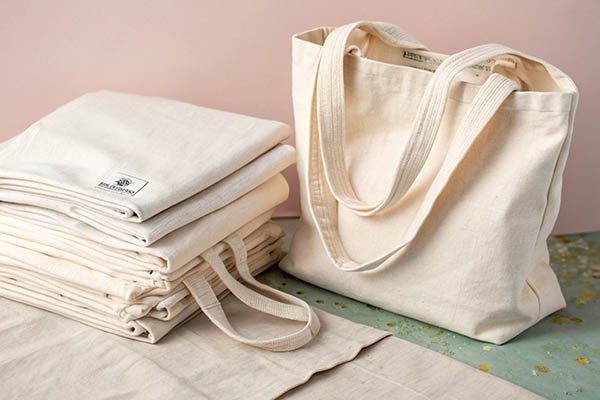
Many small business owners think they must choose between cheap, plain bags or expensive, huge custom orders, but there is a better middle ground that helps you grow safely.
What Makes Low-MOQ Packaging a Better Choice for Small Brands?
Starting a brand is hard work, and you should not have to spend all your money on boxes and bags right away.
Low-MOQ packaging is the best choice for small brands because it lowers your initial cost while still giving you a professional look. You can compete with big companies by having a unique brand style from day one.
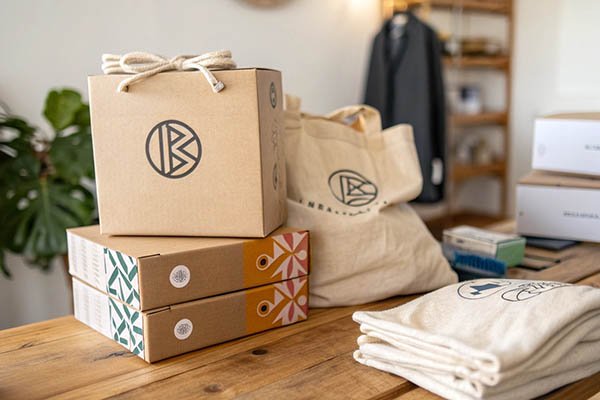
For a long time, only big companies could afford custom packaging. They had the money to buy 10,000 bags at a time. But things have changed. Now, small brands and startups can get that same professional look with much smaller orders. When you are just starting, your image is everything. You want your customers to trust you. A plain, boring bag does not tell a story. A custom bag with your logo and colors tells the customer that you are serious and professional.
This is very important for building a brand identity. If you use generic packaging, you look like everyone else. But with low-MOQ options, you can create a design that matches your values. Maybe you want a specific color that matches your logo, or a slogan that makes people smile. Doing this in small batches means you do not have to wait until you are a giant corporation to look like a leader. You can impress your first 100 customers just as much as your millionth customer. This builds loyalty right from the start.
How Can Small-Batch Orders Reduce Risk for Startups?
Every new business faces the danger of buying products that do not sell, which traps your money in a warehouse.
Small-batch orders reduce risk by allowing you to buy only what you need for the immediate future. This keeps your storage costs low and prevents the problem of "deadstock," where unsold items sit around and lose value.
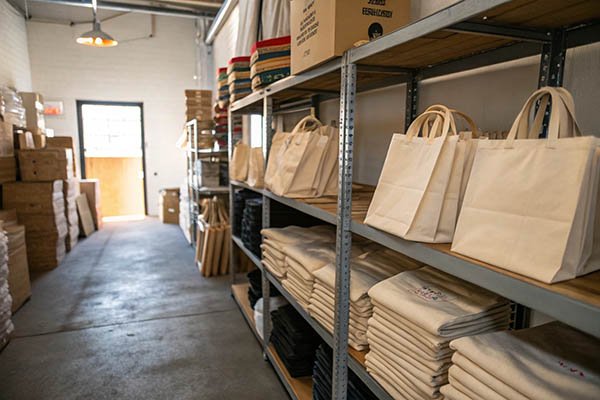
Risk management is the key to survival for any startup. When you order a huge amount of packaging to get a lower price per unit, you take a big gamble. You are betting that your product will sell exactly as you planned. But the market changes fast. Maybe your customers prefer a different size next month. Maybe your logo changes after the first year. If you have 5,000 old bags in your garage, that is money you cannot get back.
Ordering in small batches1 protects you from this. You can order enough for a few months. If sales are slow, you are not hurt too badly. If sales are fast, you can order more. This flexibility also lets you test the market. You can try a special design for a holiday or a specific season. If it works, great. If it does not, you only have a few leftovers, not thousands. This allows you to pivot and change your strategy quickly. You can act like a modern, agile business rather than a slow, heavy one. It keeps your operation lean and your mind at peace.
What Bag Materials Work Best for a Small Order?
Choosing the right material is difficult when you have so many options and a limited budget.
The best materials for small orders balance quality, cost, and brand values. Cotton and canvas are great for a premium feel, while RPET and non-woven options suit eco-friendly or budget-conscious brands.
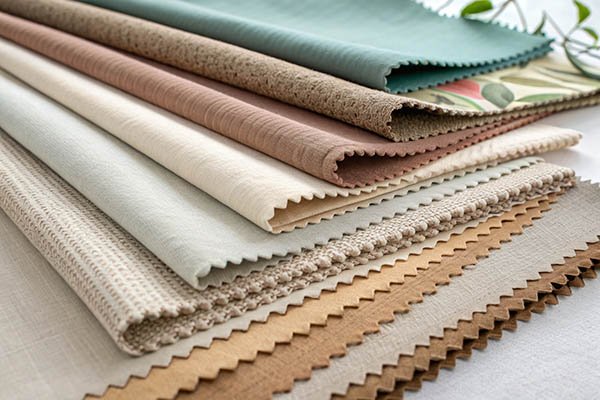
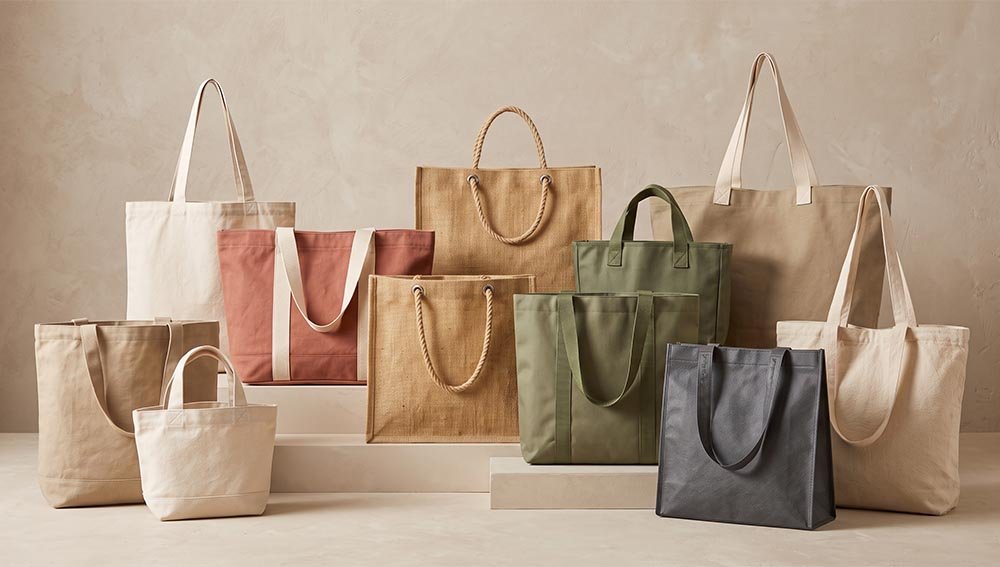
When you order between 100 and 500 pieces, you are not just looking for the cheapest option. You are looking for the right fit for your brand story. Different materials send different messages to your customers. Here is a simple breakdown of common choices for small batches:
| Material | Best Use Case | Why choose for Low MOQ? |
|---|---|---|
| Cotton / Canvas | Retail stores, gift shops, premium brands. | High durability and perceived value. It feels like a gift, not just packaging. Great for resale. |
| RPET / JUTE | Eco-conscious brands, sustainable startups. | Shows your commitment to the planet. Ideally suits brands with a "green" story. |
| No tejido | Events, trade shows, tight budgets. | Very cost-effective. Good for high volume giveaways even within a small total order. |
You do not need to pick the most expensive fabric to make an impact. You just need to pick the one that fits your customer. For a jewelry brand, a small canvas pouch adds luxury. For a grocery delivery startup, a sturdy non-woven tote is practical. The goal of small-batch customization is flexibility. You can even mix and match materials over time to see what your customers like best.
How Does MOQ Influence Your Custom Bag Cost and Budget?
Many new business owners get stuck looking at the price tag of a single item, worrying that paying more per bag means they are losing money.
While the unit price is indeed higher for small orders, the total financial investment is much lower. This approach allows you to save your budget for other needs and keeps your financial risk under control, which is crucial for staying flexible.
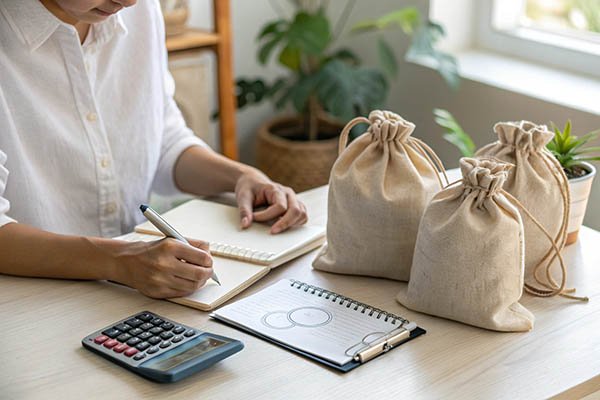
It is true that under the same customization conditions, the price per bag changes based on the quantity. When you order a large number of bags, the cost to set up the machines and prepare the materials is spread out over thousands of items, making each individual bag cheaper. This is a basic rule of manufacturing. However, for a small brand or a startup, looking only at the unit price can be misleading. You need to look at the bigger picture of your total investment.
For small businesses, small-batch customization2 is a much smarter choice because the overall input—both in terms of money and energy—is significantly smaller. Even if the single bag costs a little more, the total amount of cash leaving your bank account is far less than if you committed to a massive order. This makes your cash flow more controllable. You are not tying up your vital funds in stock that might sit there for months.
Furthermore, the real advantage of small batches lies in risk reduction. Compared to large-batch orders, the risk of small orders is minimal. You are not gambling on huge sales numbers that haven’t happened yet. By keeping your initial investment low, you maintain control over your business. You can adjust, pivot, and grow without the heavy weight of expensive inventory holding you back.
Why Should Small Businesses Choose a Flexible Supplier?
Finding a supplier who understands the needs of a small business can be very frustrating.
You need a flexible supplier who supports low-MOQ orders (100–500 pcs) and offers diverse materials. This partner helps you grow by offering fast sampling and design adjustments, which is vital for seasonal promotions and new product tests.
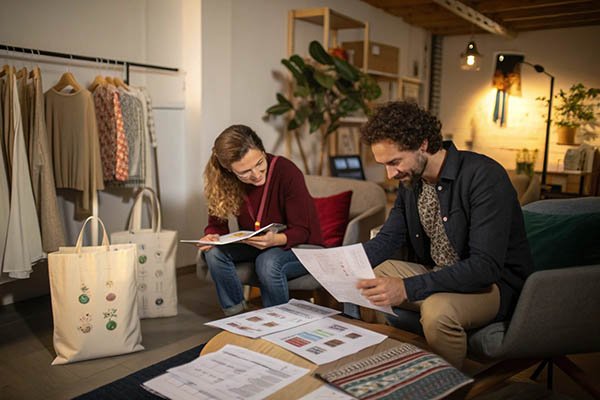
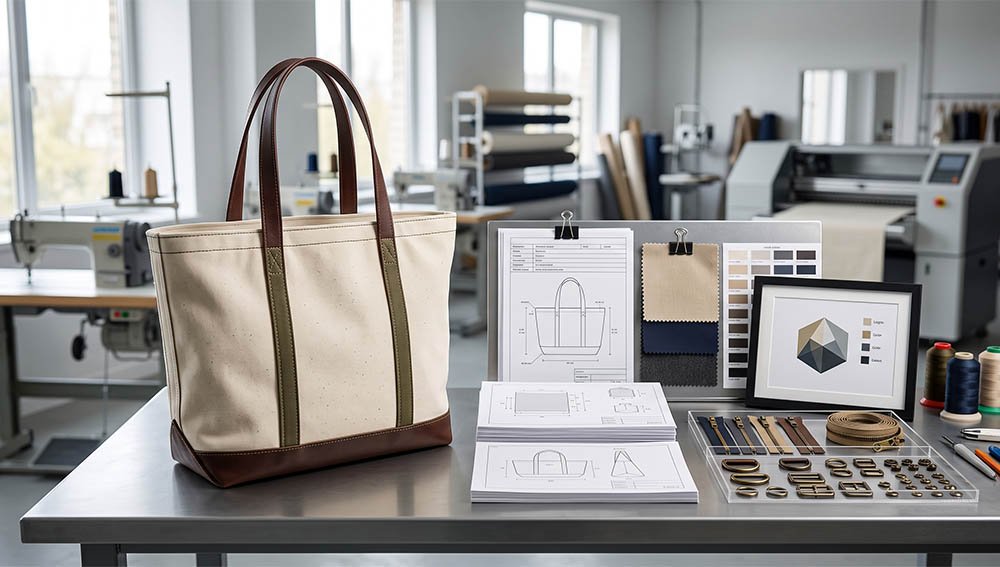
A supplier is not just a factory; they are a partner in your growth. Big factories often ignore small orders because they want the big money from giant corporations. But a flexible supplier, like Avecobaggie, understands that every big business started as a small one. We know that you need support, not just a product. A good supplier for small businesses will have a wide range of materials like cotton, Tyvek, and TPU, so you can find exactly what you need in one place.
Flexibility also means speed and adaptation. Maybe you want to launch a limited edition bag for Christmas. A flexible supplier can help you design and produce 200 pieces quickly. Maybe you want to mix two different colors in one order to see which one sells better. A rigid factory will say "no," but a flexible partner will say "let’s try it." This support lowers the barrier to entry for you. It helps you look professional without the stress. You can focus on selling your products, while your supplier worries about the production details. This relationship is a key asset for any growing brand.
Conclusión
Low-MOQ custom bags help small businesses manage risks, save upfront cash, and build a professional brand image. They allow you to start small, test ideas, and grow at your own pace.
Frequently Asked Questions
Q: What printing methods are best for small-batch custom bags?
A: For orders under 500 pieces, silk screen printing is the most common choice because it is cost-effective for simple logos with one or two colors. If your design has complex patterns or gradients, digital printing or heat transfer might be better, though the cost per bag will be slightly higher.
Q: How long does it typically take to produce 100 to 500 custom bags?
A: Production speed is a major benefit of small orders. Typically, manufacturing takes about 15 to 20 days after you approve the design. However, you should also factor in shipping time, which varies depending on whether you choose air or courier delivery.
Q: Can I see a physical sample before I commit to the full order?
A: Yes, most suppliers allow you to order a pre-production sample. There is usually a sampling fee to cover the setup costs, but many suppliers will refund this fee or deduct it from your total bill if you proceed with the full order.
Q: Do I need a professional designer to create the artwork for my bags?
A: You do not necessarily need a professional designer, but you do need high-quality files. We usually require vector files (like AI or PDF formats) to ensure the print looks sharp. If you only have a logo, our internal team can often help you with simple layout and placement.
Q: Can I mix different bag colors within a single low-MOQ order?
A: This depends on the material stock. If we have the fabrics in our warehouse, we can often allow you to split an order of 200 bags into two different colors (e.g., 100 natural and 100 black) with the same logo print, which gives you more variety for your shop.
Q: Are there extra costs I should know about besides the bag price?
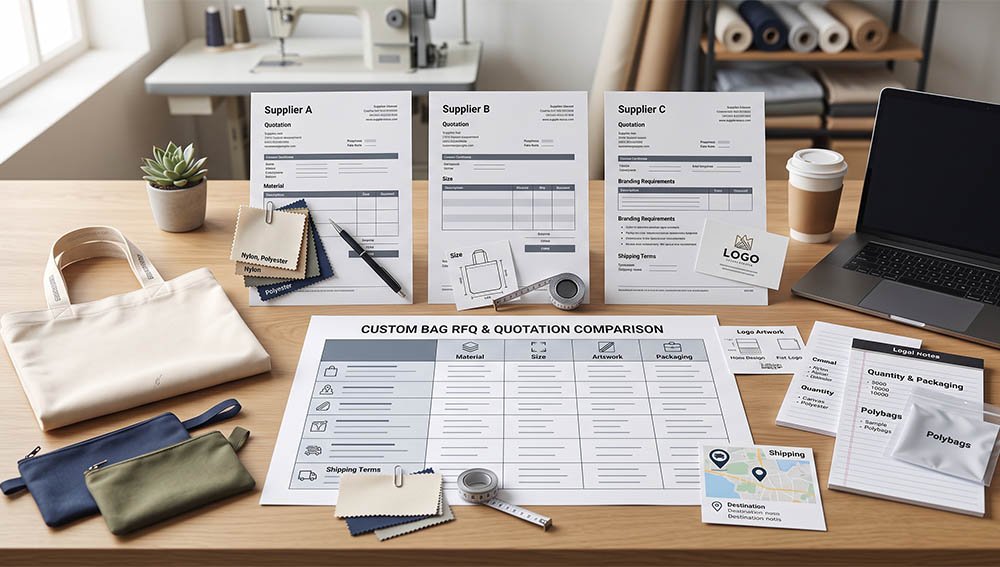
A: Yes, for custom printing, there is usually a one-time "mold" or "plate" fee to set up the printing screens. You will also need to account for shipping costs and any potential import duties, depending on your location. We provide a clear quote including these details before you pay.
Q: How durable are the materials used for these small orders?
A: Durability depends on the fabric weight. For cotton and canvas, we measure density in ounces. A 12oz canvas bag is very sturdy and can carry heavy items like books or groceries, while a 5oz or 6oz cotton bag is lighter and better suited for trade shows or light retail items.
Q: Is low-MOQ packaging really eco-friendly if I have to ship it frequently?
A: While shipping frequency matters, the biggest environmental impact often comes from waste. Low-MOQ prevents you from manufacturing thousands of bags that might never get used and end up in a landfill. Using materials like organic cotton or RPET (recycled plastic) further reduces the footprint.
Q: What happens if I need to reorder the exact same design later?
A: Reordering is very simple. Since the printing plates or molds are already made, you often do not have to pay the setup fee again if the design hasn’t changed. This effectively lowers your unit cost on the second order.
Q: Can I print on the entire surface of the bag (edge-to-edge)?
A: Edge-to-edge printing usually requires the fabric to be printed antes de the bag is sewn together. While this is possible, it is often more expensive and might have a higher minimum order quantity than 100 pieces. For the lowest MOQ, printing on a finished bag (centered logo) is the standard method.
 English
  Deutsch
  Español
  Português
  Русский
  العربية
  Français
  Italiano
  日本語
日本語  한국어
한국어  Dansk
Dansk