Saltar al contenido

Inconsistent wine bag dimensions disrupt supply chains and damage brand presentation. Poor fits lead to broken bottles and wasted budgets. This guide provides exact sizing standards to streamline your procurement.
The standard wine bag size for a 750ml bottle is about 5 × 13 inches (13 × 33 cm). This size fits most standard wine bottles. A typical wine bottle is 11.5 to 12 inches tall, so the bag requires an extra 1 to 2 inches for easy insertion.
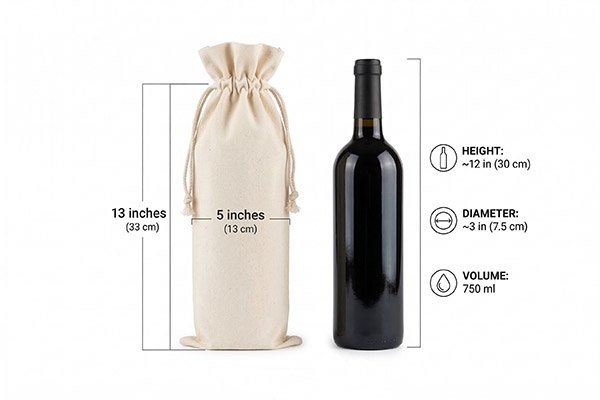
Selecting the correct dimensions protects your inventory and enhances your brand image. Read on to understand how different bottle shapes and bag styles dictate your purchasing decisions. Ignoring these structural details will inflate your packaging costs.
What Is the Standard Wine Bag Size for a 750ml Bottle?
Procurement managers often face high return rates due to incorrectly sized bags. Non-standard dimensions cause shipping damage and poor unboxing experiences. Learn the exact sizes to secure your inventory.
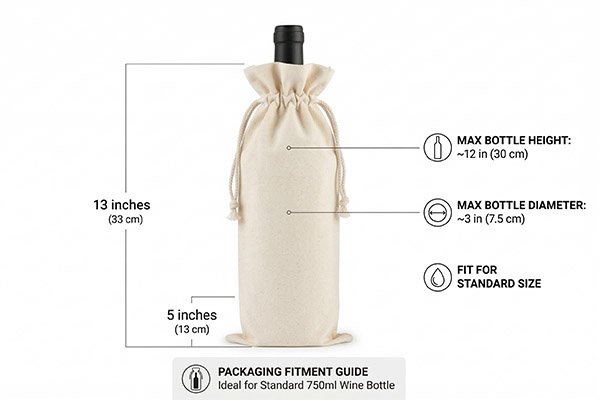
The standard size for a single 750ml wine bottle bag is 5 × 13 inches. Common single bags measure 4.5 × 13.5 inches. Premium bags sometimes measure 4.5 × 4.5 × 14.5 inches. These dimensions ensure a secure fit for wholesale wine gift bags.
Standard Wine Bag Measurements
Understanding the wine bag size for a 750ml bottle prevents costly procurement errors. The 750ml volume acts as a baseline standard across the industry. However, the physical bottle height usually ranges from 11.5 to 13 inches. The diameter generally spans 2.75 to 3.5 inches. You cannot order a bag that matches these exact glass measurements. You must factor in tolerance space.
Why Tolerance Space Matters
A commercial wine gift bag requires structural tolerance. This extra room allows retail staff to slide the bottle in quickly during peak hours. If the bag fits too tightly, friction tears the material and slows down packaging operations. You also require vertical space at the top. The extra 1 to 2 inches permit staff to tie a ribbon or close the drawstring easily.
Common Sizing Applications
Different business settings require different standard sizes. A standard single bag measuring 4.5 × 13.5 inches works perfectly for quick retail point-of-sale packing. A roomy gift bag at 5 × 13 inches suits corporate gifting needs. A tall gusset bag at 4.5 × 4.5 × 14.5 inches provides the structure needed for premium winery packaging. Purchasing wine gift bags wholesale requires strict adherence to these basic dimensions. They accommodate most standard wine bottle sizes1 reliably. This minimizes client complaints and streamlines the packaging workflow. Custom bags matching these dimensions provide the highest return on investment. Bottles are packed safely and efficiently every time.
How Do Different Wine Bottle Shapes Affect Wine Bag Size?
Wineries produce various bottle shapes that complicate standard packaging solutions. Forcing a wide bottle into a narrow bag ruins the material. Adjust your sizing strategy to accommodate specific profiles.
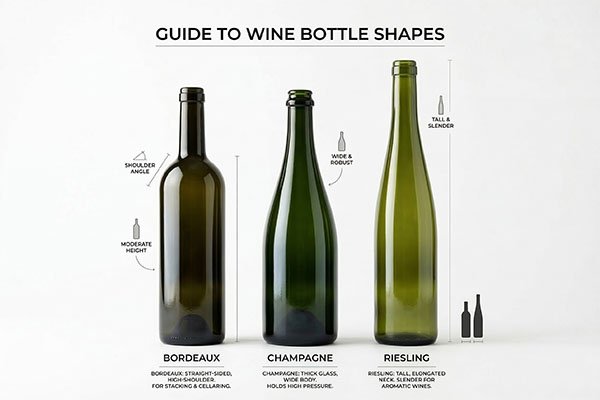
Different bottle shapes demand specific wine bag sizes. All hold 750ml, but a Champagne bottle is wider than a Bordeaux bottle. A Riesling bottle is taller and thinner. You must update your wine bottle bag size guide to match these standard wine bottle sizes.
Analyzing Common Wine Bottle Shapes
The liquid volume remains 750ml, but the glass architecture varies significantly. This physical shape directly dictates your wine bottle dimensions. A Bordeaux bottle features straight sides and high, distinct shoulders. A Burgundy bottle utilizes wider, gently sloping shoulders. A Champagne bottle requires thick, heavy glass and a wide base to contain internal pressure. A Riesling bottle features a tall, slender profile.
Comparing Dimensional Data
You must evaluate the exact height and diameter of your inventory. This data forms the foundation of a reliable wine bottle bag size guide.
| Bottle Type | Diameter | Height |
|---|---|---|
| Bordeaux | 3 inches | 11.5–12 inches |
| Burgundy | 3.2 inches | 11.5–12 inches |
| Champagne | 3.5 inches | 12–12.5 inches |
Sizing Adjustments for Production
A standard 5 × 13 inch bag easily encases a Bordeaux bottle. However, a Champagne bottle requires a wider gusset. A Riesling bottle protrudes from a standard-height bag. You must specify a taller design for thin bottles. You must engineer extra room into the pattern to prevent material stress. This tolerance makes insertion and removal smooth for the end-user. It ensures your wine gift bag dimensions serve multiple product lines. Always verify the specific bottle type before placing bulk orders.
What Dimensions Should a Wine Gift Bag Have for a 750ml Bottle?
Selecting generic bags often results in an unprofessional brand presentation. Improper dimensions expose the bottle neck or cause bottom failure. Specify structural dimensions to guarantee a premium packaging solution.
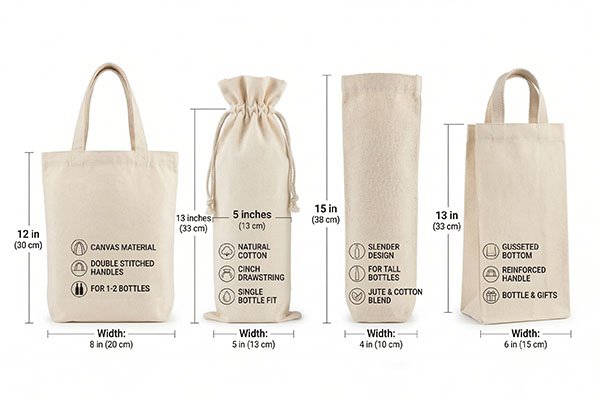
A standard single bottle wine bag requires 5 × 13 inches. A premium wine gift bag needs 5 × 14 inches. A drawstring wine pouch functions best at 6 × 14 inches. These wine bag dimensions ensure the bottle fits securely and presents professionally.
The Impact of Bag Structure
The physical construction of the bag dictates the required material dimensions. An open-top wine bag requires sufficient vertical height to cover the bottle completely. A drawstring wine bag demands extra material at the top to cinch tightly above the bottle neck. A handle wine tote needs a reinforced base and adequate height to prevent the bottle from tipping outward during transport.
Structural Size Guide
Different styles demand exact measurements to function well. A single open-top bag uses 5 × 13 inches to provide a standard retail fit. A premium gift bag needs 5 × 14 inches to offer extra vertical room for elaborate closures. A drawstring pouch requires 6 × 14 inches to allow space for the cinching mechanism. A double bottle tote needs 7 × 3.9 × 14 inches to secure two bottles safely without them hitting each other.
Accounting for Material Thickness
When purchasing wine gift bags wholesale, slightly larger dimensions must always be specified. The physical thickness of the fabric consumes interior space. If the bag includes an inner lining, the usable volume decreases further. The bottle neck must rest below the handles for comfortable carrying. An optimal wine tote bag size conceals the bottle appropriately. This engineering creates a superior unboxing experience2. It ensures the corporate client3 feels valued upon receiving the gift.
Why Do Many Businesses Choose Custom Wine Bags with Logo for 750ml Bottles?
Generic packaging fails to generate repeat business or brand loyalty. Unbranded bags represent a missed marketing opportunity. Custom bags transform basic packaging into a powerful promotional tool.
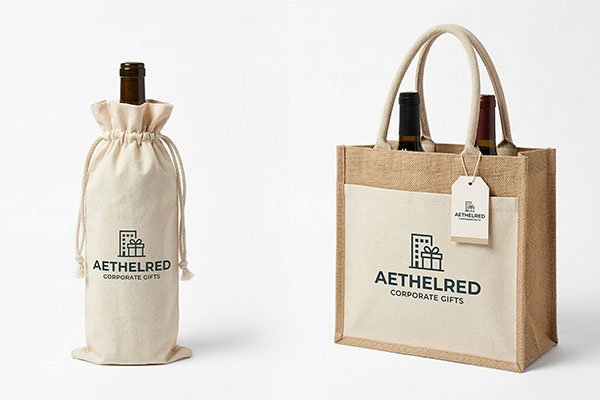
Wineries, retailers, and event organizers buy custom wine bags with logos to maximize brand exposure. Branded wine bags provide premium packaging and reusable marketing. Personalized wine bags with logos turn a corporate gift into a mobile advertisement that clients use repeatedly.
Key B2B Applications
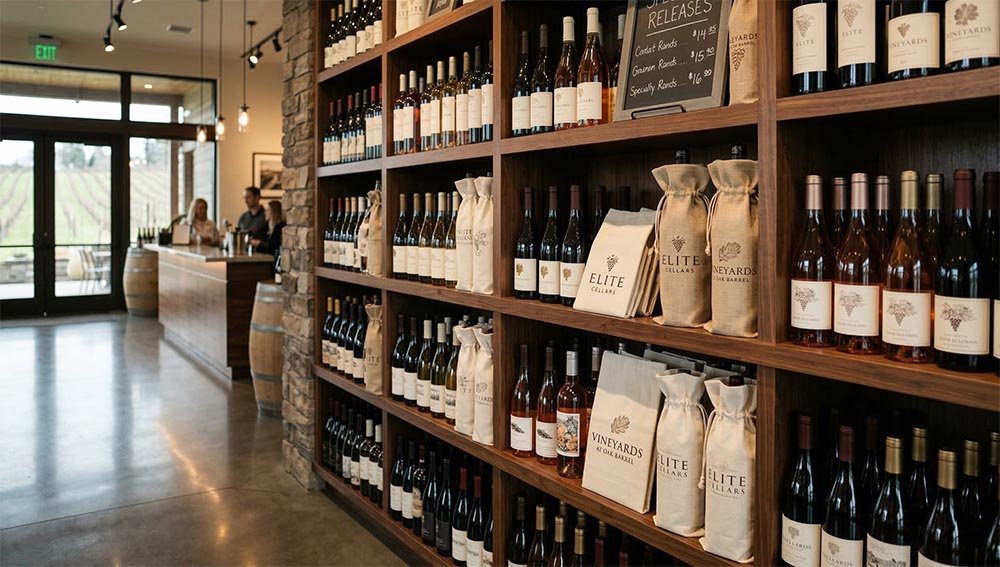
Diverse business sectors rely on customized packaging to drive growth. Wineries deploy them to elevate their brand presence in tasting rooms. This strategy establishes a high-end, retail-ready presentation. Wine retailers utilize them as premium shopping bags or for holiday promotional events. Corporate entities procure them for executive gifts during holidays or for client retention programs. Event organizers distribute them at trade shows, weddings, and high-profile brand activations.
Analyzing Business Value
Custom bags deliver measurable commercial benefits across multiple channels. Wineries use them in tasting rooms to secure premium brand positioning. Retailers launch seasonal promotions with custom bags to enhance the overall shopping experience. Corporate managers use them for executive gifting to strengthen vital client relations. Event coordinators distribute them at trade shows to secure extended mobile advertising.
Securing Long-Term Marketing ROI
Investing in branded wine bags yields long-term dividends beyond initial packaging. You secure persistent branding exposure. End-users retain these durable bags for grocery shopping or daily transport. This behavior creates powerful reusable marketing. Every public outing with your personalized wine bags with logo exposes your brand to new demographics. It represents a highly cost-effective advertising channel. You fund the packaging once and extract marketing value for years.
How Do Fabric Materials Like Cotton, Canvas, or Jute Affect Wine Bag Fit?
Lightweight materials often fail under the weight of heavy glass bottles. Material failure leads to product loss and safety risks. Selecting the correct fabric ensures structural integrity and appropriate fit.
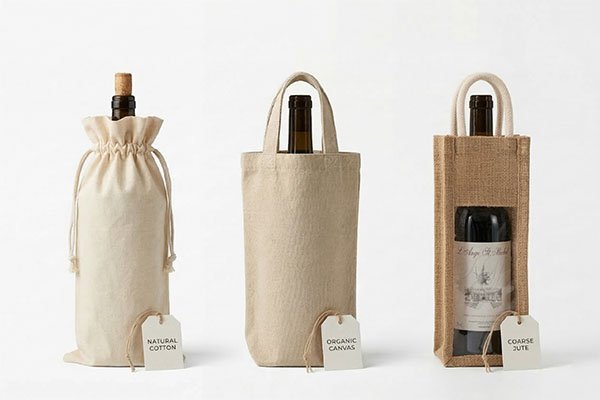
Fabric choice dictates the fit and durability of the wine bag. Cotton provides a soft, thin layer. Canvas offers thick, reliable strength. Jute delivers a textured, natural finish. Because a full 750ml bottle weighs up to 1.5 kg, eco friendly wine bags require robust materials.
Evaluating Material Strength
The fabric specification dictates the success of your packaging. A standard 750ml wine bottle possesses significant mass. It typically weighs between 1.2 and 1.5 kg. The bag material must support this dynamic load safely. Cotton wine bags offer a lightweight, flexible solution. They fold flat and suit basic gift packaging needs. Canvas wine bags feature a much denser weave. They support heavy bottles securely and project a premium aesthetic. They function perfectly as high-end promotional wine bags.
| Material | Structural Traits | Optimal B2B Application |
|---|---|---|
| Algodón | Soft, thin, flexible | Volume gift packaging |
| Lienzo | Thick, high-tensile strength | Executive promotional items |
| Yute | Coarse, durable, textured | Rustic winery retail |
| RPET | Synthetic, water-resistant | Eco-conscious campaigns |
Material Influence on Dimensions
Dense materials like canvas and jute consume internal volume. A canvas bag requires slightly larger external dimensions than a thin cotton bag to accommodate the identical bottle. Jute features a coarse texture that restricts internal sliding. RPET provides excellent tensile strength for eco friendly wine bags. Fabric wine gift bags prioritize structural safety. Reusable wine bags constructed from heavy-duty fabric protect the glass. You must align the material density with your specific retail or promotional requirements.
What Should You Consider When Choosing Wine Bags Wholesale for 750ml Bottles?
Procuring bulk packaging without clear specifications causes logistical bottlenecks. Incorrect orders waste capital and delay marketing campaigns. Follow these B2B procurement steps to secure the exact bags you need.
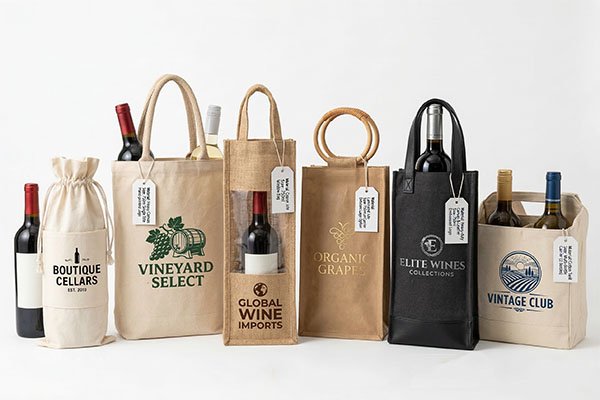
When sourcing wine bags wholesale, verify exact bottle dimensions first. Specify the bag structure, including drawstrings or handles. Evaluate fabric thickness to guarantee load capacity. Define the printing area for optimal branding. Always negotiate the order quantity with your custom wine bags supplier to optimize unit costs.
Standardizing Bulk Procurement
Purchasing inventory at scale requires meticulous technical planning. First, you must confirm your physical bottle dimensions. Measure both the maximum height and the base diameter accurately. Next, define the required bag structure. You must choose among a simple drawstring closure, reinforced die-cut handles, or a stabilized gusset bottom. This structural decision directly impacts the retail display and consumer handling.
Quality Control and Customization
You must mandate a specific fabric thickness. A heavy-duty bag supports more weight and maintains a crisp shape. A thin bag risks catastrophic failure during transport. Tracking exact dimensions, such as height and width, eliminates packing delays on the production line. Controlling the structure type dictates the final user experience. Checking the material weight prevents costly bottle breakage. You must also map the precise printing area. Calculating the logo scale and placement maximizes your brand visibility.
Plan the logo positioning to ensure maximum visibility when the bag stands upright. Finally, analyze your annual order quantity. Procuring bulk wine gift bags significantly reduces your per-unit cost. Collaborate closely with your custom wine bags supplier. Ensure they review your technical requirements before initiating mass production. A reliable supplier prevents costly manufacturing defects.
How Can Custom Wine Gift Bags Improve Branding for Wineries and Retailers?
Standard cartons fail to communicate brand value to the end consumer. Commodity packaging commoditizes premium wine products. Upgrading to custom bags builds long-term brand equity and customer loyalty.
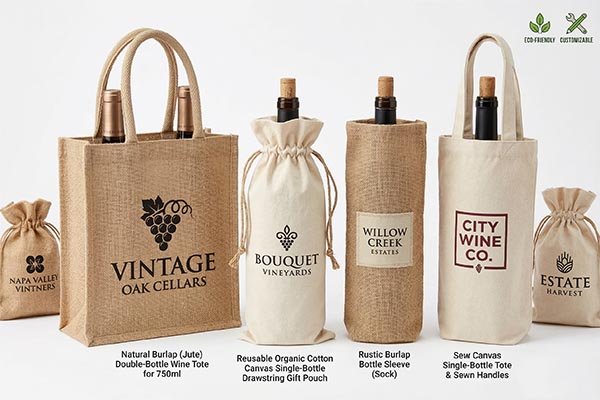
Custom wine gift bags accelerate branding by maximizing physical exposure. Consumers reuse the packaging, extending your brand reach. High-quality materials elevate the perceived value of your wine. Utilizing eco-friendly options demonstrates corporate responsibility. Branded wine bags convert standard logistics into durable promotional wine bags.
Generating Sustained Brand Exposure
Custom packaging operates as a highly efficient marketing asset. When you finalize a retail sale, the consumer transports the product. If you utilize plain packaging, the brand interaction terminates immediately. If you deploy branded wine bags, the consumer interacts with your logo repeatedly. They often repurpose the bag to transport personal items. This secondary usage broadcasts your brand identity to entirely new consumer networks.
Elevating Product Perception
The wine industry depends heavily on visual presentation and perceived prestige. A meticulously designed bag elevates the tactile experience. It upgrades a standard transaction into a premium gifting experience. The reusability of the bag ensures post-purchase retention, acting as continuous mobile advertising. Premium aesthetics upgrade the material feel and increase consumer price tolerance. A strong eco-friendly focus shows sustainable material sourcing and enhances your corporate reputation.
Securing Long-Term Commercial Value
Modern procurement managers demand sustainable, eco-friendly product lines. Supplying sustainable custom wine gift bags aligns your brand with global environmental standards. This alignment accelerates B2B trust and contract renewals. Promotional wine bags generate a superior return on investment. The initial manufacturing cost remains minimal, but the advertising yield persists for years. You fortify brand loyalty every single time the client utilizes the bag.
Conclusión
Specifying the precise wine bag size for a 750ml bottle ensures safe transport and professional presentation. Partner with a reliable supplier to optimize your packaging procurement and branding strategy.
Frequently Asked Questions
Q: How are bulk wine bags packed for international shipping?
A: Wholesale wine bags are usually packed flat in standard export cartons. This minimizes shipping volume and protects the fabric from creasing or damage during transit.
Q: What is the typical minimum order quantity (MOQ) for customized wine bags?
A: Most B2B suppliers require an MOQ of 500 to 1,000 pieces for fully customized bags. This volume balances setup costs on the production line with an affordable unit price.
Q: Can we print our logo using exact Pantone colors on canvas bags?
A: Yes. Screen printing and heat transfer methods allow factories to match your exact Pantone color codes, ensuring strict adherence to your corporate brand guidelines.
Q: Do standard cotton or jute wine bags offer thermal insulation?
A: No, standard single-layer fabric bags do not provide temperature control. If you need insulation, you must request a specific thermal lining, such as aluminum foil or neoprene.
Q: Is it possible to add a transparent window to a fabric wine bag?
A: Yes, a clear PVC or EVA window can be sewn into the front panel. This allows the retail customer to read the wine label without removing the bottle from the bag.
Q: How do manufacturers test the weight capacity of a handle tote?
A: Quality control teams perform dynamic load testing. They place weights exceeding a standard bottle (over 1.5 kg) inside the bag and repeatedly lift it to ensure the handle stitching holds.
Q: Can we add a small pocket for a corkscrew on the wine bag?
A: Absolutely. Sewing a small exterior or interior pocket for accessories like corkscrews, aerators, or corporate business cards is a highly requested custom upgrade.
Q: How long does it take to produce a bulk order of custom wine bags?
A: Standard production lead times typically range from 15 to 25 days after you approve the final sample. This depends heavily on your total order size and current material availability.
Q: Are reusable fabric wine bags machine washable?
A: Cotton and canvas bags can usually be spot-cleaned or gently hand-washed. Machine washing is not recommended because it can shrink the fabric or crack the printed logo. Jute should never be washed.
Q: Can we request pre-production samples before confirming a large wholesale order?
A: Yes. Professional packaging suppliers always provide a physical or digital pre-production sample. This allows you to verify the exact dimensions, material quality, and logo placement before mass manufacturing begins.
-
Learn about the exact dimensions of standard wine bottle sizes to ensure packaging accommodates them perfectly and safely.**** ↩
-
Explore how thoughtful packaging design and structured unboxing experiences drive brand loyalty and customer satisfaction. ↩
-
Read more about the guidelines of corporate gifting and how premium presentation elevates B2B relationships. ↩
 Español
  English
  Deutsch
  Português
  Русский
  العربية
  Français
  Italiano
  日本語
日本語  한국어
한국어  Dansk
Dansk