Vai al contenuto

Sourcing the correct neoprene thickness determines the success of a bag project. A wrong choice in material specifications leads to production delays, quality issues, and wasted budget. This guide clarifies the selection process for professional buyers.
Neoprene thickness generally ranges from 2mm to 5mm in bag manufacturing. 2mm suits small, flexible pouches, while 3mm provides the standard balance for totes and lunch bags. 5mm serves heavy-duty products like coolers. The decision must align with the bag’s size, required structure, and target price point.
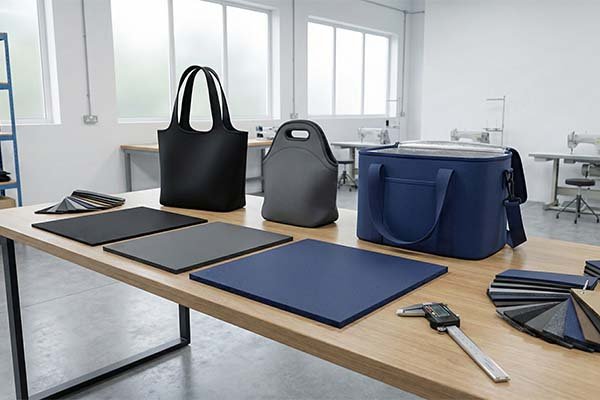
Specifications on paper often look different from the finished product. Buyers need to understand the physical reality of these materials.
WHAT Is the Difference Between 2mm, 3mm, and 5mm Neoprene for Bags?
Procurement managers often see these numbers on a spec sheet but may not feel the physical difference. The tactile difference between these gauges changes the entire function of the product.
2mm neoprene offers high flexibility and resembles heavy fabric, making it ideal for cost-effective, small items. 3mm serves as the industry standard, balancing structural integrity with weight. 5mm creates a rigid, protective shell but significantly increases bulk and material costs.
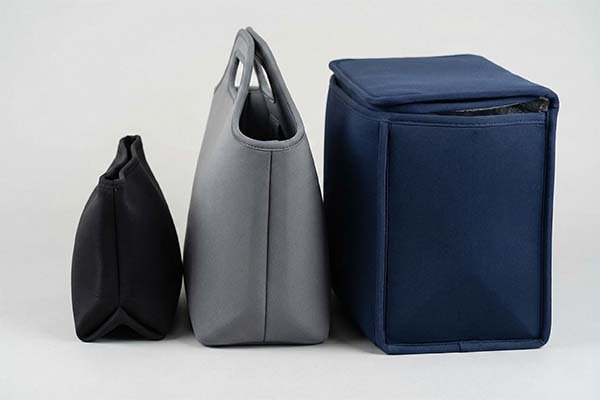
Neoprene thickness plays a central role in bag design. It dictates the "hand feel," the weight, and the final cost of the goods. At Avecobaggie, we see clear distinctions in how these materials perform during manufacturing.
2mm Neoprene (Lightweight & Flexible):
This thickness feels soft and pliable. It acts more like a thick textile than a foam structure. Manufacturers use this primarily for small pouches, drawstring bags, or lightweight cosmetic cases. It is the most cost-effective option. The material folds easily, which helps reduce packaging volume for shipping.
3mm Neoprene (The Standard Balance):
This gauge represents the most common choice for commercial orders. It offers a "meaty" feel without being too stiff. It holds a 3D shape reasonably well but remains comfortable to carry. We use 3mm for the majority of lunch bags, laptop sleeves, and everyday tote bags. It provides a good surface for printing and protects the contents inside.
5mm Neoprene (Heavy Duty & Rigid):
This material feels dense and stiff. It provides maximum shock absorption and thermal insulation. However, it creates a very bulky product. Factories reserve this thickness for specialized items like camera bags, heavy-duty coolers, or protective cases. It is difficult to fold and increases freight costs due to volume.
| Thickness | Sentire | Struttura | Best Application |
|---|---|---|---|
| 2mm | Soft, Cloth-like | Basso | Makeup pouches, Linings |
| 3mm | Firm, Resilient | Medio | Lunch bags, Laptop sleeves |
| 5mm | Stiff, Bulky | Alto | Coolers, Camera gear |
WHY Can Choosing the Wrong Neoprene Thickness Ruin a Bag Design?
Design errors often happen when brands prioritize the wrong material specs. A mismatch between the bag design and the neoprene thickness causes quality failures.
Thin neoprene causes larger bags to collapse and lose shape, while thick neoprene makes small bags look clumsy and distorted. Incorrect thickness selection also leads to zipper failures, printing defects, and unexpected shipping costs due to increased volume.
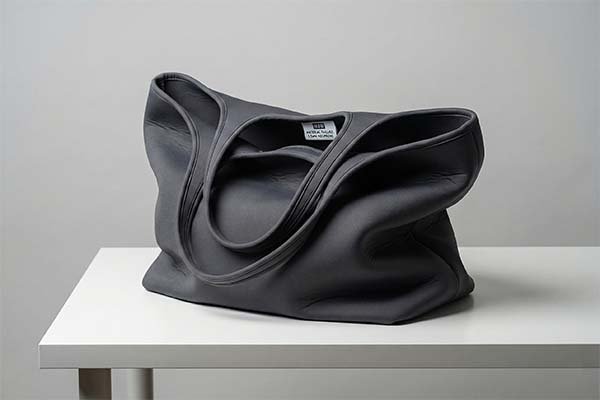
We often see clients request "the thickest material possible" because they equate thickness with quality. This assumption leads to serious design flaws in the final product.
Structural Collapse:
If a buyer selects 2mm neoprene for a large beach tote, the bag will fail structurally. The material cannot support its own weight. The sides will sag, and the bottom will droop when users place items inside. This makes the product look cheap and poorly made.
Proportion Issues:
Using 5mm neoprene for a small cosmetic pouch creates a different problem. The seams become too thick. The bag looks swollen and loses its internal capacity. The rigidity makes the zipper hard to operate.
Production and Cost Implications:
Thickness affects every step of the supply chain. Thin material (under 2mm) is unstable during logo printing, leading to higher defect rates. Thick material (5mm) takes up more space in export cartons. A container holds fewer units, which drives up the landed cost per unit. Buyers must consider these factors early in the development phase.
HOW Does Neoprene Thickness Affect Bag Shape, Structure, and Durability?
The thickness of the rubber foam acts as the skeleton of the bag. It determines how the bag stands on a shelf and how it endures daily use.
Thickness directly correlates to the bag’s ability to maintain a 3D shape and resist abrasion. Thicker materials improve durability and protection but increase the difficulty of sewing and edge finishing. The choice affects the compatibility of zippers and other hardware.
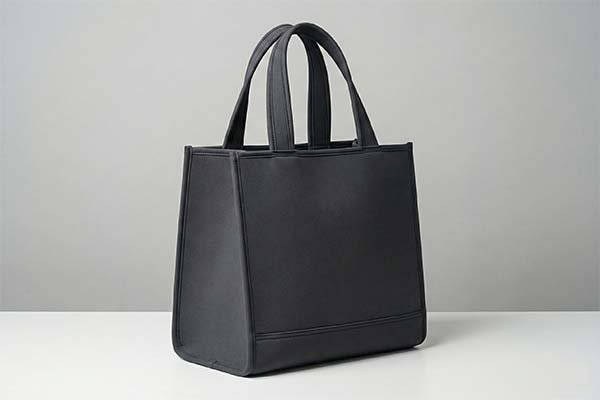
Understanding the mechanics of neoprene helps in making better decisions. Neoprene consists of a rubber foam core sandwiched between fabric layers. The foam provides the structure.
Stereoscopic Shape and Recovery:
A bag needs to stand up to look premium on a retail display. 3mm or 4mm neoprene provides enough stiffness for the bag to hold its shape without stuffing. Thinner material (2mm) relies entirely on the contents for shape. Thicker neoprene also has better rebound; it returns to its original shape after being squeezed.
Durability and Wear Resistance:
Thicker foam (4mm+) acts as a buffer against the ground. It prevents the fabric from wearing through at the corners. For travel bags or heavy-use items, this extra thickness extends the product’s life. However, thinner options are lighter and put less stress on the stitching during use.
Sewing Constraints:
Manufacturing complexity increases with thickness.
- Binding: Wrapping the raw edges of 5mm neoprene requires wide binding tape and heavy-duty machines. The corners often end up rounded and bulky.
- Seam Allowance: Thick seams consume interior space. In a small bag, using 4mm neoprene significantly reduces the usable volume.
- Hardware: The zipper tape must match the material gauge. A standard #3 nylon zipper will fail on a 5mm bag because the tension is too high. Heavy materials require #5 or #8 zippers.
HOW to Select the Best Neoprene Thickness for Different Bag Styles?
Different product categories require different material specifications. There is no single "best" thickness for all projects. The usage scenario dictates the specification.
Cosmetic bags and organizers perform best with 2mm material for flexibility. Everyday totes and lunch bags require the stability of 3mm. Laptop cases need 3mm to 4mm for impact protection. Outdoor gear and coolers demand the insulation of 5mm.
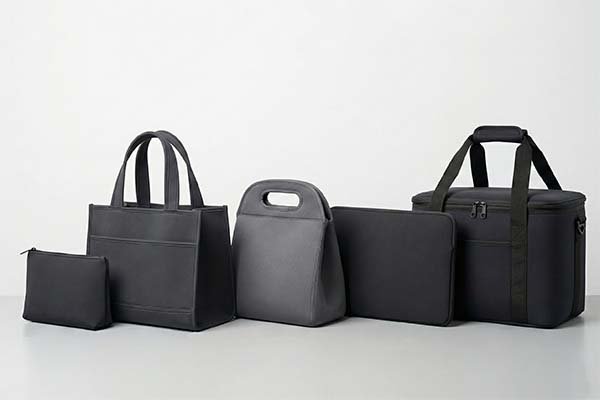
We categorize recommendations based on the intended use of the final product. This approach helps procurement managers match specs to consumer needs.
1. Cosmetic Bags and Small Pouches (Recommended: 2mm)
These items usually go inside a larger bag. Users need them to be soft and compressible. 2mm neoprene allows for complex shapes and tight curves during sewing. It keeps the unit cost low.
2. Fashion Totes and Crossbody Bags (Recommended: 3mm)
Fashion bags need a balance. They must hang well on the body but also look structured. 3mm provides this middle ground. It is comfortable to wear and does not feel like a hard box against the hip.
3. Laptop Sleeves and Tech Cases (Recommended: 3mm – 4mm)
The primary function here is protection. The foam core absorbs energy from drops and bumps. A high-density 3mm is sufficient for slim designs. 4mm offers superior protection for expensive electronics.
4. Backpacks and Duffels (Recommended: 4mm)
Large bags carry heavy loads. Thin neoprene stretches too much under weight. 4mm material provides the necessary tensile strength. It supports the weight of books or gym gear without sagging.
5. Cooler Bags (Recommended: 5mm+)
Thermal performance relies on foam density and thickness. 5mm neoprene traps cold air effectively. This is the standard for high-performance lunch coolers or beverage holders.
Selection Checklist:
- Load: Heavy items (glass, electronics) need 4mm+. Light items need 2mm.
- Dimensioni: Bags wider than 23cm generally need 3mm+ to avoid flopping.
- Style: Casual/Slouchy looks use 2mm. Premium/Boxy looks use 4mm.
WHAT Should Buyers Confirm Before Finalizing Neoprene Thickness for Production?
Specification sheets do not tell the whole story. Buyers must verify the material through physical samples before authorizing mass production.
Confirm the final thickness on a pre-production sample, as lamination and manufacturing can compress the material. Verify the impact of thickness on logo execution and check the total shipment weight to calculate accurate logistics costs.

The pre-production sample (PPS) serves as the standard for quality control. It prevents misunderstandings between the buyer and the factory.
Verifying Actual Thickness:
Raw material thickness differs from finished product thickness. A "3mm" neoprene sheet might compress to 2.8mm after the factory laminates the polyester fabric. Heat and pressure affect the foam. Buyers must measure the finished sample to ensure it meets the brand’s standard.
Logo and Detail Execution:
Thickness affects customization.
- Embroidery: On thick 5mm neoprene, embroidery stitches can sink deep into the foam, making the logo look buried.
- Screen Printing: On thin 2mm neoprene, the material stretches easily. This can cause ink to crack if the print is large. Testing the logo on the specific thickness is mandatory.
Logistics and Tolerances:
Buyers must discuss tolerances. Industry standard tolerance for neoprene thickness is usually ±0.2mm to ±0.3mm. Buyers should know this range. Also, accurate weight data from the sample is vital. A shift from 3mm to 4mm adds significant weight to the total order. This changes the freight budget.
Recommended Action:
Request a "counter sample" set. Ask the supplier to make the same bag in two different thicknesses (e.g., one in 2mm and one in 3mm). Comparing them side-by-side clarifies which one offers the right value and feel. This small investment prevents expensive mistakes later.
Conclusione
Correct neoprene thickness balances structure, protection, and cost. Buyers should spec 2mm for pouches, 3mm for standard bags, and 5mm for protective gear. Always validate the choice with a physical sample.

 English
  Deutsch
  Español
  Português
  Русский
  العربية
  Français
  Italiano
  日本語
日本語  한국어
한국어  Dansk
Dansk