Vai al contenuto

High breakage rates and lost brand visibility drain corporate profits. Many procurement managers select incorrect wine packaging. The right supply chain strategy fixes these costly errors immediately.
Businesses lose money on wine bags by ignoring specific bottle dimensions, using weak materials, and skipping brand customization. Measuring actual SKUs, selecting durable fabrics through OEM collaboration, and adding logos will reduce breakage, lower inventory shrink, and boost return on investment.
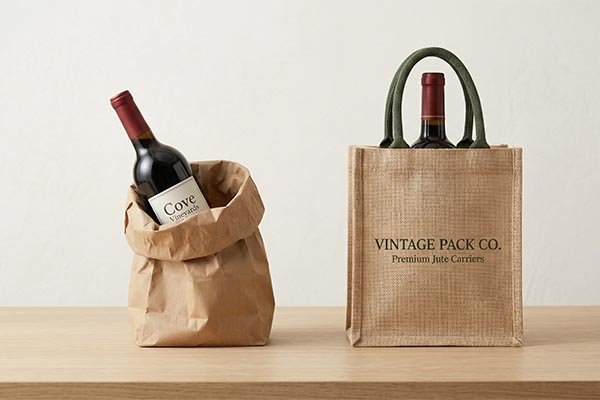
At first, I assumed procurement teams chose wine bags based on strict data. However, daily B2B operations reveal that many buyers just guess sizes or chase the lowest unit price. This approach quietly increases breakage and lost sales. Let us examine the specific sourcing mistakes that destroy margins and how professional OEM/ODM solutions provide a reliable fix.
What Size Wine Bag Actually Fits Different Bottle Types?
Assuming all 750ml bottles fit one generic bag causes severe packaging failures. Torn bags and stuck bottles ruin retail operations. Matching specifications to actual inventory prevents these disasters.
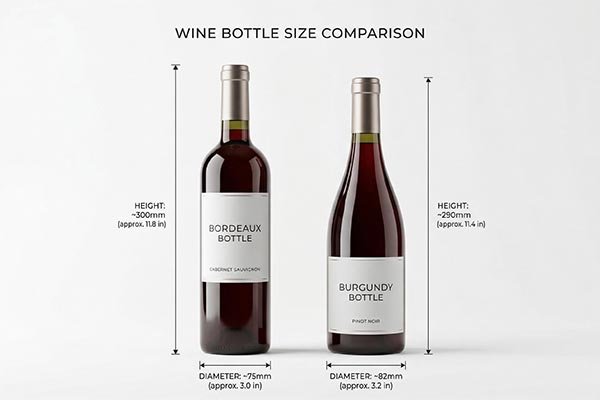
The standard 750ml label ignores physical shape. A Bordeaux bottle is tall, while a Burgundy bottle is wide. Measuring exact height and diameter, and leaving a proper size tolerance, ensures safe packaging. Custom OEM sizing prevents tight fits and bag failure entirely.
We once worked with a winery client who ordered bulk bags based precisely on the exact dimensions of their wine bottles. This created a massive supply chain issue. When the custom bags arrived, the fit was completely flush. The manufacturer built the bags without any size tolerance. Consequently, store staff could not easily insert or remove the bottles. The tight fit slowed down checkout lines and frustrated customers. The entire packaging batch became useless scrap simply because the bags lacked wiggle room.
Proper OEM collaborative development requires precise data collection before manufacturing begins. Procurement managers must gather the bottle total height, the widest bottom diameter, and the shoulder width. Standard 750ml Bordeaux bottles usually measure 300mm in height and 75mm in diameter. However, Champagne or custom craft bottles often exceed 85mm in width.
Material choice also directly impacts the required size tolerance. Rigid materials like heavy canvas, washable paper, or thick jute do not stretch. These premium materials require a larger size allowance to ensure easy bottle insertion during busy retail hours. Conversely, soft cotton or non-woven fabrics offer slight flexibility. However, sizing flexible fabrics too tightly causes the seams to split under the heavy glass weight.
Different commercial occasions dictate different sizing strategies. High-volume grocery operations require slightly oversized bags for fast packing at the register. High-end winery tasting rooms prefer a more tailored fit using premium, structured materials to elevate the brand presentation effects.
Bottle Dimensions and Sizing Strategy
| Bottle Type | Physical Traits | Required Measurement Data | Sizing Tolerance Needed |
|---|---|---|---|
| Bordeaux | Tall and narrow | Height, Base Diameter | Standard (1cm) |
| Burgundy | Short and wide | Height, Shoulder Width | Medium (1.5cm) |
| Champagne | Thick and heavy | Height, Base Diameter | Large (2cm) + Gusset |
Establishing stable and replicable custom bag solutions prevents these exact packaging failures. Professional ODM services ensure every bag accommodates the designated SKU perfectly without causing operational friction.
Why Does Material Choice Matter More Than Price in Wine Packaging?
Chasing the lowest unit price often leads to weak bags. Dropped bottles and broken glass destroy retail profits. Strong materials support heavy liquid products and protect margins.
Wine bottles are heavy items that demand high structural support. Cheap non-woven fabrics fail under stress. Choosing durable materials like canvas or heavy jute prevents handle breakage, eliminates product loss, and maintains a premium brand image through reliable OEM manufacturing.
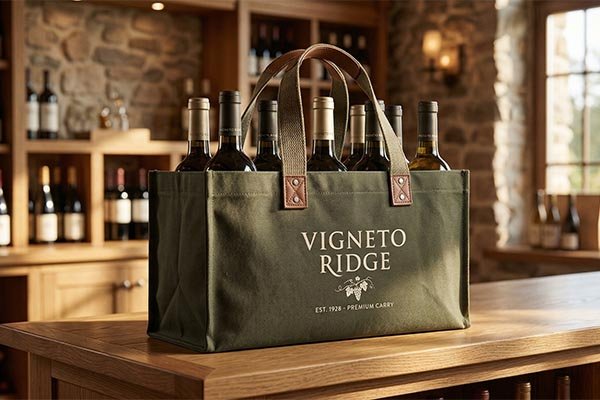
Many procurement managers treat wine bags as a simple area to cut costs. This represents a critical business error. Poorly specified wine bags quietly increase breakage rates across the supply chain. Retailers often accept breakage as a normal business cost. However, weak packaging causes most of these expensive accidents.
When factories use cheap materials, the handles detach quickly. The bottom seams split open under pressure. Customers drop multiple expensive bottles in the parking lot. This creates a terrible user experience and directly hurts sales revenue. Material selection must align with weight capacity and the specific commercial use case. Heavy canvas provides long-term reuse. Natural jute offers a premium texture for corporate gifts.
Through ODM collaborative development, brands can test handle construction for full weight plus a safety margin. We have over 15 years of experience in the bag manufacturing industry, specializing in cotton bags, canvas bags, and rPET bags. This strict quality control stops unexpected cost increases from broken inventory.
Material Performance Comparison
| Material Choice | Strength Level | Business Application |
|---|---|---|
| Heavy Canvas | Molto alto | Long-term retail and premium resale. |
| Natural Jute | Alto | High-end corporate gifting and wineries. |
| Cotone | Medio | Light retail and eco-friendly promotions. |
| Tessuto non tessuto | Basso | Low-cost volume events and quick promos. |
Collaborating with an experienced factory ensures the material matches the brand presentation effects perfectly.
How Can Custom Wine Bags Improve Your Brand Visibility?
Unbranded bags waste valuable marketing space. Businesses lose free advertising every time a customer leaves the store. Utilizing packaging as a mobile brand asset drives continuous revenue.
Plain bags offer zero return on investment after the sale. Custom printed wine bags turn customers into mobile billboards. Even simple logo printing can significantly increase brand exposure. Clear designs boost repeat purchases and build local brand authority.
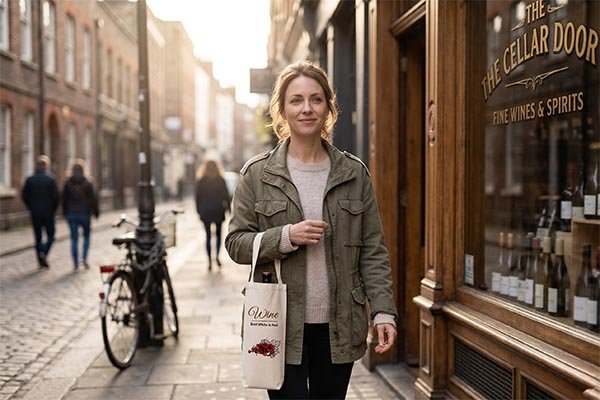
Let me share another insight from daily B2B operations. A winery client initially purchased blank bags to save money. Later, they adjusted their packaging strategy through our OEM services. They fixed the bag size and added a bold, custom logo. Their customers started reusing these durable bags for groceries and picnics. The winery gained continuous brand exposure in their local market without spending extra advertising dollars.
Packaging should never function as a disposable expense. It serves as a long-term branding investment. Customers actively seek reusable, eco-friendly materials like DuPont Tyvek or washable paper. When a business provides a high-quality branded bag, it signals an eco-responsible operation. This perception increases customer loyalty and drives future sales. Professional ODM services help brands select the right printing method to avoid logo printing defects.
Customization Options for Brands
| Print Technique | Cost Impact | Best Brand Application |
|---|---|---|
| Silk Screen | Highly efficient | Clear logos and simple brand messaging. |
| Trasferimento di calore | Moderato | Complex graphics and colorful promotions. |
| Ricamo | Premium | Luxury brand positioning and high-end gifts. |
Ensuring the logo remains highly visible is crucial. Clear contrast and professional application maximize the brand presentation effects in any market.
What Should You Know Before Placing a Bulk Wine Bag Order?
Rushing bulk orders causes severe supply chain disasters. Unexpected delays and inconsistent quality hurt inventory planning. Controlling the procurement process before production begins eliminates these massive risks.
Bulk orders reduce unit costs but carry high risks. Confirming the minimum order quantity upfront is essential. Ordering a physical sample before mass production prevents size deviations, eliminates color errors, and ensures the supplier meets strict delivery timelines.
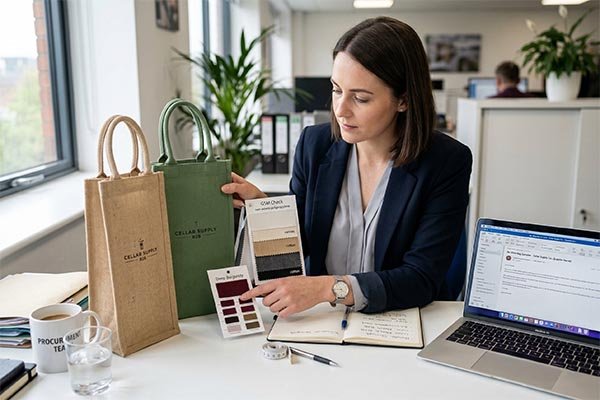
Procurement managers often face unstable lead times and inconsistent quality between batches. These pain points destroy operational efficiency and inflate budgets. Ordering a large batch might secure a lower unit price initially. However, if the factory uses the wrong fabric color, the entire investment is lost, disrupting the sales cycle.
Implementing strict supply chain controls is mandatory. Approving a bulk order based only on digital pictures is extremely dangerous. Testing a real sample with actual wine bottles validates the design. Checking the stitching quality, verifying the material thickness, and testing the handles with full weight are critical steps. This is the exact value of full supply chain services. A reliable OEM partner supports small-batch testing and provides physical samples before mass production.
Bulk Order Risk Management
| Procurement Step | Purpose | Business Benefit |
|---|---|---|
| Verify MOQ | Understand volume rules. | Prevents budget overruns and excess stock. |
| Order Sample | Check physical quality. | Eliminates size and printing defects. |
| Set Lead Times | Control production schedule. | Ensures stock arrives before peak seasons. |
| Co-development | Utilize ODM services. | Creates stable and replicable solutions. |
Transparent communication removes risk. It guarantees that custom eco bags arrive on time, matching the exact specifications required by brand owners and wholesalers.
How Do Different Use Scenarios Affect Wine Bag Design?
Using one generic bag for all sales channels creates poor customer experiences. Bags that fail during travel damage brand reputation. Matching designs to specific commercial uses ensures safety.
A single bag design cannot serve every business need. Grocery stores need multi-bottle bags with strong dividers. Gift shops require elegant materials. Matching the bag features to how the target customer actually transports the product prevents costly damage.
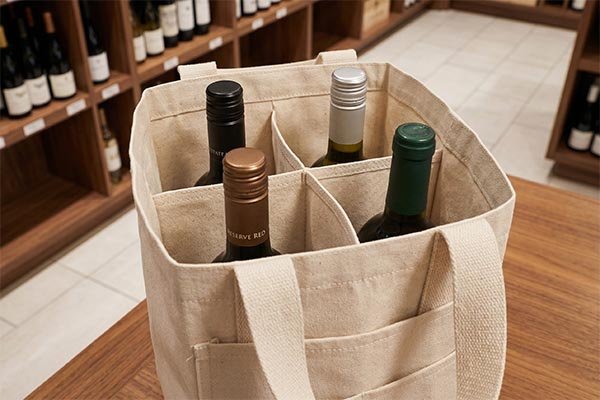
Many brands make the critical mistake of using one design for all scenarios. This approach ignores the actual environment of the customer. If a business ships wine, or if customers travel frequently, standard bags fail completely. Travelers routinely rely on bubble wine bags or padded totes. If a bottle shop does not offer padded options, it loses easy add-on revenue and faces more breakage claims.
Retail stores face another major issue: inventory shrink. Opaque, oversized wine bags make it easy for shoplifters to hide expensive bottles. Aligning bag designs with loss-prevention policies is necessary. Effective loss-prevention requires clear sightlines, which bulky, dark bags undermine.
Through ODM collaborative development, businesses can engineer specific features for specific environments. If a customer buys four bottles, they need a bag with internal dividers to prevent the glass from chipping in transit.
Scenario-Based Design Strategies
| Business Scenario | Core Requirement | Recommended Packaging Design |
|---|---|---|
| Bottle Shop Retail | Loss prevention and strength | Clear sightlines and multi-bottle dividers. |
| High-End Winery | Brand prestige and texture | Minimalist design on premium canvas or jute. |
| Travel and Shipping | Shock absorption | Padded inserts or specialized bubble sleeves. |
| Trade Events | Volume distribution | Lightweight materials with bold, simple logos. |
Tailoring the design to the exact supply chain channel balances cost control and delivery efficiency perfectly.
Conclusione
Smart procurement requires exact bottle measurements, durable materials, and professional OEM collaboration. Optimizing the wine bag supply chain reduces breakage, lowers inventory shrink, and increases long-term brand value.**
Domande frequenti
Q: How are bulk wine bags packaged for international shipping to reduce freight costs?
A: We pack custom wine bags completely flat in standard export cartons. This flat-pack method maximizes shipping container space and significantly lowers your international freight fees.
Q: What type of design file do I need to provide for a clear logo print?
A: You should provide vector files, such as AI, EPS, or PDF formats. Vector graphics ensure your brand logo remains sharp and clear during the factory printing process.
Q: Can standard non-woven or canvas bags keep white wine chilled during transport?
A: Standard fabrics offer no thermal insulation. If your customers need to keep bottles cold, you must request an internal insulated foil lining during the OEM development phase.
Q: Are rope handles or flat fabric handles better for heavy multi-bottle bags?
A: Flat fabric handles distribute weight evenly across the hand, making them much more comfortable for heavy loads. Rope handles offer a premium luxury look but can dig into the fingers if carrying four or more bottles.
Q: Will the dye from custom colored wine bags rub off on bottle labels or clothing?
A: Professional manufacturers use colorfast dyes to prevent this issue. However, ordering a physical sample allows you to test the fabric for color transfer before you approve a large bulk production.
Q: How much time should a procurement manager allocate for a complete OEM bag order?
A: You should plan for 4 to 6 weeks. This timeline safely covers sample production, client approval, mass manufacturing, and final quality control checks before ocean or air shipping.
Q: Are the bottle dividers inside the bag sewn in permanently or removable?
A: We can manufacture both styles based on your needs. Sewn-in dividers offer maximum stability for heavy glass, while removable dividers allow the end-user to reuse the bag for larger grocery items.
Q: Do eco-friendly wine bags require special storage conditions in a retail warehouse?
A: Most reusable bags like canvas or jute only need a dry, ventilated space. However, 100% biodegradable materials should be kept away from direct sunlight and extreme humidity to prevent premature breakdown.
Q: Can customers wash their custom canvas wine bags if wine spills inside?
A: Yes, high-quality canvas and heavy cotton bags are washable. We recommend hand washing them with cold water to protect your custom logo printing from fading or peeling over time.
Q: Do we need to print specific safety warnings on our custom wine packaging?
A: This depends entirely on your local retail laws. Some regions require certain packaging to carry child safety warnings or recycling symbols. Always check your local compliance regulations before finalizing your artwork with the supplier.
 English
  Deutsch
  Español
  Português
  Русский
  العربية
  Français
  Italiano
  日本語
日本語  한국어
한국어  Dansk
Dansk