Skip to content

Many brands and retailers face the challenge of low Average Order Value (AOV) when selling standalone products. While a high-quality tote or cooler bag may attract attention, single-item sales often limit revenue potential. To maximize profitability and brand impact, businesses must shift from selling isolated SKUs to offering curated, lifestyle-driven collections.
Building a product collection involves positioning the bag as the "anchor" item and developing a supporting ecosystem of accessories. By centering the design around a specific theme companies can create a cohesive family of products where the bag serves as the foundation and items like mats or pouches complete the user experience.
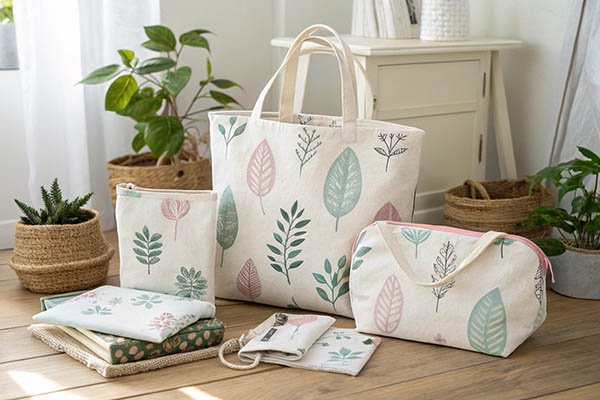
Designing a single bag is straightforward, but engineering a scalable product system requires a strategic approach. The following sections explore how to utilize the bag as the core element to build a successful, theme-based product series for the B2B market.
What Themes Work Best for Product Series?
Selecting the right theme is critical for inventory turnover and market positioning. A vague concept often leads to disjointed product lines that fail to communicate a clear value proposition to the end consumer.
The most effective themes for bag-centered collections are grounded in specific application scenarios or recurring calendar events. High-performing themes include "Outdoor Leisure", where the bag functions as equipment, and "Seasonal Gifting", where the bag acts as premium packaging. These themes create a natural demand for both the container and its matching contents.
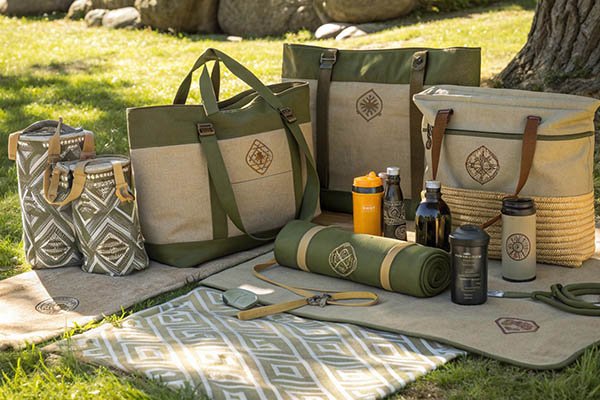
When developing a collection for retail or corporate clients, the theme determines the technical specifications of the Anchor Bag. The bag is not merely an accessory; it defines the category of the entire collection.
Scenario-Based Themes:
For lifestyle brands, the focus lies on utility. In a "Beach & Outdoor" theme, the anchor product is typically a high-capacity Beach Tote or a specialized Cooler Bag. The material choice—such as waterproof TPU, durable Canvas, or Juta the standard for the rest of the collection. Once the anchor bag is defined, the theme naturally dictates the expansion into supporting items that fit inside or attach to the bag, such as sand-free mats or moisture-resistant pouches.
Event-Based Themes:
For gift companies and promotional buyers, the focus is on visual impact and tradition. In "Holiday" themes, the bag often serves a dual role: product and packaging. A reusable jute shopper or a felt gift bag becomes the centerpiece of a holiday campaign. The "theme" here is driven by the calendar (Christmas, Halloween), allowing businesses to plan inventory cycles with certainty. The collection expands into home textiles or small accessories that share the bag’s visual language, creating a "ready-to-gift" solution that appeals to time-poor consumers.
What Combos Fit Beach or Picnic Use?
A common issue in retail display is that large items like cooler bags or beach totes can appear disconnected without context. Providing a pre-configured system helps buyers visualize the usage scenario and justifies a higher price point.
Strategic product combinations utilize the bag as the primary carrier and pair it with complementary items that solve specific logistical problems. For picnic collections, a structured Cooler Bag serves as the core, paired with a foldable picnic mat. For beach series, a large Mesh or Canvas Tote acts as the anchor, bundled with matching towels or waterproof accessory bags.
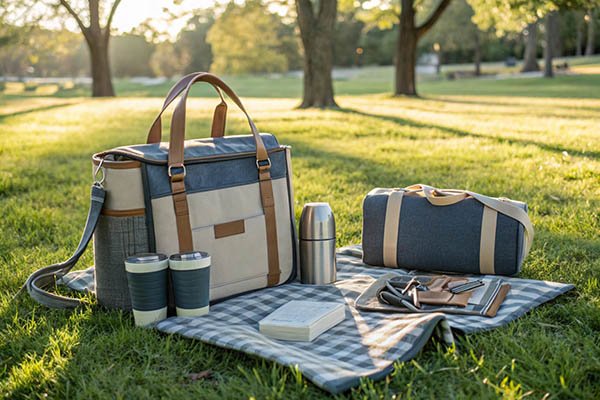
From a product development perspective, the "Bag + Accessory" model relies on the concept of a functional ecosystem. The Bag is the Hero Item—it carries the highest manufacturing cost and the strongest branding elements. The accompanying items are designed to support the hero.
The Picnic Ecosystem:
The central piece is the Insulated Cooler Bag. To add value, designers should consider the pain points of the user: where do they sit? A Picnic Mat is the logical addition. For a cohesive collection, the mat should be designed to fold into a specific dimension that fits a dedicated pocket on the cooler bag, or attach via external webbing straps. This transforms two SKUs into a single, integrated "Picnic System."
The Beach Ecosystem:
Here, the anchor is the Beach Tote. The challenge is sand and moisture. The complementary products should address organization within the large volume of the tote. A waterproof "Wet Bag" for swimwear and a matching "Sand-Free Mat" are high-margin add-ons. By using consistent materials, manufacturers can optimize material yields and ensure that the products look like a unified set on the retail shelf.
How Do Holidays Shape Your Collections?
Seasonal inventory requires precise timing and strong visual appeal to maximize sell-through during short peak periods. For B2B buyers, holiday collections offer a reliable revenue stream through corporate gifting and limited-time retail offers.
Holidays shape collections by transforming the bag into a vehicle for storytelling and branding. During periods like Christmas or Easter, the bag acts as a premium vessel for gift sets. This approach allows companies to sell "Gift Bags," themed Shoppers, and matching home goods as a unified package, increasing the perceived value of the offer.
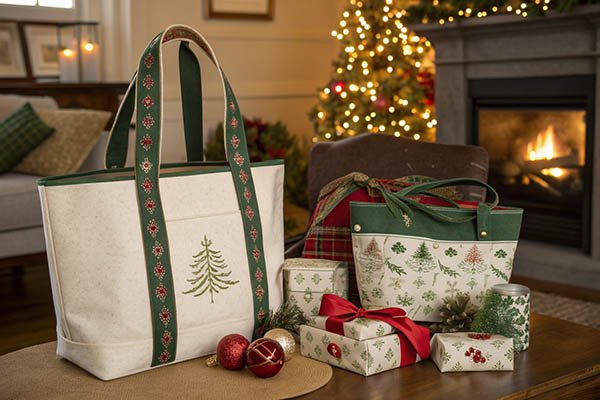
In the context of B2B sales and corporate gifting, the "Holiday Collection" is often driven by the concept of Sustainable Packaging. Modern businesses are moving away from disposable wrapping paper and boxes in favor of reusable fabric bags.
The Bag as a Value-Add Component:
For a Christmas collection, the "Gift Sack" or "Holiday Tote" is the entry point. However, to serve B2B clients better, the collection should expand to include interior items that match the bag’s aesthetic. If the bag features a specific holiday print or embroidery, that same design element can be applied to Table Runners, Tea Towels, or small Drawstring Pouches.
Marketing and Merchandising:
This strategy allows retailers to market "Curated Gift Sets" rather than loose items. A "Holiday Kitchen Set" might include a printed tote bag containing a matching apron and oven mitt. For corporate clients, this offers a simplified purchasing decision: they can buy a complete, branded gift solution for their employees or clients without sourcing components from multiple vendors. The bag ties the bundle together physically and thematically, making it a powerful tool for seasonal marketing.
What Matters When Creating Multi-Item Bundles?
Creating a bundle is not simply about grouping random products; it requires careful consideration of design consistency, supply chain logistics, and cost structures. A disjointed bundle can confuse the buyer and damage brand perception.
Successful bundling requires strict adherence to design uniformity, complementary functionality, and logistical compatibility. A "Bag + Mat" set must share exact color matches and material quality. Furthermore, businesses must plan for Minimum Order Quantities and unified packaging solutions to ensure the bundle is profitable and shelf-ready.
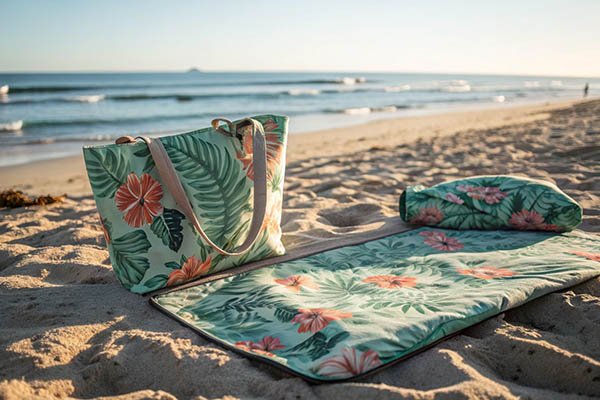
For design studios and procurement managers, the technical execution of a bundle is just as important as the concept. The bag and its accessories must feel like they were born from the same production line.
Supply Chain Consolidation:
Sourcing the bag and the accessories from different factories often leads to color discrepancies and timing delays. It is strategically advantageous to work with a manufacturer capable of producing the entire range—sewing the bags, mats, and pouches under one roof. This ensures that the "Navy Blue" on the tote bag matches the "Navy Blue" on the picnic mat binding.
Optimizing for Retail and Logistics:
- MOQ Management: The anchor bag might have a lower MOQ than smaller accessories. Planning the mix (e.g., 1 Bag to 1 Mat, or 1 Bag to 2 Pouches) helps align production volumes.
- Packaging: How the bundle arrives at the warehouse matters. Packing the accessories all'interno the main bag during manufacturing reduces shipping volume and dimensional weight, saving freight costs. It also creates a "Ready-to-Sell" unit for the retailer, eliminating the need for assembly at the destination.
- Cost Averaging: Bundling allows for margin blending. A lower-margin anchor bag can be offset by higher-margin accessories like pouches, resulting in a healthy overall profit for the collection.
Conclusione
Building a product collection requires positioning the bag as the central hub of a functional ecosystem. By selecting clear themes, designing complementary accessories like mats and towels, and managing supply chain logistics for bundles, businesses can create high-value offers. This strategy not only differentiates a brand in a crowded market but also drives bulk sales and strengthens customer loyalty.
Frequently Asked Questions
Q: How do we handle color consistency when the bag and accessories use different materials?
A: Color matching across different substrates (e.g., cotton canvas vs. waterproof TPU) is a common challenge. Do not rely on visual estimation. Always specify a Pantone (PMS) code for every item and request "lab dips" from your manufacturer for each material before mass production. This ensures that even if the textures differ, the shade remains visually unified within the collection.
Q: What is the best pricing strategy for a "Bag + Accessory" bundle compared to selling items individually?
A: To encourage the purchase of the full collection, the bundle price should typically offer a perceived saving of 10% to 15% compared to the sum of the individual items. This discount acts as a psychological trigger for B2B buyers or consumers to upgrade their purchase, increasing your overall Average Order Value (AOV) while maintaining healthy margins.
Q: What happens if the "Anchor Bag" sells out, but we are left with excess inventory of the matching accessories?
A: This is an inventory risk known as "imbalance." To mitigate this, design your accessories (like pouches or mats) to be compatible with multiple bag designs, not just one specific seasonal print. Alternatively, market the remaining accessories as "refills" or standalone entry-level products for customers who cannot afford the full set.
Q: Should we prototype the entire collection at once, or start with the bag?
A: It is cost-effective to finalize the prototype of the Anchor Bag first. Once the bag’s dimensions and features are approved, you can design the accessories to fit specifically into its pockets or compartments. Prototyping simultaneously can lead to costly revisions if the main bag’s structure changes during development.
Q: How can we ensure our logo branding looks consistent across a diverse product family?
A: Establish a "Brand Style Guide" for the collection. Decide on a fixed logo placement rule (e.g., "always centered on the front pocket" or "bottom right corner"). Also, consider using a consistent branding method—if you use a leather patch on the bag, use a smaller version of the same leather patch on the pouch and mat, rather than mixing printing and embroidery.
Q: Can we negotiate lower MOQs if we order a collection set from one supplier?
A: Often, yes. If you treat the collection as a "kit," you can sometimes negotiate a "Set MOQ" (e.g., 500 sets) rather than individual MOQs for each SKU. Manufacturers prefer this because it guarantees a higher total volume of fabric consumption and labor, giving you more leverage in negotiations.
Q: How does building a collection impact shipping costs for international trade?
A: Building a collection can actually reduce shipping costs per unit if designed correctly. By "nesting" smaller items (mats, towels, pouches) inside the main bag, you utilize the "dead air" inside the bag. This improves your shipping volume-to-weight ratio, allowing you to fit more product value into a single shipping container.
Q: For corporate gifting collections, should the design be fully branded with our logo or the client’s?
A: For B2B corporate gifting, subtler branding is better. Design the collection so that your brand is visible but secondary (e.g., on a side label or zipper pull), leaving the prime "real estate" (center of the bag) clear for your corporate client to add their own logo. This makes your collection more attractive to promotional buyers.
Q: How do we extend the shelf life of a seasonal holiday collection?
A: Avoid hyper-specific dates or text in your design (e.g., avoid printing "Christmas 2025"). Instead, focus on a broader "Seasonal Mood" like "Winter Wonderland" or "Cozy Fireside." This allows you to continue selling the inventory through January and February, rather than having it become obsolete on December 26th.
 Italiano
  English
  Deutsch
  Español
  Português
  Русский
  العربية
  Français
  日本語
日本語  한국어
한국어  Dansk
Dansk