Перейти к содержанию

Expensive PR boxes create massive waste after just one photo. Brands lose money on discarded materials. Replacing rigid boxes with reusable bags solves this problem and extends brand visibility.
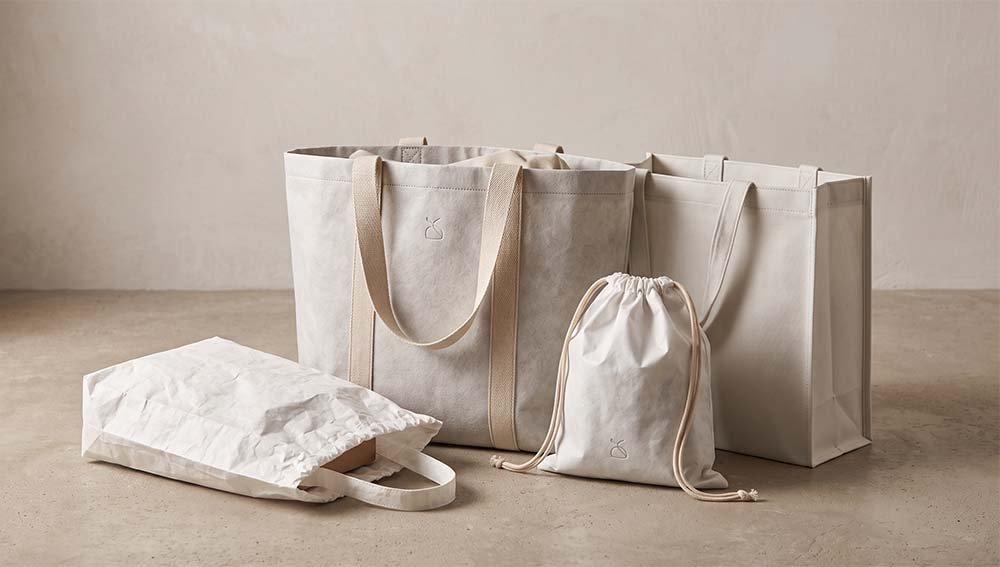
Creative PR packaging using reusable bags shifts focus from disposable display boxes to functional brand carriers. These bags combine sustainability with daily usability. They act as long-term communication tools because recipients keep and use them, which extends the overall brand experience far beyond the initial unboxing event.
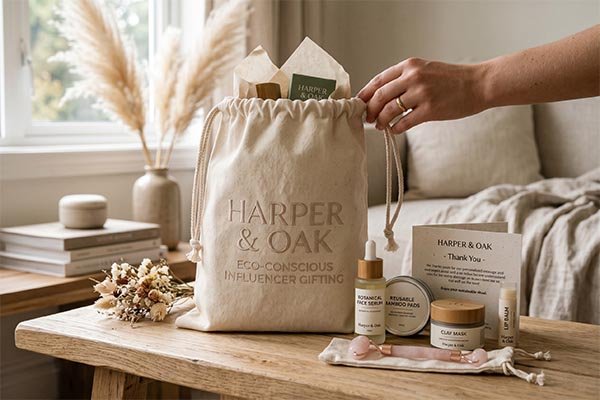
Traditional unboxing experiences end quickly and leave behind bulky waste. A functional approach changes this dynamic entirely and offers lasting value to the end user.
What Is Creative PR Packaging Using Reusable Bags?
Standard packaging gets ignored after products are removed. This limits marketing ROI. A reusable bag turns the wrapper into a valuable, kept item.
Creative PR packaging uses reusable bags as practical brand carriers instead of temporary display boxes. This method shifts the focus from one-time unboxing to daily utility. The bag serves as an active brand communication tool that successfully merges environmental sustainability with long-term product usability.
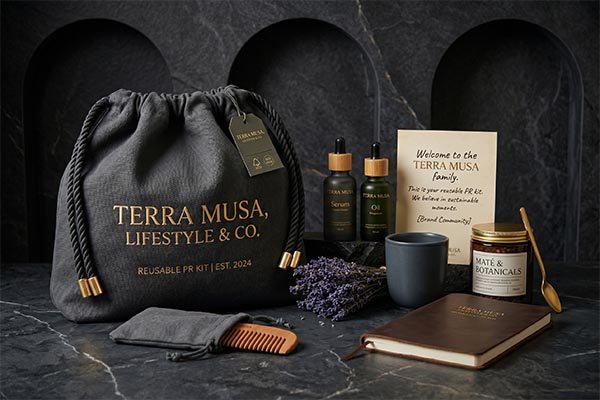
The Shift to Functional Carriers
PR packaging trends show a shift toward functional items. Brands no longer desire simple display boxes. Buyers want functional containers. A reusable bag serves this exact purpose. The bag holds the PR products securely during shipment. It also lives on after the unboxing event. This transformation means the packaging becomes a dedicated brand communication tool. Companies do not just pack items anymore. Companies extend the brand experience into the daily life of the user. Customers receive a real, usable tool. People remember the brand every time they pick up the bag. This repeated interaction builds trust over many months. A paper box cannot achieve this long-term connection. Standard cardboard ends up in the recycling bin almost immediately.
| Характеристика | Traditional PR Box | Reusable PR Bag |
|---|---|---|
| Primary Function | Display and protect | Carry and reuse |
| Продолжительность жизни | Very short | Very long |
| Brand Tool | One-time impact | Ongoing daily impact |
Why Are Brands Using Bags Instead of Traditional PR Boxes for PR Packaging?
Heavy PR boxes cost too much to ship globally. Consumers also view them as wasteful. Reusable bags solve these high logistical costs and environmental complaints.
Brands use bags instead of traditional PR boxes because boxes lack practical daily use. Reusable bags enter daily life routines and extend the lifespan of the PR package. Bags are lighter for global shipping and meet modern environmental, social, and governance rules.
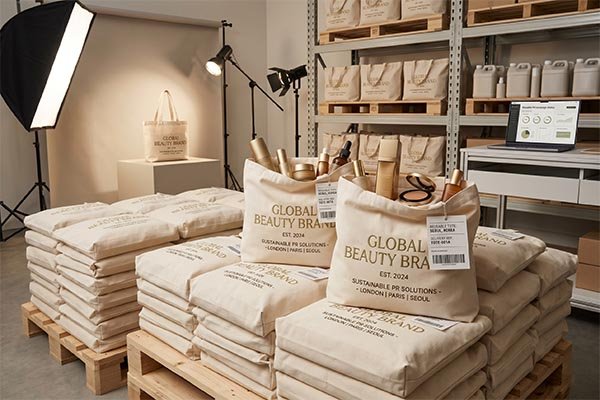
The High Cost of Rigid Boxes
Many companies build complex boxes to impress influencers. These rigid boxes use magnetic closures and thick foam inserts. They look great on a camera for a few seconds. However, users throw them away after taking one photo. This behavior creates a huge waste problem. Brands pay high shipping fees for this heavy waste. The investment yields poor returns. A thick paper box only displays vanity. It fails to provide real value to the person receiving it. Reusable bags enter daily life easily. People use them to carry groceries or gym gear. This means the packaging has a long, useful life. Bags are also much lighter than boxes. This lighter weight saves money on shipping campaign kits around the world. Companies burn less fuel and reduce carbon emissions.
| Фактор | Traditional Box | Reusable Bag |
|---|---|---|
| Shipping Weight | Heavy | Light |
| Global Logistics | Expensive | Cost-effective |
| ESG Compliance | Бедный | Превосходно |
How Do Reusable PR Bags Become a Creative Marketing Tool?
A brand message dies when a standard box hits the trash. The company loses potential exposure. A reusable bag turns packaging into a mobile advertisement.
Reusable bags act as visible brand media. Every reuse creates brand exposure in public spaces. Bags easily fit into travel, shopping, and work routines. This daily utility encourages users to share photos online, which transforms the package into a mobile advertising carrier.
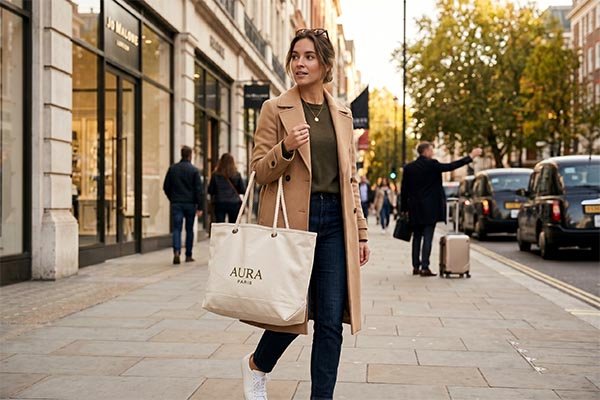
Visible Brand Media in Public
A reusable bag works exactly like mobile media. People carry these bags in public places. This action gives the brand repeated impressions over a long time. The bag itself becomes a visible brand asset. Companies do not just print a logo on paper. Companies put their brand on an item that travels the streets. A printed logo gets seen by hundreds of people every single day. The bag acts as a silent salesperson in the real world. Users take good bags everywhere they go. They use them for fitness centers, office commutes, or weekend trips. Each outing shows the brand to new people. A nice bag also encourages user-generated content online. Influencers take photos of the bag in real-life settings. This organic sharing provides free marketing.
| Use Case | Environment | Exposure Type |
|---|---|---|
| Grocery Shopping | Supermarket | Local community |
| Gym Visit | Fitness center | Active lifestyle group |
| Work Commute | Public transit | City professionals |
What Makes Bag-Based PR Packaging More Sustainable and Eco-Friendly?
Single-use packaging harms the planet heavily. Customers judge wasteful brands harshly. Adopting eco-friendly bags demonstrates true environmental commitment and reduces corporate footprint.
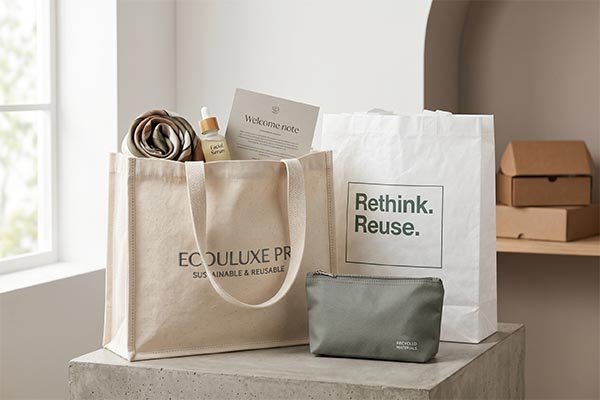
Bag-based packaging reduces the waste of single-use rigid boxes by promoting a reuse cycle. Brands manufacture these bags from eco-friendly materials like RPET, cotton, or Tyvek. This approach lowers shipping weight and aligns perfectly with global sustainability marketing trends.
Stopping Single-Use Waste
Traditional PR packages use excessive plastic and cardboard. Users open them once and discard them. This linear process creates terrible waste. A reusable bag stops this destructive cycle. It promotes a reuse cycle instead of a single unboxing event. This strategy links sustainability with practicality. Consumers increasingly favor companies that show clear environmental commitment. Businesses stop adding to the landfill problem when they choose reusable items. Companies can choose many green materials for their bags. Органический хлопок breaks down naturally over time. RPET materials give old plastic bottles a second life. Tyvek feels like paper but resists water and tearing. Bags also take up less space than boxes. Delivery trucks burn less fuel to transport them. Procurement managers appreciate this reduced carbon footprint.
| Материал | Eco-Friendly Trait | Best Feature |
|---|---|---|
| rPET | Made from recycled bottles | Reduces plastic waste |
| Органический хлопок | Biodegradable natural fiber | Renewable resource |
| Tyvek | Recyclable | Lightweight durability |
How Can Reusable PR Bags Improve Brand Experience and Unboxing?
A rigid box feels cold and highly commercial. It lacks a personal touch. A soft bag creates a warm, natural connection during the unboxing moment.
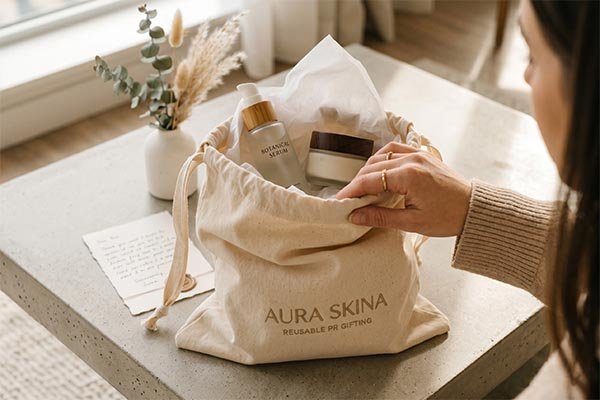
Soft packaging provides a natural and lifestyle-focused unboxing experience. This method elevates the brand texture to feel premium but not wasteful. The bag design acts as a keepable item, which builds a long-term connection between the brand and the consumer.
A Natural Unboxing Event
Opening a bag feels different than opening a box. It feels more like receiving a personal gift. Soft packaging brings a lifestyle feel to the unboxing event. Influencers prefer this natural look for their videos and photos. It helps them tell a better story. The bag blends right into a home environment. A soft bag feels human and warm. Rigid boxes feel cold and industrial. A well-designed bag makes the brand look thoughtful without relying on disposable items. The main goal is to create a keepable item. Companies want to avoid discardable packaging. When a user keeps a bag, they remember the brand favorably. A simple bag can become a recognizable brand collectible over time. This approach builds strong loyalty.
| Element | Traditional Box Feeling | Reusable Bag Feeling |
|---|---|---|
| Текстура | Hard and stiff | Soft and natural |
| Visual Impact | Over-designed | Minimal and premium |
| Post-Unboxing | Seen as trash | Kept as an accessory |
Why Are Luxury and Creative Brands Choosing Bag-Based PR Packaging?
Flashy packaging looks cheap to modern buyers. Over-designed boxes ruin the quiet luxury vibe. Reusable bags offer the subtle, high-end feel that luxury demands.
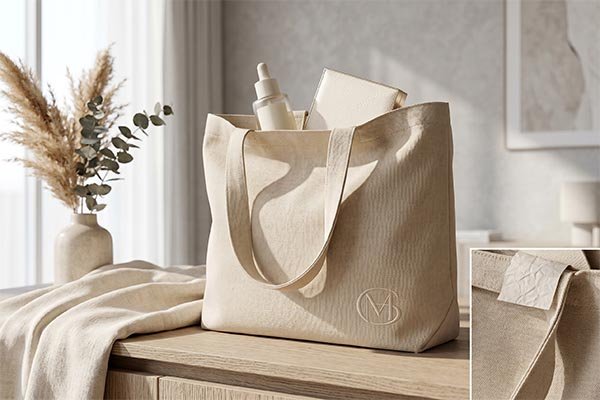
Luxury brands choose bags to match the quiet luxury trend. Fabric textures like canvas, Tyvek, and RPET look more premium. Bags avoid the over-designed feel of standard PR boxes and allow easy customization, which matches fashion and beauty brand tones.
The Quiet Luxury Trend
Luxury aesthetics are changing rapidly. Brands do not want loud, flashy boxes anymore. The market demands minimal luxury. Fabric textures provide this advanced, premium feel. Canvas tote bags, Tyvek, and RPET look elegant in their simplicity. They successfully avoid the over-designed look of rigid boxes. Loud branding is no longer popular. Quiet luxury serves as the new standard. A simple canvas bag with a small logo looks very expensive and shows confidence. Luxury brands use reusable bags to maintain premium positioning while staying highly useful. Bags also offer great ways to show brand identity. Suppliers can customize them easily. Brands use subtle embroidery to add texture. This настройка makes the bag feel like a high-end fashion piece instead of cheap packaging.
| Customization Method | Visual Effect | Best Brand Type |
|---|---|---|
| Вышивка | Classic and textured | High-end fashion |
| Трафаретная печать | Clean and sharp | Minimalist beauty |
| Woven Labels | Subtle and professional | Lifestyle brands |
What Types of Bags Work Best for Modern PR Packaging?
Choosing the wrong bag makes a PR kit look cheap. The wrong material ruins the product fit. Marketers must pick the exact right bag style.
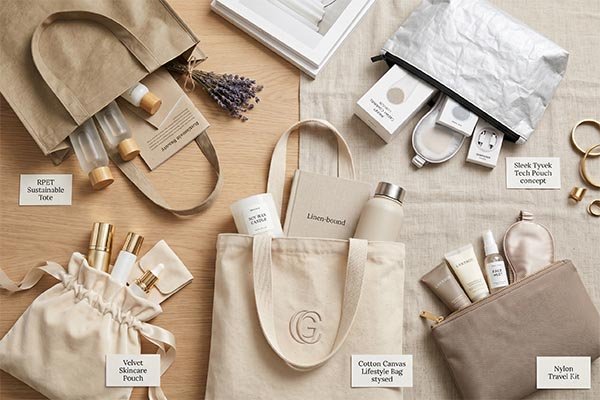
Different bags suit different PR needs. RPET bags are the top choice for sustainable brands. Tyvek bags offer a modern tech aesthetic. Canvas tote bags fit lifestyle brands. Drawstring pouches hold skincare kits well, while zipper bags suit travel kits.
Matching the Bag to the Brand
Procurement managers must choose a bag format that matches the product and audience. Each material offers a different look and tone. RPET bags work best for brands focused strictly on sustainability. Tyvek looks modern and feels like paper, which tech companies love. Decision-makers must think about what the end user needs. A travel blogger requires a sturdy zipper bag. A beauty editor wants a soft pouch for tiny items. When the bag matches the specific need, the buyer keeps it. The shape of the bag matters just as much as the material. Natural tones usually work best for eco-friendly campaigns. Clean logos and restrained color palettes often feel more premium. They align well with sustainability positioning.
| Стиль сумки | Best PR Use Case | Target Audience |
|---|---|---|
| Холщовая сумка | Everyday lifestyle kits | Fashion influencers |
| Drawstring Pouch | Small skincare items | Beauty editors |
| Сумка на молнии | Travel-sized collections | Travel bloggers |
How Does Bag-Based PR Packaging Increase Long-Term Brand Exposure?
A campaign ends quickly, and standard packaging is forgotten. Brands waste money on short-lived hype. A reusable bag keeps the brand visible for years.
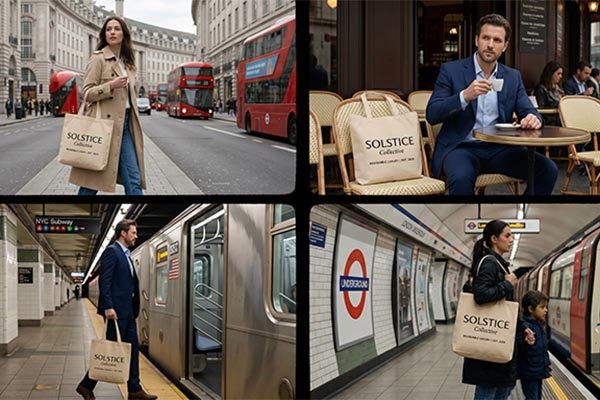
Users continuously carry reusable bags in their daily lives. The PR packaging extends from a brief campaign moment to daily exposure. Every public trip becomes a brand exposure opportunity, which transforms visibility from a short-term spike into a long-term presence.
Extending the Campaign Moment
Traditional PR boxes only work for one day. The influencer posts a video, and the event is over. Reusable bags change this timeline completely. The packaging moves from a brief campaign moment to daily public exposure. Users take the bags to the store or the park. Every trip outside is a new brand exposure event. A standard PR box lives for about ten minutes. A durable reusable bag lives for years. Companies pay for the packaging once. However, companies receive marketing value for a very long time. This approach represents a smart use of procurement budgets. Bags appear in photos naturally. This organic placement leads to more social media sharing over time. The bag becomes an integrated part of the user’s daily routine.
| Exposure Phase | Box Action | Bag Action |
|---|---|---|
| Day 1 (Unboxing) | High attention | High attention |
| Month 1 | Forgotten entirely | Используется для покупок |
| Year 1 | Discarded completely | Still carrying the logo |
What Is the Future of PR Packaging in a Bag-Based System?
Companies that stick to wasteful boxes face public backlash. Customers demand better systems. Adopting functional packaging now secures brand relevance for the future.
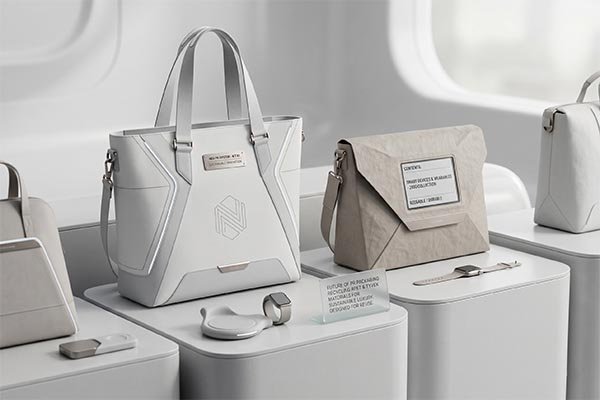
PR packaging will evolve into a functional branding system. Sustainable materials will become the basic standard. Packaging design will focus on user behavior rather than just visual shock, making reusable bags the mainstream PR communication format.
The Functional Branding System
The future of PR is not about bigger boxes. The future involves items that earn their keep. PR packaging is quickly becoming a functional branding system. Brands will judge success by how long a customer keeps the item. Sustainable materials will not be a special feature anymore. They will serve as the basic standard for everyone. Regulations against plastic pollution will only get stricter. Supply chain managers must adapt now. The market demands smarter solutions. Designers will study how people behave. They will care less about simple visual shock. They will care more about daily utility. Reusable bags offer the perfect answer to this shift. They solve the waste problem and the marketing problem simultaneously. The unboxing experience upgrades into an ongoing brand experience.
| Future Trend | Old Strategy | New Strategy |
|---|---|---|
| Primary Goal | Visual shock value | Daily utility |
| Material Standard | Cheap plastics | Sustainable fabrics |
| Format Leader | Rigid paper box | Reusable fabric bag |
Заключение
Reusable bags transform PR packaging from wasteful boxes into lasting brand assets. They combine daily utility with sustainability, keeping the brand message alive in everyday life.
Frequenty Asked Questions
Q: What is the minimum order quantity for custom PR bags?
A: We support flexible order limits for different materials. Our canvas and cotton bags usually start at 500 pieces. This low limit helps small brands manage their testing budgets easily.
Q: How long does it take to produce a batch of PR bags?
A: Production normally takes 15 to 25 days after you approve the final sample. Shipping time depends on your choice of air or sea freight. We always share a clear timeline before you order.
Q: Can I get a physical sample before I place a bulk order?
A: Yes. We highly recommend getting a sample first. We make a pre-production sample in 5 to 7 days. You can use this sample to check the fabric and the logo quality.
Q: How do you ensure the logo printing stays on the bag?
A: We use high-quality silk screen and heat transfer printing methods. Our quality control team checks each batch carefully. We make sure the print binds strongly to the fabric so it does not peel off.
Q: Do I need extra padding inside the bag for fragile items?
A: Yes. We suggest using simple paper inserts or small inner boxes for glass items. The bag acts as a beautiful outer layer. The cheap inner insert keeps your fragile products safe during transport.
Q: Will there be hidden costs for my custom bag design?
A: No. We explain all costs clearly in our first quote. You only pay a one-time mold or printing plate fee for your specific logo design. We never add unexpected charges later.
Q: Can the end users wash these PR bags safely?
A: Yes. Most of our cotton and canvas bags are fully washable. We recommend hand washing with cold water. Cold water protects the custom printed logos and keeps the fabric strong.
Q: How do I choose the correct bag size for my products?
A: You can send us the exact dimensions of your PR items. Our design team will calculate the best bag size. We make sure the bag holds your items perfectly without looking too empty.
Q: How much weight can a standard canvas PR bag hold?
A: A standard 12-ounce canvas tote bag safely holds up to 10 kilograms. We use reinforced cross-stitching at the handles. This strong stitching ensures high durability for daily use.
Q: How does your team communicate during the production process?
A: We update you weekly with real photos and videos of your order. You can see the actual progress. You can reach us easily via WhatsApp or email for fast replies.

 English
  Deutsch
  Español
  Português
  Русский
  العربية
  Français
  Italiano
  日本語
日本語  한국어
한국어  Dansk
Dansk