الانتقال إلى المحتوى

You order custom bags with perfect flat dimensions, but they look bulky and tight once packed. The wrong side panels ruin the shape. You need the correct gusset structure.
The right gusset helps a custom tote bag accommodate its intended contents while maintaining a practical shape. Buyers should choose the gusset style and dimensions based on the specific products being carried, the finished measurements, and the selected material to ensure reliable construction.
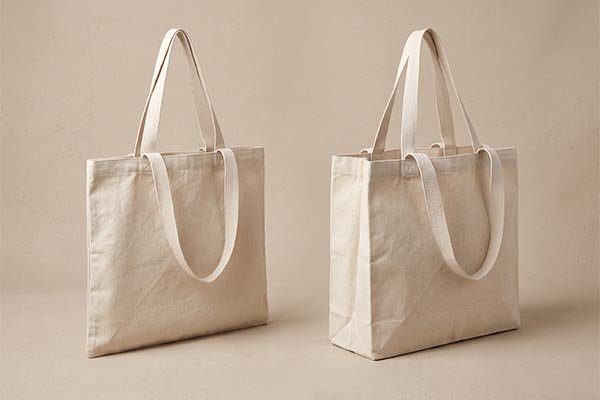
We will look at exactly how expansion panels change capacity and shape. You must align the side and bottom dimensions with your physical products before confirming any bulk manufacturing order. You can also explore these custom tote bag designs to compare different shapes and practical applications.
What Is a Gusset on a Custom Tote Bag and Why Does It Matter?
Flat bags fail to hold thick gift boxes. You force the item inside, tearing the seams. A built-in fabric extension creates the exact three-dimensional space your products demand.
A gusset is an extra piece of fabric inserted into the sides or bottom of a bag to add depth. It transforms a flat pouch into a three-dimensional carrier, directly controlling how much volume the bag holds and how it stands when placed on a table.
A gusset sewing guide1 demonstrates how these fabric sections are constructed and attached to create additional space in sewn products.
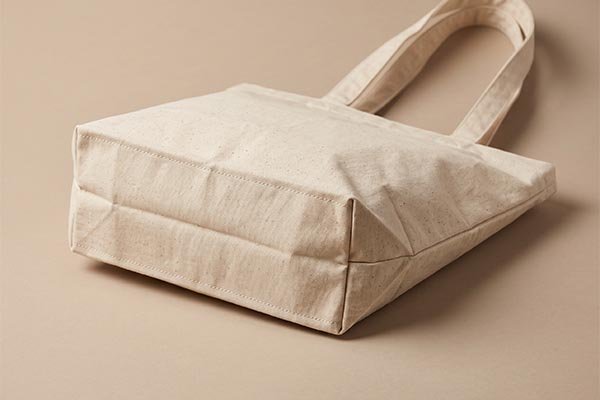
What Does a Gusset Do in Tote Bag Construction?
A gusset acts as an expansion fold. It links the front and back panels to form structural depth. A side gusset adds width to the left and right edges. A bottom gusset forms a flat floor. A side-and-bottom gusset provides expansion in all three directions. Manufacturers use different names for these cuts, so always verify the exact layout with a technical drawing. You can compare these structures in our custom bag construction guide, which illustrates different tote bag shapes, including bottom-only and full side-and-bottom designs.
How Does a Gusset Affect Tote Bag Capacity?
An expansion panel directly dictates internal space. Two bags might share an identical 30cm width, but a bag with an 8cm base will hold three folded t-shirts easily. The flat version will bulge awkwardly. For items like 200-page books or rigid cosmetics boxes, the thickness of the cargo demands specific base dimensions.
Why Does Gusset Design Matter for the Bag’s Appearance and Stability?
Structure changes proportion. A wide base gives a shopping bag a heavy, premium look. A narrow profile keeps a promotional tote looking neat. Stability relies on this base area. A wide floor helps the bag rest flat on a counter.
| Item Packed | Required Space | Structural Impact |
|---|---|---|
| 3 Folded T-shirts | Soft volume expansion | Fabric stretches slightly; side seams take pressure. |
| 1 Rigid Cosmetics Box | Exact corner clearance | Bag retains a block shape; requires exact base fit. |
| 10 Event Brochures | Minimal depth needed | Bag stays flat; base keeps papers aligned. |
What Are the Different Types of Tote Bag Gussets?
Selecting a random bag shape causes packing delays. Your team struggles to fit products into the wrong pouch format. Choose a specific expansion style tailored to your merchandise.
Flat bags lack built-in depth, ideal for thin documents. Bottom gusset bags expand at the base for moderate bulk. Side gusset bags open laterally for soft items. Full side-and-bottom gussets offer maximum three-dimensional volume, perfect for stacked retail boxes or multi-item promotional kits.
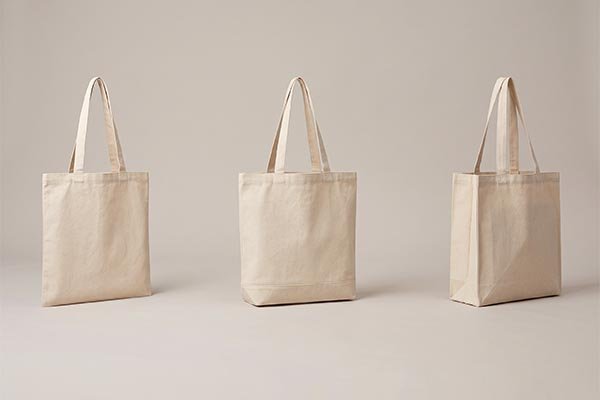
For a practical reference, this tote bag with gusset sewing tutorial2 illustrates how a bottom gusset is folded and attached. You can also compare a flat-bottom canvas tote bag with other available product designs.
What Is the Difference Between a Flat Tote Bag and a Gusseted Tote Bag?
Flat designs lack distinct side or base panels. They ship easily and cost less to produce. A flat 25cm by 30cm canvas pouch works perfectly for a single tradeshow catalog. Gusseted designs insert material to create physical volume. They allow rigid items to sit comfortably without stretching the front logo panel. For example, a foldable canvas tote bag offers a flat structure that is easy to store when not in use.
How Does a Bottom Gusset Differ from a Side Gusset?
A bottom fold expands only the base. Shoppers use these for everyday grocery bags. A side fold expands the vertical edges. You see lateral expansion on soft clothing bags where the front panel needs to stay flat. The pattern cut dictates this behavior entirely.
When Should You Choose a Side-and-Bottom Gusset?
Use a full expansion structure when you pack multiple rigid boxes. A US procurement manager packing three distinct skincare jars needs a structured floor and vertical walls. This complex shape increases manufacturing steps but delivers a premium retail presentation.
| Tote Style | الأفضل لـ | Manufacturing Complexity |
|---|---|---|
| Flat | Catalogs, single thin items | منخفضة |
| Bottom Only | Hotel welcome kits, books | متوسط |
| Full (Side & Bottom) | Multi-item retail kits | عالية |
How Do You Choose the Right Gusset Width and Depth for Your Tote Bags?
Guessing bag measurements leads to wasted budget. Your bulky items tear through tight seams during transit. You must calculate accurate depth based on actual physical products.
Determine gusset depth by measuring your exact packed items. Arrange the physical products, measure their combined thickness, and add clearance for easy removal. Never apply a standard depth to every order. Verify that the finished bag dimensions accommodate the cargo without distorting the top opening.
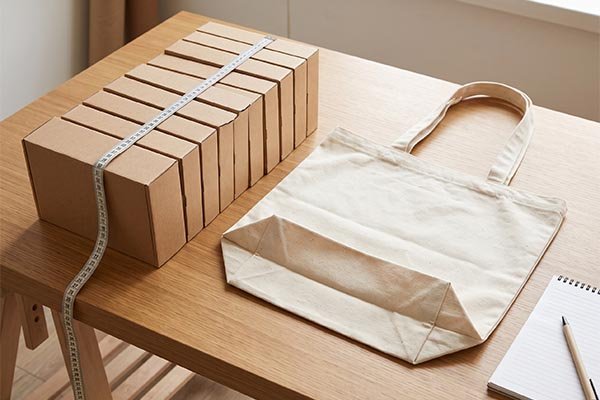
Before finalizing the dimensions, compare the measurements of your products with the custom canvas tote bag options available for different uses and material weights.
What Measurements Should You Take Before Choosing a Gusset?
Do not rely on product names. Measure the physical item length, width, and height. If you sell a 10cm wide tea tin, record the exact diameter. Determine how many units go into one package. Establish the required top opening size to ensure workers can insert the items quickly on the assembly line.
How Do You Determine the Right Gusset Width?
An 8cm thick product demands slightly more than an 8cm base. If you pack a soft cotton towel, the fabric compresses. If you pack a stiff wooden box, the corners need exact clearance. Too narrow, and the bag side seams will split. Too wide, and the empty bag loses its shape.
Why Should You Consider Gusset Depth and Finished Bag Dimensions Together?
An expanded base pulls material away from the total bag height. A 40cm tall bag with a 15cm base sits much lower than a flat 40cm bag. Test the physical layout. Build a simple cardboard model to see how the items fit.
| Product Type | Measurement Focus | Tolerance Needed |
|---|---|---|
| Apparel | Folded volume | Low (material flexes) |
| Retail Boxes | Rigid exterior corners | High (needs extra clearance) |
| Magazines | Stacked height | متوسط |
How Do Fabric Materials and Bag Construction Affect Gusset Design?
Heavy boxes break through thin fabric bases. Soft materials collapse under their own weight, ruining your display. You must match the structural fold to the correct fabric weight.
Thick canvas holds crisp structural folds, while soft cotton drapes loosely. Lightweight non-woven materials require specific heat-sealing or stitching techniques for their bases. You cannot apply one structural design to every fabric. Heavy loads demand reinforced bottom seams or rigid inserts to maintain the bag’s intended shape.
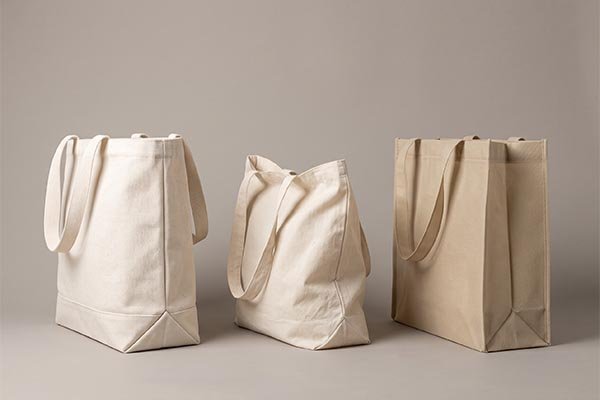
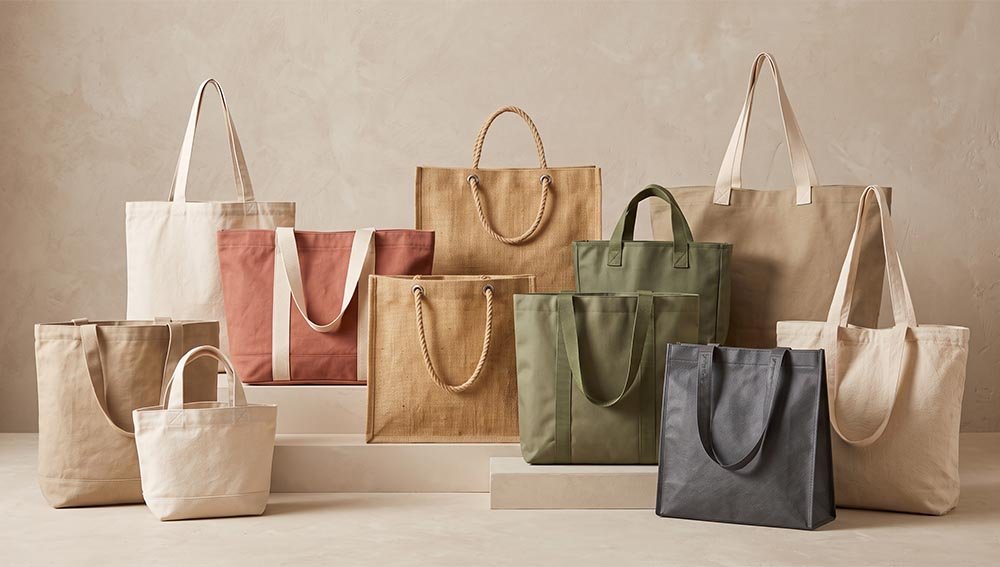
For a broader material comparison, explore our cotton and canvas bags و non-woven bag collection. These materials offer different structural properties and manufacturing options.
How Does Canvas Affect Gusset Shape and Structure?
A heavy 12oz canvas creates a sharp, defined base. The bag holds a rigid boxy shape on a retail shelf. A thin 5oz cotton bag falls flat immediately. Thick materials make the side seams harder to sew, requiring specialized factory equipment.
إن canvas fabric guide3 explains how weave structure, fabric weight, and stiffness influence shape retention and sewing requirements.
Why Do Lightweight Non-Woven and Cotton Bags Need Different Considerations?
Non-woven fabrics dominate high-volume promotional orders. Factories often use ultrasonic heat-pressing for the seams instead of thread. This limits how complex the base fold can be. Cotton behaves differently. It stretches and absorbs tension. A cotton base fold will round out under a heavy load. For lightweight promotional applications, compare our custom non-woven tote bags to understand how material and construction work together.
When Does a Gusset Need Extra Reinforcement?
A deep floor panel does not guarantee high weight capacity. If a UK buyer packs three heavy glass jars into a recycled PET bag, the bottom will sag. You must specify structural support. Factories can double-stitch the side seams or insert a rigid plastic base board. Base boards distribute weight evenly and prevent the fabric from tearing at the corners.
For additional information on cotton fabric characteristics, Cotton Incorporated’s textile resources4 provide educational information about fabric properties, textile terminology, and common fabric defects.
| Fabric Type | Structural Behavior | Best Gusset Style |
|---|---|---|
| 12oz Canvas | Stiff, holds shape well | Full side and bottom |
| Non-woven | Lightweight, creases easily | Bottom only |
| Soft Cotton | Drapes, rounds under weight | Flat or bottom only |
What Should You Check Before Approving a Custom Tote Bag Gusset for Bulk Production?
Mass producing the wrong size ruins entire product launches. You discover the boxes don’t fit only after delivery. You must test a physical sample before approving the mass run.
Always test a pre-production sample with the exact items you plan to carry. Confirm the finished dimensions, base width, and side panels. Check that the bag closes easily and remains balanced when lifted. Record all exact measurements in a specification sheet for the factory to follow.
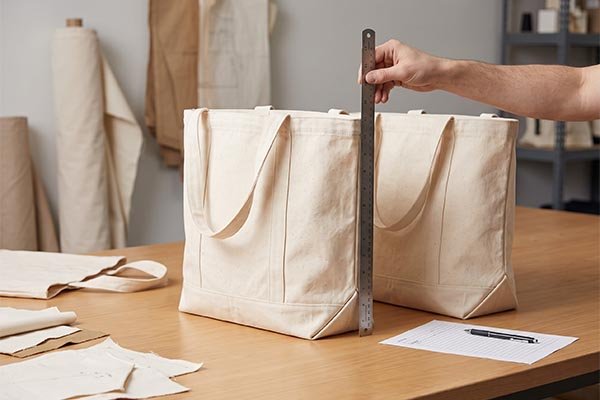
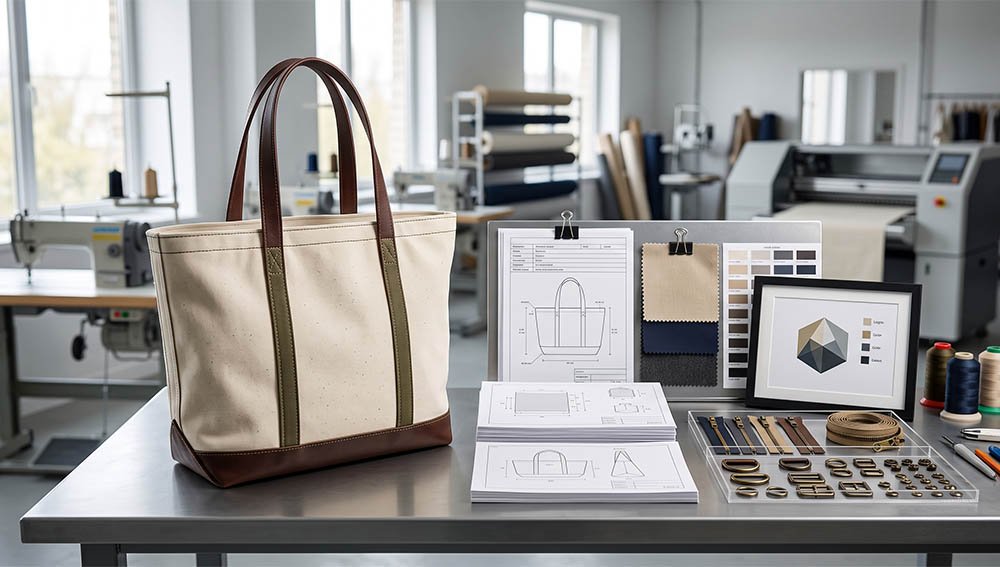
You can review our custom bag production process to understand the available structural options and how to communicate your requirements before sampling.
What Should Be Included in the Gusset Specification Sheet?
Document the exact width, height, and depth in millimeters. State clearly if the depth measures the flat folded fabric or the fully opened base. List the fabric weight and confirm whether a rigid bottom board is included. Write down the exact stitching requirements for the side panels.
How Should You Test Gusset Design During Sampling?
Load the sample bag with your actual merchandise. Side reinforcement details strongly influence the final appearance. A wide bottom does not always solve capacity problems. My experience shows that you must match the structural reinforcement to the cargo. Lift the packed bag by the handles. Watch the side panels. If they distort heavily, the bag needs a different cut.
Why Should You Confirm Gusset Measurements Before Mass Production?
Small measurement errors multiply during a 10,000-unit factory run. If you change the fabric thickness at the last minute, the internal capacity shrinks. Establish clear dimensional tolerances with your manufacturer. Provide them with the physical dimensions of your product boxes so they can engineer the exact fabric cut.
| Verification Step | Purpose | الإجراء المطلوب |
|---|---|---|
| Load Test | Prove capacity | Insert actual physical products |
| Handle Lift | Check weight distribution | Lift and observe side panel tension |
| Spec Sheet Update | Lock manufacturing details | Record exact final measurements |
الخاتمة
Base your custom bag dimensions on the physical items you need to pack. Choose the right fabric, define the exact structure, and test a physical sample before starting bulk manufacturing.
Frequently Asked Questions
Q: Does adding a gusset increase the manufacturing cost of a custom tote bag?
A: Yes. Flat bags require minimal cutting and sewing. Adding a bottom or side panel requires extra fabric, more sewing steps, and sometimes specialized factory equipment, which raises the final unit price.
Q: Can I print my logo on the side or bottom gusset?
A: You can print on side panels, but keep the artwork simple to avoid distortion along the fold lines. Bottom panels are rarely printed because they rest on surfaces and get dirty quickly.
Q: Is the Minimum Order Quantity (MOQ) higher for bags with complex gusset structures?
A: Usually, no. The MOQ generally depends on the fabric type, custom dyeing requirements, or specialized printing methods rather than the physical shape of the bag itself.
Q: How much does a full side-and-bottom gusset increase shipping volume?
A: A bag with a rigid base board or thick canvas gusset folds bulkier than a flat pouch. This means fewer units fit into a standard export carton, which will increase your per-unit freight cost.
Q: What is the standard size tolerance for gussets in bulk production?
A: For woven fabrics like cotton or canvas, expect a manufacturing size tolerance of around 1 to 2 centimeters. Soft materials shift during bulk cutting and sewing.
Q: Will a cotton bag’s gusset shrink and lose its shape after washing?
A: Untreated natural cotton shrinks by about 5% to 8% in water. If your packaging relies on an exact millimeter fit for a rigid retail box, use pre-shrunk cotton or switch to a synthetic material like rPET.
Q: Are rigid base boards permanently sewn into the bottom or are they removable?
A: We can manufacture both. Removable plastic or cardboard inserts drop inside the bag and cost less. Sewn-in boards provide a cleaner premium look, but they increase assembly time.
Q: Does a reinforced base board affect the eco-friendly status of the bag?
A: It can. If you place a virgin plastic PE board inside a biodegradable cotton bag, the final product is no longer 100% compostable. Ask your supplier for recycled cardboard or double-layered fabric instead.
Q: Can the gusset panels be a different color from the main body?
A: Yes. Using a darker color for the bottom or side panels is a smart B2B design choice. It hides floor dirt and wear while keeping your main front branding area bright and clean.
Q: Does a complex gusset design increase the manufacturing lead time?
A: Complex stitching takes longer on the factory floor. A standard bottom fold adds almost no extra time, but a fully structured box-tote with edge piping and custom base inserts will extend your production schedule by a few days.
-
Andrie Designs explains how gussets are inserted into bags and how careful sewing helps create clean seams and structured shapes. ↩
-
Kokka Fabrics provides a step-by-step tutorial showing how to construct a tote bag with a bottom gusset, including measurements and fabric preparation. ↩
-
Stitch Toolkit explains canvas construction, including weave density, stiffness, weight, shape retention, and practical sewing considerations. ↩
-
Cotton Incorporated offers textile education resources, including a textile encyclopedia, fabric terminology, and information about common fabric defects. ↩
 English
 Deutsch
 Español
 Português
 Русский
 العربية
 Français
 Italiano
 日本語
 한국어
 Dansk