الانتقال إلى المحتوى

Seasonal demand can change quickly, and wholesale buyers who plan too late may face limited product choices, rushed production, and excess inventory.
Wholesale buyers can plan seasonal bag collections by combining year-round products with seasonal and holiday-specific styles. Early product selection, material planning, sampling, and production scheduling help distributors meet retail demand while keeping purchasing costs and inventory risks under control.

For wholesalers and distributors, seasonal planning involves more than choosing bags for spring, summer, fall, or winter. Buyers also need to understand the needs of their retail customers, decide which products deserve larger orders, and prepare for important shopping periods. A well-organized collection gives retailers more choices without making the product range too difficult to manage. The following sections explain how buyers can build seasonal bag collections and prepare their supply chains for each selling period.
Why Does Seasonal Planning Matter for Wholesale Buyers?
Retail demand changes throughout the year, but wholesale buyers often need to make purchasing decisions months before products reach store shelves. Poor timing can lead to missed sales opportunities or products arriving after the main selling period.
Seasonal planning helps wholesale buyers prepare suitable products for different retail markets, organize purchasing schedules, and maintain a balanced product range throughout the year.
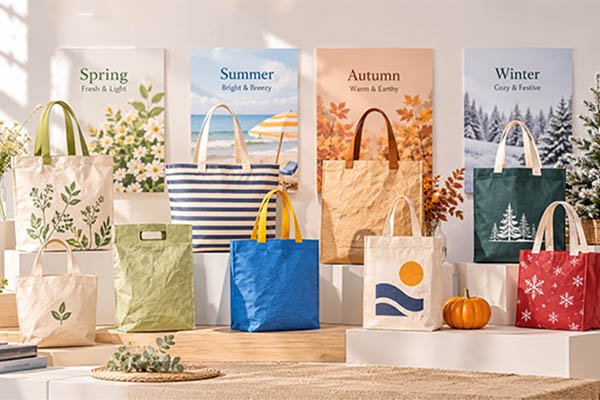
A wholesale bag collection should meet the needs of different customers and selling channels. A gift shop may need small printed bags for holiday packaging, while a fashion boutique may prefer canvas totes with seasonal colors. Distributors also need to consider their own inventory levels and the time required to receive goods from manufacturers. When buyers plan these needs together, they can make better purchasing decisions and give their retail customers more reliable product options.
Understanding Seasonal Demand Across Retail Channels
Different retail channels have different reasons for purchasing seasonal bags. Fashion boutiques often update their collections to match seasonal colors and clothing trends. Gift shops need products for birthdays, holidays, and special occasions. Supermarkets and department stores may focus more on reusable shopping bags and practical everyday products.
Distributors that serve several types of retailers should avoid building a collection around only one customer group. A useful product range can include classic canvas tote bags, lightweight shopping bags, printed gift bags, and selected seasonal styles.
For example, a US distributor supplying independent gift shops and lifestyle stores could offer natural cotton totes throughout the year. The same collection could include pastel printed bags for spring and darker canvas bags for the fall season. This gives retailers different choices without requiring the distributor to replace the entire product range.
Why Wholesale Buyers Need to Plan Ahead
Custom bags require time for product development and production. Buyers may need to confirm dimensions, fabric specifications, printing methods, labels, and packaging before a factory can start bulk production.
Late planning can create several problems:
- Popular fabric colors may become harder to source.
- Sample approval may take longer than expected.
- Production schedules may become crowded before major holidays.
- International shipping may not meet the retailer’s planned launch date.
Buyers should also collect demand information from their retail customers early. A distributor that supplies 20 independent stores may need different quantities and designs for each customer. Early communication helps the buyer combine orders and discuss realistic production quantities with the manufacturer.
Balancing Seasonal Products with Year-Round Bestsellers
Seasonal products can bring new interest to a collection, but basic products often provide more consistent sales opportunities. Classic cotton canvas totes, reusable shopping bags, and simple drawstring bags can serve customers throughout the year.
I recommend keeping a group of core products in every wholesale collection. Buyers can then add seasonal designs without replacing products that already have established demand.
A practical collection may include:
| Product Group | Suitable Products | Sales Period |
|---|---|---|
| Core products | Natural canvas totes, reusable shopping bags | Year-round |
| Spring/Summer | Beach bags, lightweight totes, jute bags | Spring and summer |
| Fall/Winter | Felt bags, heavyweight canvas bags | Fall and winter |
| Holiday products | Printed gift bags, Christmas shopping bags | Specific holidays |
This approach also helps distributors manage repeat orders. Retail customers can reorder familiar products while testing new seasonal designs in smaller quantities.
For buyers comparing different bag styles and materials, our wholesale tote bag collection provides additional product options.
How Should Buyers Organize Spring/Summer and Fall/Winter Collections?
A seasonal collection should reflect how customers use bags during different times of the year. Buyers who select products based on real retail needs can build a more useful assortment than those who simply follow seasonal colors.
Spring/Summer collections often focus on lightweight materials, outdoor activities, and everyday shopping. Fall/Winter collections can include heavier fabrics, gift bags, and products designed for holiday shopping.
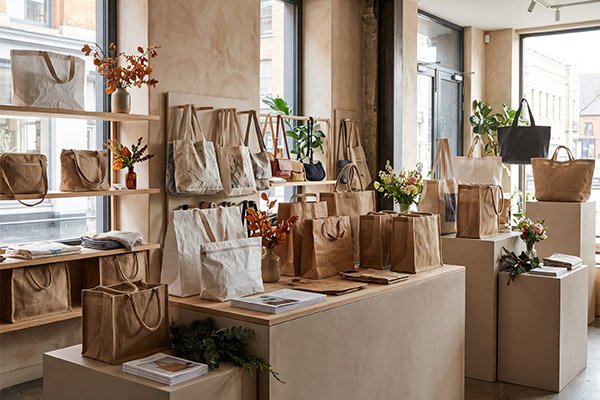
The goal is to create two recognizable seasonal product groups while keeping enough flexibility for different retail customers. A distributor does not need a completely new bag structure for every season. Changes in material weight, color, printing, and product size can give an existing design a different market position.
Planning Spring/Summer Bag Collections
Spring and summer bring more outdoor activities, travel, shopping, and leisure-related purchases. Buyers can build collections around products that are easy to carry and suitable for everyday use.
Suitable products include:
- Canvas Tote Bags: A practical choice for fashion boutiques, lifestyle stores, and everyday shopping.
- Jute Bags: Suitable for natural-style retail collections, gift shops, and reusable shopping products.
- Beach Bags: Useful for travel stores, resort shops, and summer retail promotions.
- Lightweight Shopping Bags: A good option for supermarkets and general retailers.
- Printed Promotional Bags: Suitable for seasonal campaigns, brand events, and marketing projects.
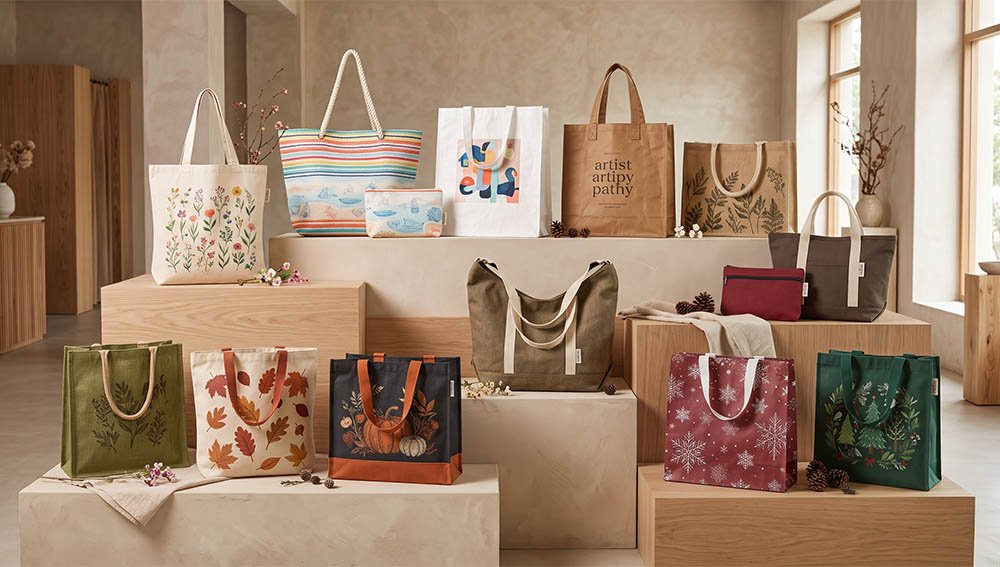
For spring collections, buyers can consider sage green, pastel pink, light blue, and natural beige. Summer collections may use brighter colors and larger printed designs.
Material selection also matters. A lightweight cotton fabric may work well for a simple shopping tote, while a larger beach bag may need a stronger fabric and more carrying capacity. Buyers should match the product structure to its intended use instead of selecting materials based on appearance alone.
For example, buyers interested in natural-fiber products can explore our custom jute bag manufacturing options when developing summer shopping and gift collections.
Planning Fall/Winter Bag Collections
Fall and winter collections often include more gift-related products and heavier materials. Retailers may also look for bags that match seasonal clothing, home products, and holiday displays.
Suitable products include:
- Heavyweight Canvas Bags: Suitable for durable everyday shopping and lifestyle products.
- Felt Bags: Useful for seasonal gift collections and boutique retail.
- Cotton Gift Bags: Suitable for reusable gift packaging and branded presents.
- Custom Shopping Bags: A practical choice for stores preparing for the holiday shopping season.
- Structured Tote Bags: Suitable for retail brands that want a more defined product appearance.
Colors such as burgundy, dark green, chocolate brown, charcoal, and beige can help create a fall or winter collection. Buyers can also consider thicker cotton canvas and felt when the product concept calls for a heavier appearance.
However, a winter collection does not need to consist entirely of thick materials. Classic cotton totes and reusable shopping bags can still sell during colder months, especially when retailers use seasonal prints and packaging.
Creating a Balanced Seasonal Product Assortment
A strong seasonal collection needs a clear product structure. Wholesale buyers can divide their products into three groups: core products, seasonal products, and limited-time products.
Core products remain available throughout the year. Seasonal products receive changes in color, material, or style. Limited-time products are developed for specific events or short selling periods.
Consider a distributor supplying lifestyle stores in the United Kingdom. Its regular collection could include natural cotton totes, black shopping bags, and simple zipper pouches. For spring, the distributor could add pastel printed totes. For fall, it could introduce felt bags and darker canvas styles.
This structure allows the distributor to offer new products without creating too many completely different items. It also makes product catalogs easier for retail buyers to understand. Each group has a clear purpose, and retailers can select products according to their own sales plans.
How Can Holiday Products Fit Into a Seasonal Bag Collection?
Major holidays create additional purchasing opportunities for wholesalers and distributors. Retail customers often need special products for gift packaging, seasonal promotions, and themed shopping displays.
Holiday products should form part of the wider seasonal collection. Buyers can develop selected holiday designs using existing bag styles, shared materials, and suitable seasonal printing instead of creating too many new products.
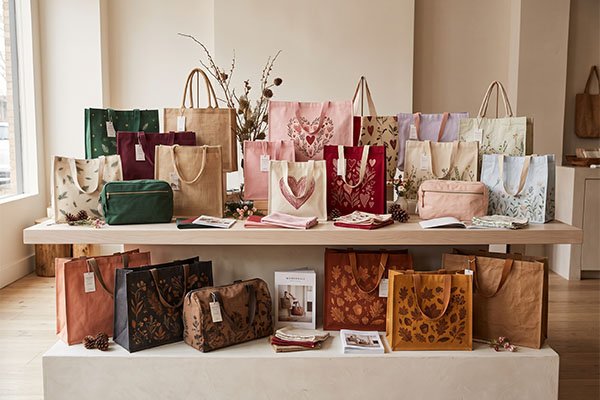
Holiday purchasing often follows a different schedule from regular seasonal orders. Retailers need products to arrive before their promotional periods begin. Buyers should therefore identify important holidays early and decide which products deserve dedicated development. A small number of well-planned holiday styles can add value to a collection without making inventory management difficult.
Planning Bags for Valentine’s Day and Easter
Valentine’s Day and Easter create opportunities for gift shops, lifestyle stores, and seasonal retail collections.
Valentine’s Day bags often use red, pink, cream, and romantic printed designs. Small cotton gift bags, printed totes, and reusable packaging bags can fit this market. Some retailers may also want custom logo printing to connect the packaging with their own brand identity.
Easter collections usually work well with pastel colors, soft prints, and spring-related graphics. Small cotton bags and lightweight shopping totes can be used for gifts, seasonal products, and store promotions.
Buyers should think about the selling period after each holiday. A red cotton tote with a simple design may continue to sell after Valentine’s Day, while a bag printed with a large holiday message may have a shorter selling period.
The product design should reflect the retailer’s sales plan. If a distributor supplies several stores, more general spring-themed designs may offer greater flexibility than highly specific holiday graphics.
Preparing Collections for Halloween and Thanksgiving
Halloween and Thanksgiving create a different set of product requirements for the North American market.
Halloween bags often use orange, black, purple, and themed graphics. Small tote bags can work as candy bags, while larger printed shopping bags may suit seasonal store promotions.
Thanksgiving collections can focus on autumn colors and reusable shopping products. Brown, beige, dark green, and natural cotton colors are suitable for this period. Retailers may also prefer simple designs that can remain in their product range after the holiday.
Buyers should avoid ordering too many products that only work for one specific date. A natural cotton tote with a small autumn print may serve both Thanksgiving promotions and general fall retail sales.
Distributors can also use shared bag sizes and fabric colors across different seasonal orders. This reduces the number of separate product specifications and makes purchasing easier to manage.
Developing Christmas and Holiday Gift Collections
Christmas is one of the main holiday periods for gift-related retail products. Retailers, gift companies, and corporate buyers may all need custom bags during this time.
Suitable products include:
- Christmas Gift Bags: Cotton or non-woven bags with seasonal prints.
- Branded Gift Bags: Reusable bags featuring a retailer’s logo.
- Reusable Shopping Bags: Practical bags for holiday shopping.
- Corporate Gift Bags: Custom bags used for employee gifts and client presents.
- Premium Gift Packaging: More detailed bags with custom labels, special printing, or upgraded materials.
For example, a distributor supplying gift shops in the United States may prepare a Christmas collection with natural cotton totes, red drawstring bags, and branded gift bags. Different stores can select the products that match their budgets and customer groups.
Buyers should confirm artwork, colors, packaging, and quantities well before the holiday season. Printing and special labels may require additional approval time. A late change to the artwork can also affect the production schedule.
For additional guidance on retail buying schedules and preparing seasonal product assortments, buyers can refer to Etsy Seller Handbook’s wholesale buying calendar.
Avoiding Too Many Holiday-Specific SKUs
A common purchasing mistake is creating a separate bag design for every holiday. This can make a product catalog difficult to manage and increase the risk of unsold inventory.
Buyers can control this problem by using shared product specifications. One cotton tote structure can support several printed designs. The same fabric color may also work for different seasonal collections.
For instance, a natural canvas tote can be used for an Easter collection with pastel printing, a fall collection with an autumn graphic, and a Christmas collection with a small holiday design.
This method gives retailers more choices without requiring distributors to purchase many unrelated products. It also allows manufacturers to work with familiar materials and production methods.
The best holiday collection is not always the largest one. A focused range with clear product uses is often easier for wholesale buyers to sell and restock.
How Should Buyers Coordinate Colors, Materials, and Product Assortments?
A seasonal collection needs a consistent appearance across different bag styles. If buyers select colors and materials without a clear plan, the final product range may look disconnected and become harder for retailers to present.
Wholesale buyers should coordinate seasonal colors, suitable materials, and shared product specifications to create a consistent collection that serves different retail needs without adding unnecessary purchasing complexity.
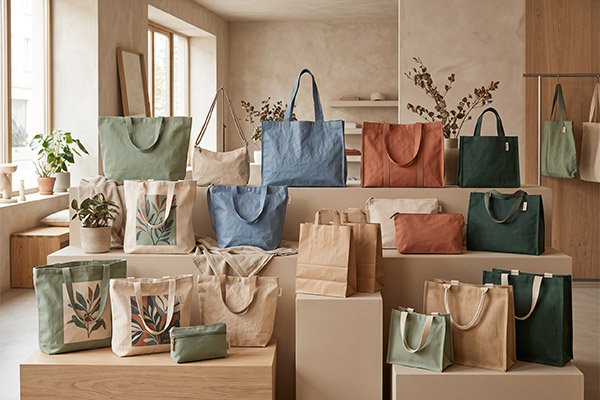
Color and material decisions affect more than the appearance of a bag. They also influence product costs, printing results, lead times, and minimum order quantities. Buyers should consider these factors when developing a collection, especially when several bag styles will share the same material or color system.
Choosing Seasonal Color Palettes
A clear color plan helps different products look like part of the same collection. Buyers can select a small group of main colors and use them across several bag styles.
| Collection | Suggested Colors | Suitable Products |
|---|---|---|
| Spring/Summer | Pastel pink, sage green, light blue, natural beige | Canvas totes, beach bags, jute bags |
| Fall/Winter | Burgundy, dark green, chocolate brown, charcoal | Felt bags, heavyweight canvas totes |
| Holiday | Red, forest green, gold, cream | Gift bags, shopping bags, drawstring bags |
| Year-round | Natural cotton, black, navy, beige | Shopping bags, classic totes, pouches |
Buyers should also consider their retail customers’ brand colors. A distributor serving several private-label brands may need different logo colors and printing options even when the bag structure remains the same.
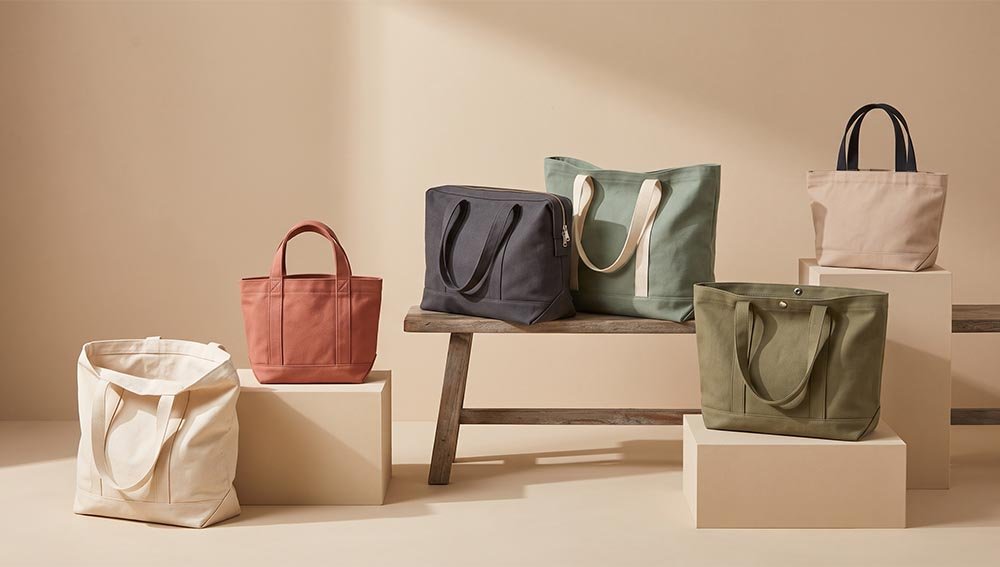
Natural cotton and neutral colors are useful starting points because they work with many printing designs. They can also help reduce the need to develop a completely new fabric color for every collection.
Matching Materials with Seasonal Product Needs
Different materials serve different product purposes. Buyers should choose them based on the expected use, target price, appearance, and production requirements.
- Cotton Canvas: Suitable for everyday totes, shopping bags, gift bags, and reusable retail products.
- الجوت: A common choice for natural-style shopping bags and gift collections.
- rPET: Suitable for brands that want to use recycled polyester materials in their product ranges.
- Felt: Useful for gift products, seasonal collections, and bags with a softer appearance.
- Non-Woven Fabric: Suitable for cost-conscious bulk orders, promotional campaigns, and shopping bags.
- Tyvek: A lightweight material option for creative merchandise, branded products, and distinctive bag designs.
A material should not be selected only because it matches a particular season. Cotton canvas, for example, can remain in a year-round collection. Buyers should focus on the product’s intended use and the requirements of their retail customers.
They should also confirm material specifications with the manufacturer. Fabric weight, thickness, color availability, and printing compatibility can affect the final product and its cost.
Buyers looking for more information about cotton and canvas bag options can explore our cotton bags wholesale manufacturing solutions.
Using shared materials is a practical way to develop a larger collection without making purchasing too complicated.
A distributor could use one natural cotton canvas fabric to develop several products:
- A classic tote bag for lifestyle stores.
- A zipper tote for customers who want more secure storage.
- A small cotton gift bag for seasonal packaging.
- A drawstring bag for promotional projects.
- A shopping bag for everyday retail use.
These products have different functions, but they can share a similar material and color direction.
This approach can make material sourcing more efficient. It may also help buyers discuss combined purchasing plans with manufacturers. However, different product structures and printing requirements can still affect individual MOQs and production costs.
I recommend deciding which materials will support the largest part of the collection before adding special fabrics. Buyers can then introduce selected materials for products that need a different appearance or function. This gives the collection variety without making every product a separate sourcing project.
When Should Buyers Start Design, Sampling, and Production?
A seasonal collection can lose its value if products arrive after the main selling period. Wholesale buyers need to plan production around the date when retailers expect to receive their goods.
Buyers should work backward from the required delivery date and allow time for product planning, artwork approval, sample development, material sourcing, bulk production, quality inspection, and shipping.

Custom bag production involves several connected stages. A change in fabric, dimensions, printing, or construction can affect later work. Buyers who confirm specifications early can reduce unnecessary changes and give manufacturers more time to arrange materials and production schedules.
Start Product Planning Before the Selling Season
The first step is to understand when retail customers need their products.
A distributor preparing a Christmas collection for US gift shops should not wait until October to begin product development. The distributor needs time to collect customer requirements, select products, approve designs, and arrange production before the holiday shopping period.
Buyers should prepare a basic product plan that includes:
- Target selling period and required delivery date.
- Product types and estimated quantities.
- Material and color preferences.
- Printing and branding requirements.
- Packaging and shipping arrangements.
This information gives manufacturers a clearer starting point. It also helps buyers identify products that may need special materials or longer development time.
Allow Time for Design Development and Sampling
Sampling allows buyers to check whether the product matches their expectations before bulk production.
For custom bags, the sample process may include:
- Confirming dimensions, fabric weight, and bag construction.
- Selecting colors and printing methods.
- Preparing artwork and logo files.
- Producing the sample.
- Checking stitching, printing, dimensions, and overall appearance.
- Approving the final specifications for bulk production.
Buyers should pay close attention to logo placement and print quality. A design that looks correct on a computer screen may appear different when printed on the actual fabric.
For multi-product collections, buyers can start with representative samples that use shared materials. This helps them review the overall collection before approving every product variation.
لدينا custom bag development and order progress guide explains how product requirements, mockups, sampling, order confirmation, and bulk production fit together.
Coordinate Material Sourcing and Bulk Production
After sample approval, the manufacturer can arrange materials and prepare the production plan.
Buyers should confirm whether all required fabrics, colors, labels, zippers, and other accessories are available. Special fabric colors or custom components may require additional sourcing time.
Bulk production usually involves several stages:
- Fabric inspection and preparation.
- Cutting and printing.
- Sewing and assembly.
- Finished product inspection.
- Packing and shipment preparation.
Buyers should also agree on quality requirements before production starts. Important details may include fabric weight, finished dimensions, print position, stitching standards, and acceptable color differences.
A clear specification sheet helps reduce misunderstandings between the buyer and manufacturer. It also gives the quality control team a reference when checking products from different production batches.
Build a Backward Production Timeline
A backward timeline starts with the required delivery date and works back through each production stage. The following table provides a general planning example.
| Production Stage | Suggested Timing Before Selling Season |
|---|---|
| Market and product planning | 6–9 months |
| Design and specification confirmation | 5–7 months |
| Sample development and approval | 4–6 months |
| Material sourcing and bulk production | 2–4 months |
| Quality inspection and shipping | 1–2 months |
These stages can overlap, and the actual schedule depends on product complexity, order quantity, material availability, and shipping arrangements.
A simple printed cotton tote may need less development time than a structured bag with several compartments, custom labels, and special hardware. Holiday orders may also need more time because buyers often work with fixed retail launch dates.
For international orders, buyers should include transportation and customs clearance in their planning. The factory completion date is not the same as the date when products arrive at the customer’s warehouse.
إن University of Rhode Island Small Business Development Center’s holiday supply chain planning guide1 also highlights the importance of reviewing supplier lead times, freight costs, and inventory requirements before peak retail periods.
How Can Wholesale Buyers Reduce Seasonal Inventory Risks?
Seasonal products can create sales opportunities, but poor purchasing decisions can leave distributors with products that are difficult to sell after the season ends.
Wholesale buyers can reduce seasonal inventory risks by controlling SKU quantities, choosing versatile designs, understanding MOQs, and working with manufacturers that support flexible product development.
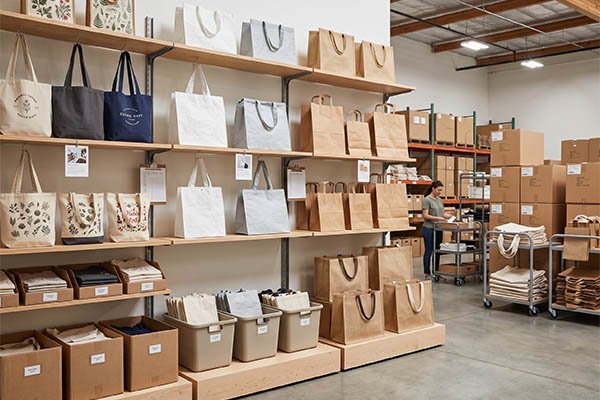
Inventory planning should begin when buyers decide which products to include in a collection. The number of designs, colors, sizes, and materials all affect purchasing complexity. A smaller collection with clear market demand can be easier to manage than a large collection built around untested ideas.
Avoid Overcommitting to Seasonal Products
Buyers should be careful when ordering products that have a short selling period. A bag with a large Christmas graphic may be difficult to sell after December, even if the product itself is well made.
For new designs, buyers can start with quantities that match realistic customer demand. They should also consider previous sales records, customer feedback, and confirmed retail orders before increasing purchasing quantities.
A distributor that supplies 15 gift shops may find that only six stores want a particular Halloween design. Ordering the same quantity for every customer would create unnecessary stock.
Buyers should separate confirmed demand from estimated demand. This makes it easier to decide which products need larger orders and which should remain limited seasonal additions.
Prioritize Versatile Designs and Reusable Materials
Products with longer selling periods can help balance seasonal purchasing risks.
A natural cotton canvas tote is a good example. It can be sold as a regular shopping bag, a branded promotional product, or a gift bag. Buyers can change the printed design or label to serve different customer groups.
Some practical ways to extend product use include:
- Using neutral fabric colors that work across different seasons.
- Keeping standard bag sizes for several product collections.
- Choosing simple prints that do not depend on one holiday.
- Using removable or replaceable packaging elements where practical.
- Developing several designs around the same basic bag structure.
These choices can reduce the number of completely different products in a collection. They also make it easier for distributors to offer products to customers with different requirements.
Manage MOQs and Purchasing Quantities Carefully
Minimum order quantities can affect the cost and flexibility of seasonal collections. A buyer who wants five colors and four sizes may face a much more complicated purchasing plan than a buyer who uses two main colors and a smaller number of product variations.
Before confirming an order, buyers should ask manufacturers about:
- MOQ per product style.
- MOQ per fabric color.
- Printing setup and related costs.
- Whether different designs can share the same fabric.
- Whether production can be arranged in separate batches.
- How changes in quantity may affect unit prices.
For instance, a buyer developing three cotton tote designs may be able to use the same natural canvas fabric across all three products. The printing designs can differ, but the shared material may simplify sourcing.
Buyers should not assume that all designs can automatically be combined under one MOQ. Printing methods, bag dimensions, and production processes may create separate requirements.
The best approach is to discuss the full collection with the manufacturer before finalizing quantities. This allows both sides to review the production plan and identify practical ways to control costs.
Work with a Manufacturer That Supports Flexible Product Development
A seasonal collection often includes several products with different materials, sizes, and printing requirements. Working with a manufacturer that can support these needs can make the development process easier.
Buyers should look for a supplier that can provide:
- Different bag materials and product categories.
- OEM and ODM product development.
- Custom sizes, colors, printing, and labels.
- Sample production before bulk orders.
- Clear quality inspection procedures.
- Production coordination and export support.
At Avecobaggie, we have more than 15 years of experience in the bag manufacturing industry. We work with international brands, wholesalers, distributors, and business buyers to develop custom bags for different market needs.
Our product range includes cotton bags, canvas bags, jute bags, rPET bags, Tyvek bags, washable paper bags, non-woven bags, Oxford cloth bags, drawstring bags, and backpacks.
We support product development from material selection and sampling to printing, sewing, quality inspection, and packaging. Buyers can discuss different bag styles within one product collection and explore suitable materials and specifications for their target markets.
For distributors planning new seasonal collections, early communication with the manufacturer can help clarify MOQs, sample requirements, production schedules, and expected costs before orders are confirmed.
إن Target Accelerators guide to preparing for fourth-quarter sales2 offers additional insights into seasonal retail demand, inventory preparation, and planning for holiday sales.
الخاتمة
Successful seasonal bag planning starts with the right product mix, early purchasing decisions, and reliable production support. A well-planned collection helps wholesalers serve retail customers, manage inventory, and prepare for changing market demand.
Frequently Asked Questions
Q: What Information Should Wholesale Buyers Include in a Seasonal Bag Product Catalog?
A: A seasonal bag catalog should include product photos, dimensions, material specifications, available colors, printing options, MOQ, and estimated lead times. Buyers should also provide clear product codes and specification sheets to help retail customers compare products and place orders.
Q: How Can Distributors Present Custom Bag Collections to Retail Buyers?
A: Distributors can organize their catalogs by product category, intended use, price range, and target retail channel. Lifestyle images, material samples, and clear product specifications can help retailers understand the collection and select suitable products for their stores.
Q: What Is the Difference Between OEM and ODM Services for Wholesale Bag Collections?
A: OEM services allow buyers to provide their own designs and specifications for manufacturing. ODM services allow buyers to work with manufacturers that provide existing designs or product development support. Both options can support private-label bag collections, depending on the buyer’s requirements.
Q: How Can Wholesale Buyers Protect Their Custom Bag Designs?
A: Buyers can use written agreements to define ownership of artwork, product designs, logos, and custom specifications. They should also share design files only with authorized suppliers and clarify whether manufacturers can reproduce or sell similar designs to other customers.
Q: What Quality Control Standards Should Buyers Request for Custom Bags?
A: Buyers should establish clear inspection standards for fabric quality, stitching strength, dimensions, printing accuracy, color consistency, and hardware performance. They can also request pre-production samples and finished product inspection reports to help maintain consistent quality.
Q: Can Wholesale Buyers Combine Different Bag Styles in One Purchase Order?
A: Yes, buyers can discuss combining different bag styles in one purchase order when the manufacturer supports multiple product types. The final arrangement depends on material requirements, production processes, individual MOQs, and manufacturing capacity.
Q: What Printing Methods Are Suitable for Different Types of Custom Bags?
A: Screen printing is suitable for many cotton canvas and non-woven bags, especially for simple logo designs. Digital printing can support more detailed artwork, while heat transfer printing may work for selected fabric applications. Buyers should confirm fabric compatibility, print durability, and cost with the manufacturer before production.
Q: How Can Buyers Evaluate a New Bag Manufacturer Before Placing a Bulk Order?
A: Buyers should review the manufacturer’s product experience, material options, production facilities, sample quality, communication, and export experience. They can also request business references, relevant certifications, and a small trial order to assess production consistency and service quality.
Q: What Documents Are Usually Required for International Wholesale Bag Shipments?
A: Common export documents include a commercial invoice, packing list, and bill of lading or air waybill. Depending on the destination, product materials, and shipping terms, buyers may also need certificates of origin, customs declarations, or other supporting documents.
Q: How Can Wholesale Buyers Maintain Consistent Quality Across Repeat Bag Orders?
A: Buyers should keep approved samples, product specification sheets, artwork files, material details, and inspection records for every order. They should also confirm whether the manufacturer will use the same fabric specifications, printing standards, and construction methods for future production batches.

 English
 Deutsch
 Español
 Português
 Русский
 العربية
 Français
 Italiano
 日本語
 한국어
 Dansk