Skip to content

Neoprene is very different from standard materials like canvas or nylon. If you choose the wrong printing method, the logo might crack, fade, or peel off quickly. This can ruin your brand image. You need to know which method works for this unique fabric.
The best printing methods for neoprene bags depend on your design and order size. Screen printing with elastic ink is the safest choice for simple logos and durability. Dye sublimation is best for full-color designs on light fabrics. Heat transfer works for quick, short-term projects but may peel over time.

You have many choices for printing, but not all of them work well on spongy rubber material. We need to look at why neoprene is so difficult to print on.
How Does Neoprene Fabric Impact Printing Results?
Neoprene is a synthetic rubber that is soft, thick, and stretchy. These features make it great for protection, but they make printing very hard. Standard inks do not stick well to it.
Neoprene fabric impacts printing results because of its high elasticity and thickness. If the ink is not flexible, it will crack when the bag stretches. The sponge-like texture also reacts to heat and pressure, which can leave permanent marks or distort the logo during the printing process.
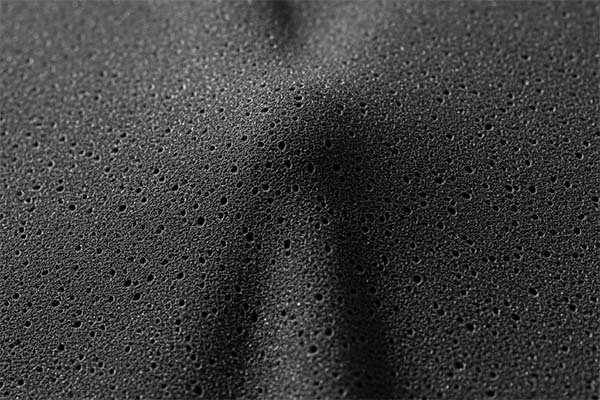
Neoprene is not just a piece of cloth. It is a sandwich material. It usually has fabric on the outside and rubber foam in the middle. This structure creates specific challenges for printing. First, there is the issue of elasticity. Neoprene bags are often used for laptop sleeves or bottle holders. People pull and stretch them. If you put standard hard ink on this soft surface, the ink will break when you pull the bag. It is like trying to paint on a balloon.
Second, you must think about heat and pressure. Many printing methods use high heat to fix the ink. But neoprene is a foam. If you press it too hard with a hot iron, the foam will crush. It might not bounce back to its original shape. You might see a square mark around your logo where the machine pressed down. Also, the surface of neoprene is textured. It is not perfectly smooth like paper. This means fine lines in your design might get lost in the texture of the fabric. You need to understand these physical limits before you pick a method.
What Printing Options Work Best on Neoprene Bags?
There are four main ways to put a logo on a neoprene bag. Each one has good points and bad points. You must match the method to your specific business needs.
The main printing options for neoprene bags are screen printing, heat transfer printing, digital printing (like dye sublimation), and embossing. Screen printing is the standard for durability. Digital printing is for colorful photos. Heat transfer is for small batches. Embossing creates a 3D effect without ink.
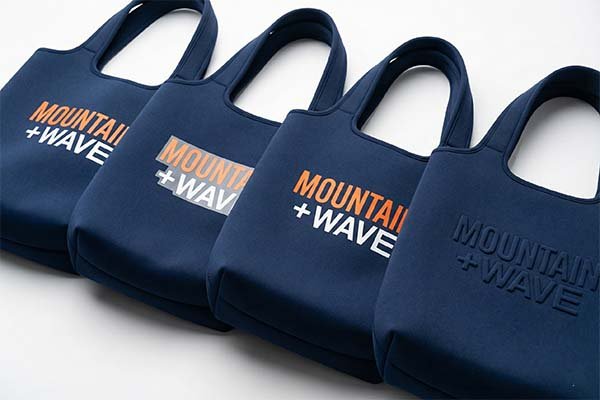
We need to look at these options in detail to see where they fit. Not every method is "best" for every job. It depends on what you want to achieve with your product.
Sérigraphie1 is the most common method in the industry. It uses a mesh screen to push ink onto the fabric. It is very reliable. Then there is heat transfer printing2. This involves printing a design on special paper and pressing it onto the bag. It is great for complex colors but has risks. Digital printing, specifically dye sublimation, uses gas to dye the fabric fibers. This is only for polyester-faced neoprene. Finally, embossing presses a shape into the foam. It looks very premium but has no color.
You also have new methods like DTF (Direct to Film). This is a version of heat transfer. It is getting popular, but you must be careful with quality. The key is to know that "printing looks good now" is not the same as "printing lasts a long time." We will explore why the old-school screen printing method is often the winner for B2B buyers.
Why Is Screen Printing a Safe Choice for Neoprene Bags?
For most bulk orders, screen printing is the most reliable option. It balances cost and quality very well. It is especially good if you have a clear brand logo.
Screen printing is a safe choice for neoprene bags because it uses special elastic inks that stretch with the bag. This prevents cracking and peeling during daily use. It is also very cost-effective for large orders, making it the ideal solution for wholesale and promotional products.
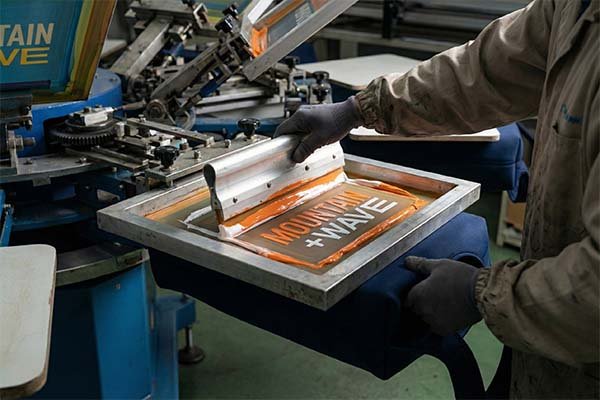
At Avecobaggie, we often recommend screen printing to our clients. The main reason is the ink. We use a specific type of elastic ink for neoprene. When you stretch a laptop sleeve to fit a computer, the ink stretches too. It moves with the material. This bond is very strong. If you use the wrong ink, the logo will crack immediately.
Screen printing creates a thick, solid layer of color. This is great for brand visibility3. If you have a black neoprene bag and you want a bright white logo, screen printing covers the black background perfectly. Other methods might look transparent or weak on dark fabric. Also, for large orders, screen printing is cheap. You pay a setup fee for the screen, but the cost per bag is low. The process is fast and consistent.
However, you must know the limits. Screen printing is not for photos. It is for solid colors. If your logo has ten different colors or fading gradients, screen printing is expensive and difficult. But for a clean, bold company logo, it is the champion of stability.
How Do Heat Transfer and Digital Printing Compare?
If you have a colorful design, you might look at heat transfer or digital printing. These two methods are very different in how they handle wear and tear.
Heat transfer printing places a layer of vinyl or film on top of the neoprene, which is good for short-term events but may peel. Digital printing (dye sublimation) dyes the fabric fibers directly, offering a smooth finish that won’t crack, but it mostly works on light-colored fabrics.
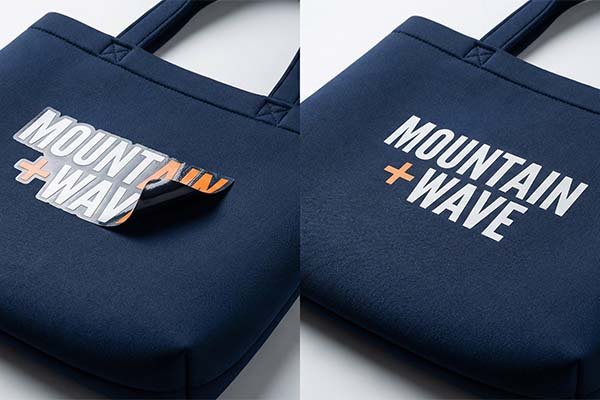
Let’s break down these two methods so you can make a smart choice for your business. This comparison will help you decide between visual impact and long-term quality.
| Fonctionnalité | Heat Transfer / DTF | Digital Printing (Sublimation) |
|---|---|---|
| How it works | A sticker-like film is pressed on top. | Ink turns to gas and dyes the fibers. |
| Sentiment | You can feel a plastic layer. | Soft, you cannot feel the print. |
| Durabilité | Moderate. Can peel if stretched too much. | Excellent. Will not crack or peel. |
| Color Limits | None. Good for photos. | None. Good for photos. |
| Base Color | Works on any color (Dark or Light). | Only works on White or Light colors. |
| Best Use | Small batches, complex logos on dark bags. | All-over patterns on light bags. |
Heat transfer is flexible for small orders. If you need 50 bags for an event next week, this is a good choice. But, the print sits on top of the neoprene. It adds a stiff layer. If you stretch the bag, that layer fights against the rubber. Over time, edges might lift.
Digital sublimation is different. It is part of the fabric. It never cracks. But you cannot do it on black neoprene. You have to start with white fabric. This limits your design options. Also, sublimation requires high heat, so the factory must be very skilled to avoid crushing the neoprene foam.
What Should Buyers Consider Before Choosing a Printing Method?
You need to ask the right questions before you pay for an order. A pretty picture on a computer screen is not enough. You need to think about the real world.
Buyers should consider logo stretchability, the base color of the bag, and the intended use of the product. You must ask if the bag will be washed or stretched frequently. Always request a physical sample to test the ink’s durability against pulling and friction.
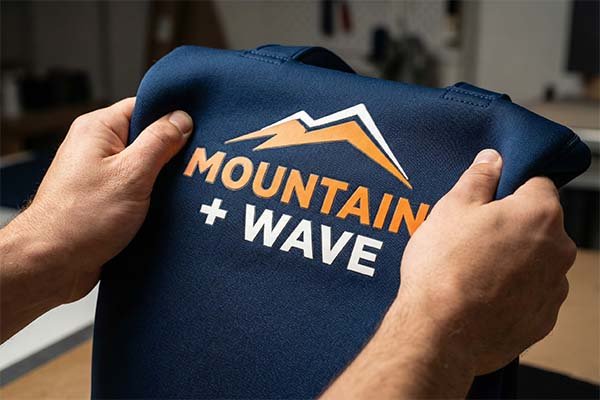
Based on our experience with many international buyers, the biggest mistakes happen because of bad expectations. You should not just look at the design file. You need to think about the product life cycle. Here is a checklist to help you verify your decision:
- The Stretch Test: When you get a sample, pull it hard. Does the logo break? If the bag is for a heavy item like a laptop, it will stretch every day. The print must handle this.
- The Rub Test: Rub the logo with your thumb or a piece of cloth. Does the color come off? Neoprene bags often rub against clothes or desks.
- Background Color: Are you buying black bags? If yes, forget sublimation. You need screen printing or DTF heat transfer.
- Order Quantity: If you are buying 1,000 units, screen printing will save you a lot of money. If you are buying 50 units, digital methods are better.
- Usage Scene: Is this a cheap giveaway for a one-day trade show? Then a simple heat transfer is fine. Is this a premium retail product sold in a boutique? Then you need high-quality screen printing or sublimation.
Do not be afraid to ask your supplier about the ink they use. Ask them if they have done a durability test. A good supplier will be happy to show you the results.
Conclusion
To get the best result, match the print method to your usage. Always test the sample for elasticity and durability before you place a bulk order.
Frequently Asked Questions
Q: What file formats do I need to provide for printing on neoprene?
A : For screen printing, we require vector files like AI or PDF to ensure crisp edges. For digital or sublimation printing, high-resolution raster images (JPG/PNG at 300 DPI or higher) are acceptable, but vector is always preferred to avoid pixelation when resizing.
Q: Can I use metallic gold or silver ink on neoprene bags?
A : Yes, metallic effects are possible using screen printing with specialty shimmer inks. However, metallic inks can sometimes be slightly less elastic than standard rubber-based inks, so we recommend testing them on areas of the bag that stretch less.
Q: Is it possible to print on the inside lining of the neoprene bag?
A : It depends on the construction. If the bag is single-layer (neoprene with fabric on both sides), we can print on the interior before sewing. If the bag has a separate lining material (like nylon or velvet), we need to print on that fabric before it is stitched into the bag.
Q: Are there eco-friendly ink options available for neoprene?
A : Yes, we can use water-based eco-friendly inks or silicone-based inks that are free from PVC and phthalates. These are compliant with EU and US environmental standards, though they may require longer curing times than traditional plastisol inks.
Q: Can I match my specific brand color using Pantone (PMS) codes?
A : With screen printing, we can match Pantone Solid Coated colors very accurately. With digital printing or sublimation, colors are converted to CMYK, so while we can get very close, a 100% perfect PMS match is harder to guarantee due to the fabric’s texture affecting light reflection.
Q: Does the printing process add a strong chemical smell to the bags?
A : Freshly printed neoprene, especially with screen printing, can have a faint ink odor initially. However, we air out the products before packing. The natural smell of neoprene rubber is usually stronger than the ink itself, and both dissipate over time with proper ventilation.
Q: Why is the sample fee for screen printing so high compared to digital printing?
A : Screen printing requires the physical creation of a mesh screen (film output, exposure, washing) and precise machine setup. This "setup cost" is fixed whether we print one bag or 1,000. Digital printing does not require screens, making the setup for a single sample much cheaper.
Q: Can I print across the seams or zippers of the bag?
A : We strongly advise against printing over seams or zippers. The uneven surface causes ink gaps and inconsistent pressure. For "edge-to-edge" designs, we must print on the flat fabric panel before the bag is cut and sewn together (cut-and-sew manufacturing).
Q: How do I clean a printed neoprene bag without damaging the logo?
A : We recommend hand washing with mild soap and cold water, then air drying in the shade. Machine washing (especially with hot water) and tumble drying can damage the neoprene foam structure and cause heat transfer logos to peel or screen print inks to crack prematurely.
Q: What is the smallest font size I can use on neoprene fabric?
A : Due to the textured surface of the fabric laminated on the neoprene, we recommend a minimum font height of 3mm (approx. 8-10 pt). Lines thinner than 0.5mm may break or not adhere properly because they might fall into the tiny "valleys" of the fabric weave.
-
Explore this link to understand why screen printing is favored for its reliability and quality in fabric printing. ↩
-
This resource will provide insights into the complexities and advantages of heat transfer printing, helping you make informed decisions. ↩
-
Discover insights on how screen printing can significantly boost your brand’s visibility and impact in the market. ↩
 Français
  English
  Deutsch
  Español
  Português
  Русский
  العربية
  Italiano
  日本語
日本語  한국어
한국어  Dansk
Dansk