Aller directement au contenu

Struggling to find packaging that feels premium but stays eco-friendly? Cheap plastics hurt your brand, while high-end boxes cost too much. Felt bags offer a smart, reusable middle ground.
Felt bags are reusable, highly protective, and visually striking products made from compressed fibers like wool or recycled plastics. They elevate brand presentation and replace single-use packaging. However, they lack water resistance and require careful cleaning. Selecting the right felt ensures long-term marketing value for your business.

Understanding the exact material makeup helps you avoid costly procurement mistakes and match the bag to your specific product requirements.
What Are Felt Bags Made Of and Why Does the Material Matter?
Not knowing your material options can ruin a bulk order. Choosing the wrong fiber leads to budget overruns or poor durability. You must match the felt type to your goal.
Felt is a pressed fiber material with no woven threads, offering a soft yet structured feel. Buyers choose between natural wool felt, affordable polyester felt, and eco-conscious recycled PET (rPET) felt. The specific material dictates the bag’s appearance, lifespan, environmental impact, and unit cost.
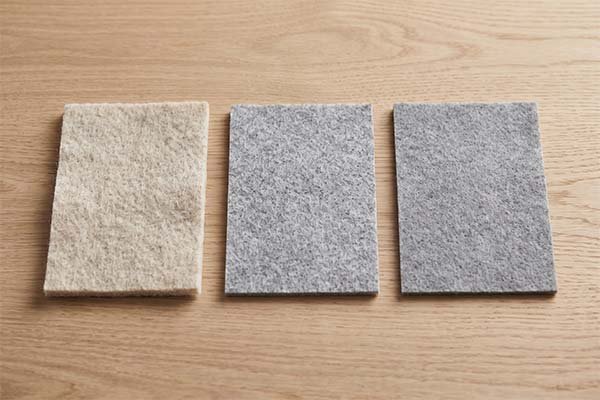
Unlike cotton or canvas, felt is not woven. Factories press and mat fibers together using heat and moisture. This creates a fabric that holds a rigid shape. You have three main choices for commercial production.
Wool felt represents the luxury tier. It uses natural fibers, resists high temperatures, and feels incredibly soft. Wineries in France and boutique fashion labels in Italy often use wool felt for high-end wine carriers and luxury gift packaging. The high cost makes it unsuitable for mass giveaways.
Polyester felt dominates the market. It costs less, holds colors well, and provides high tensile strength. This makes it perfect for heavy-duty shopping totes or budget-friendly laptop sleeves. It cuts easily, allowing factories to create precise custom shapes without fraying edges.
Recycled PET (rPET) felt offers a strong sustainability angle. Manufacturers create this material by recycling plastic water bottles. European and North American buyers increasingly demand rPET to meet their ESG goals. It turns plastic waste into durable corporate gifts.
You must define your material first. A tech company giving away laptop sleeves at a trade show in Las Vegas needs a different felt than a luxury spa packaging bath products.
What Are the Biggest Pros and Cons of Felt Bags?
Ordering custom bags blindly risks poor customer feedback. You might buy something that looks great but fails in daily use. Knowing the exact strengths and weaknesses prevents bad investments.
Felt bags provide excellent durability, a premium aesthetic, and superior impact protection for delicate items. They allow diverse customization like laser engraving and screen printing. Their main drawbacks include poor water resistance, a tendency to attract dust, and potential surface pilling after heavy friction.

Felt bags replace flimsy single-use bags with a product people actually keep. A dense felt bag survives years of grocery runs or daily commutes. This longevity gives your brand logo thousands of extra impressions over time.
The minimalist texture naturally looks expensive. Brands aiming for a clean, Nordic design style prefer felt over glossy plastics. It instantly elevates the perceived value of the items inside. Felt also acts as a natural shock absorber. A 3mm thick felt bag protects a 15-inch Macbook or a heavy glass bottle of Cabernet Sauvignon far better than thin canvas.
Factories can mold felt into endless shapes. We regularly produce rigid storage baskets, sleek cosmetic pouches, and folded document sleeves from the exact same raw material. You can apply almost any branding technique, including leather patch debossing, silk screen printing, or laser cutting.
You must also understand the limitations. Felt absorbs water quickly. A felt tote bag will lose its shape if left in heavy rain. Dark grey or black felt attracts dust and pet hair, requiring regular lint rolling. Lower-quality felt will pill and form small fuzz balls when rubbed against rough jackets. Felt also stretches under extreme industrial weights. It works beautifully for a 5kg grocery load, but not for hauling construction hardware. These are not defects. They simply mean you should use felt for retail, tech, and lifestyle packaging rather than rugged outdoor gear.
Why Are Felt Bags Becoming a Popular Eco-Friendly Choice for Businesses?
Strict environmental regulations are forcing brands to abandon plastic. Customers reject companies that ignore sustainability. You need packaging that actually proves your commitment to the planet.
Felt bags support corporate sustainability by replacing single-use plastics with long-lasting, reusable alternatives. rPET felt actively removes plastic bottles from landfills, fitting perfectly into circular economy models. Brands use these bags to meet strict ESG targets and satisfy eco-conscious consumers.

Governments worldwide continue to ban single-use plastics. Procurement managers face intense pressure to find sustainable replacements that do not destroy their budget. Felt answers this problem directly. True sustainability comes from reuse. A standard plastic bag sees 12 minutes of use. A well-made felt tote bag stays in a consumer’s closet for years.
The rise of rPET felt changed the industry. Factories take discarded water bottles, shred them, and spin them into durable felt fibers. Brands can secure Global Recycled Standard (GRS) certification for these bags. A coffee shop chain in Seattle can confidently tell customers their new retail bags directly reduced plastic waste.
Different industries adopt felt for specific reasons. Corporate event planners buy felt document folders for trade shows because they look professional and bypass anti-plastic rules. Furniture and home decor brands use felt storage baskets as premium add-on items. Hotels provide felt laundry bags in guest rooms to signal luxury while cutting down on daily plastic waste. The material visually communicates environmental responsibility before the customer even reads the tag.
How Do Felt Bags Compare with Canvas, Cotton, and Non-Woven Bags?
Comparing quotes for different materials leaves many buyers confused. Picking the cheapest option often damages brand reputation. You need to match the fabric exactly to your project goals.
No single material is universally best. Canvas handles heavy weights, cotton offers natural softness, and non-woven fabric fits tiny budgets. Felt excels in structural shape, premium aesthetics, and cushioning. Your choice depends entirely on your budget, product weight, and desired brand image.

Buyers constantly ask which bag material is the absolute best. That question has no valid answer. You must look at your specific use case.
| Fonctionnalité | Felt Bags | Canvas Bags | Sacs en coton | Non-Woven Bags |
|---|---|---|---|---|
| Meilleur pour | Electronics, Wine, Gifts | Heavy Groceries, Books | Light Retail, Apparel | Trade Shows, Giveaways |
| Structure | Rigid, holds shape well | Slouches when empty | Very soft, wrinkles | Semi-rigid, crinkles |
| Cushioning | Excellent | Poor | None | None |
| Cost Profile | Medium to High | Moyen | Low to Medium | Very Low |
Felt versus Canvas remains the most common debate. Felt looks modern and architectural. It stands up on its own, making it perfect for desk storage or gift hampers. Canvas looks casual and natural. Canvas holds more raw weight without stretching. If you sell 10kg bags of dog food, use canvas. If you sell delicate glass cosmetics, use felt.
Cotton offers a breathable, lightweight option. Organic cotton appeals to natural skincare brands. However, cotton wrinkles easily and offers zero protection for fragile goods.
Non-woven bags dominate the cheap promotional space. If you need 50,000 bags for a weekend marathon and have pennies to spend per unit, buy non-woven. They will break after a few uses. Felt costs more upfront but delivers a high-end corporate gift that the recipient will actually take home and use daily.
How Can You Choose the Right Felt Bag for Different Applications?
Using generic bag designs for specialized products looks cheap. A wine bag requires different specs than a laptop sleeve. You must customize the structure for the end user.
Select felt thickness, hardware, and dimensions based on the item inside. Electronics need thicker 4mm felt and secure closures. Heavy bottles require reinforced base panels and internal dividers. Daily totes need strong handles and lighter 2mm felt to remain comfortable.

You cannot apply one standard felt specification to every product. Different industries require completely different engineering.
Laptop sleeves demand thick protection. Specify 3mm or 4mm high-density felt. Add a soft inner lining to prevent scratches. Use low-profile magnetic snaps or premium zippers instead of cheap velcro. Keep the logo subtle, perhaps using a small stamped leather patch.
Wine bags require structural integrity. Bottles clink and break. You must include thick internal felt dividers. The bottom panel needs extra reinforcement to handle the concentrated weight. A die-cut handle built directly into the felt often works better than attached straps.
Shopping totes need flexibility. Using 5mm felt makes a tote too stiff and heavy to carry comfortably. Stick to 2mm or 3mm felt. Reinforce the handle stitching with a cross-box pattern so it survives heavy loads.
Storage baskets for home organization need rigidity. Add a hard internal board to the base. Make the felt foldable so you can ship the baskets flat, saving massive amounts of ocean freight volume. Tailoring these specific details separates a cheap promotional item from a premium retail product.
How Should You Clean and Maintain Felt Bags to Extend Their Lifespan?
Customers often ruin good felt bags by throwing them in the washing machine. Incorrect cleaning causes shrinkage and permanent deformation. Educating users on proper care protects your brand’s reputation.
Maintain felt bags by gently brushing away surface dust and using a lint roller. Spot clean stains immediately with a damp cloth and mild detergent. Never machine wash or soak felt, as it ruins the shape. Store them flat in dry areas to prevent mold and stretching.

High-quality felt bags last for years if maintained properly. Buyers often assume they can treat felt like a cotton t-shirt. You must avoid heavy water exposure.
For daily maintenance, a simple sticky lint roller removes 90% of surface debris. A soft-bristled brush easily handles dried dirt. Never scrub the material aggressively.
People always ask if they can wash felt bags. The direct answer is no. You should never put a wool or thick polyester felt bag into a washing machine. Hot water and aggressive spinning will shrink the fibers and destroy the bag’s rigid structure. If a customer spills coffee or red wine on the bag, they must spot-clean it immediately. Dab the stain with a micro-fiber cloth and cold water. Do not rub the stain deeper into the matted fibers. Avoid strong chemical bleach entirely.
Friction causes pilling. Small fuzz balls will eventually appear on areas that constantly rub against clothing. You can easily remove these using a standard fabric shaver or sharp scissors.
Store large felt organizers flat. Do not crush them under heavy boxes in a humid warehouse. Proper storage prevents permanent creases and keeps the bags looking factory-new.
What Should You Consider Before Ordering Custom Felt Bags?
Rushing a bulk order based solely on the lowest price usually ends in disaster. Weak handles snap and cheap logos peel off. You must evaluate the full manufacturing process.
Before ordering bulk custom felt bags, define the exact application, required dimensions, and optimal material thickness. Choose a logo application method that matches your brand image. Always request a physical prototype to verify the stitching strength and color accuracy before committing to a full production run.

Procurement managers often fixate entirely on unit price. This approach ignores critical details that dictate product failure or success. You have to nail down the specifics before signing a purchase order.
Start with the exact thickness. A 2mm bag feels thin and flimsy but costs less. A 4mm bag feels premium and stands upright but costs more to produce and ship. Match this thickness to your product weight.
Your logo application changes the entire aesthetic. Silk screen printing provides sharp, bright colors for a tech startup. A debossed faux-leather patch offers a quiet, expensive look for a boutique hotel. Laser engraving burns the logo directly into the felt, creating a permanent, rugged design.
Hardware matters just as much as the fabric. Cheap metal zippers will break within a month. Pay the extra ten cents for high-quality pulls and reinforced magnetic snaps.
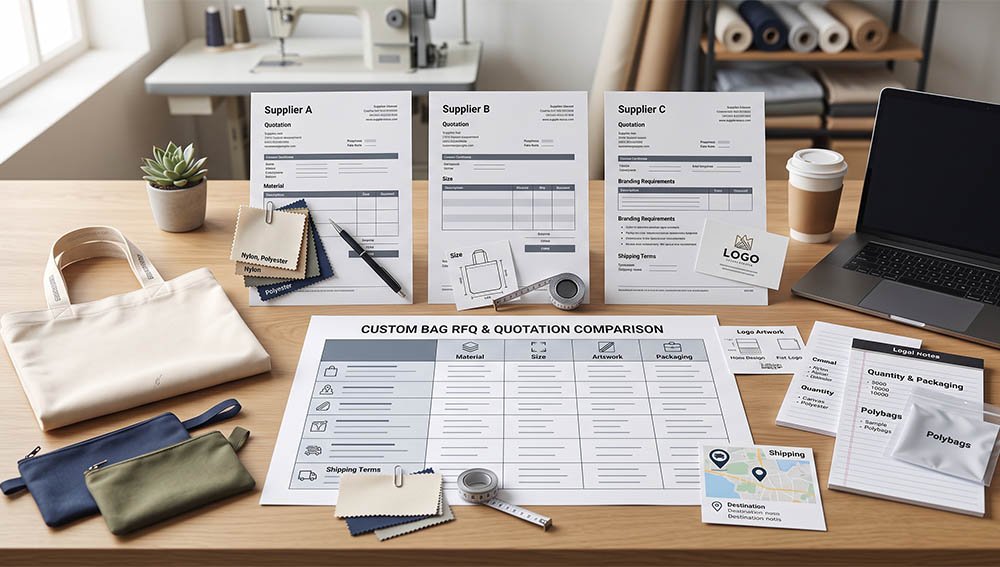
Minimum Order Quantities (MOQ) directly impact your price. Factories waste material when setting up machines for a 100-piece order. Ordering 1,000 pieces drops your unit cost significantly. Finally, never skip the sampling phase. A physical prototype lets you test the load capacity and verify the exact Pantone color match in real lighting.
Conclusion
Felt bags offer a premium, durable, and eco-friendly packaging solution. By matching the right material thickness and custom features to your specific product, you ensure long-lasting brand visibility.
Foire aux questions
Q: Can felt bags be shipped flat to save on ocean freight?
A : Yes. We engineer many of our storage baskets and totes with foldable base panels or snap-button corners. This flattens the product, minimizes carton volume, and heavily reduces your logistics costs.
Q: Do you handle the complete product design for us?
A : We offer collaborative design support and visual adjustments to ensure your concept works well with the felt material. However, we are not a professional design studio, so we require you to provide your primary brand assets and basic concepts.
Q: How does felt handle extreme cold during winter shipping?
A : Felt retains its soft texture and flexibility in freezing temperatures. While cheap plastics often turn brittle and snap, felt fibers remain structurally intact and safe for transport.
Q: Can we use felt bags for direct food packaging?
A : You cannot place unpackaged food directly against the matted fibers. You must pack items like baked goods, coffee, or chocolate in a sealed primary wrapper before placing them inside the felt carrier.
Q: Are there limitations when requesting custom dyed colors?
A : We stock a wide variety of standard colors for fast production at lower quantities. Dyeing the felt to an exact Pantone match requires a higher minimum order quantity because of the factory vat dyeing process.
Q: Why is there sometimes a faint smell on laser-engraved bags?
A : Laser cutting burns the edges of the synthetic fibers to seal them and create sharp logos. This leaves a slight scent initially, but it fades entirely during the final ventilation and packing stage at our facility.
Q: Is it possible to mix different felt colors in a single design?
A : You can easily mix colors. We regularly stitch a dark exterior felt panel to a bright, contrasting interior lining to match a company’s specific brand identity.
Q: Do customs classify felt bags differently than canvas bags?
A : Yes. Customs brokers use different HS codes based on the raw material. Natural wool felt, recycled polyester felt, and cotton canvas all face different import tariff rates depending on your country.
Q: Can you attach metal hardware directly to the felt material?
A : Metal rivets, magnetic snaps, and heavy zippers attach perfectly to dense 3mm or 4mm felt. If you use thinner 2mm felt, we add a hidden reinforced backing patch so the metal does not tear the fabric under stress.
Q: Does felt shrink if exposed to high heat inside a shipping container?
A : Synthetic polyester felt holds its shape perfectly in hot environments. Natural wool felt requires a combination of high heat and heavy moisture to shrink, which is rare in standard sealed shipping containers.


 English
  Deutsch
  Español
  Português
  Русский
  العربية
  Français
  Italiano
  日本語
日本語  한국어
한국어  Dansk
Dansk