Skip to content

Many buyers ask if Neoprene fits every bag project. The answer is no. Choosing the wrong material wastes money and hurts your brand reputation. You need to know where it works best.
Neoprene is not a universal solution. It works best for products that need cushioning, water resistance, and flexibility. The best bag types for this fabric are totes, lunch bags, laptop sleeves, and wet bags. Using it for rigid business cases or cheap giveaways is usually a mistake.
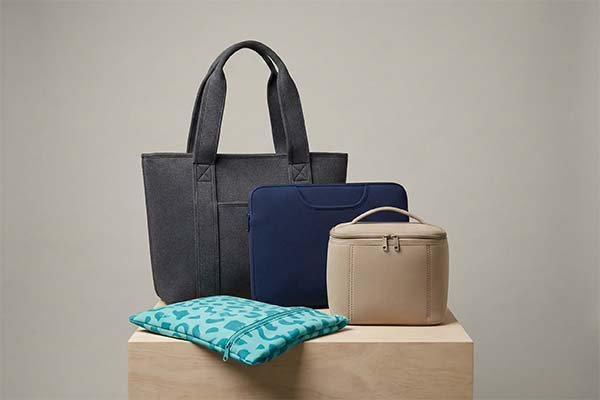
Let us look at the specific reasons why this material works well for some designs but fails for others.
Why Does Neoprene Work Better for Certain Bag Types?
You might think all synthetic fabrics are the same. But Neoprene has unique physical traits. These traits change how a bag feels and performs in daily use.
Neoprene offers natural elasticity, thick cushioning, and excellent water resistance. These features make it durable and protective. However, these same traits make it heavy and expensive compared to simple cotton or polyester options.
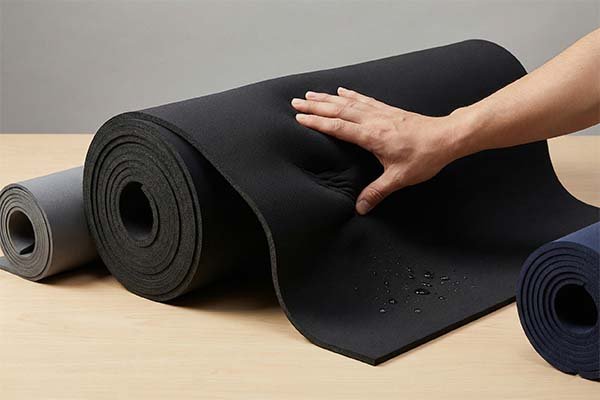
Neoprene is a functional material. It is not just a fashion choice. We need to look at its core properties to understand why it works. First, it has a rubber-like core. This gives it thickness. This thickness acts like a buffer. It protects what is inside the bag. Second, it is elastic. You can stretch it, and it bounces back. This helps the bag keep its shape over time. Third, it resists water. It does not soak up rain like cotton does.
But these features also create limits. Because it is thick, it is heavier than nylon. Because it is a specialized rubber foam, it costs more than canvas. When we develop products at Avecobaggie, we use a simple logic. Does the product need protection? Does it need to stay dry? If the answer is yes, Neoprene is a good choice. If the answer is no, you might be overpaying. You must match the material cost to the product function. This is the key to risk control in your supply chain.
| Fonctionnalité | Benefit | Drawback |
|---|---|---|
| Thickness | Provides cushioning and shock absorption. | Adds weight and bulk to the product. |
| Elasticity | flexible fit and retains shape. | Hard to make rigid, structured shapes. |
| Closed-Cell Structure | Waterproof and easy to clean. | Higher raw material cost than open weaves. |
What Everyday Bags Are Ideal for Neoprene?
Daily use bags need to handle wear and tear. They also need to look good while carrying personal items. Neoprene balances durability with a modern look.
Neoprene is perfect for tote bags, lunch bags, and cosmetic bags. These items benefit from the material’s soft touch, easy cleaning, and ability to hold shape without being stiff.
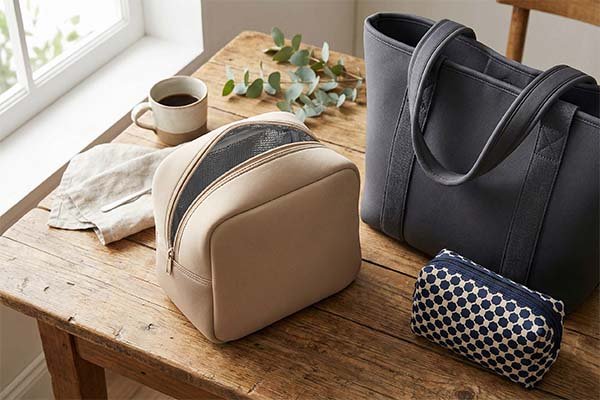
Let us break down the specific bag types that shine with Neoprene. The Tote Bag is the most popular choice. A cotton tote is cheap, but it gets dirty fast. A leather tote is heavy. A Neoprene tote sits in the middle. It is light on the shoulder. It is soft against the body. If you spill coffee on it, you can wash it. This makes it great for gym, travel, or work.
Next is the Lunch Bag. Food containers leak. They also need temperature control. Neoprene is a foam. Foam insulates. It keeps cold food cold for longer. It also stops soup spills from ruining your car seat. You can throw the whole bag in the washing machine. This is a huge selling point for moms and office workers.
Finally, consider Cosmetic Bags. Makeup bottles are glass. They break easily. Neoprene is squishy. It protects the glass bottles inside your luggage. It also handles makeup stains well. You can wipe the lining clean. For these three categories, Neoprene adds real value to the user experience. It solves problems that thin fabrics cannot solve.
How Do Functional Bags Benefit Most from Neoprene?
Some products have very specific jobs to do. They need to protect expensive electronics or keep wet items separate from dry ones. Function comes before fashion here.
Wet bags and laptop sleeves are the top functional choices for Neoprene. The material naturally seals out moisture and absorbs shocks, providing safety that thin fabrics cannot match.
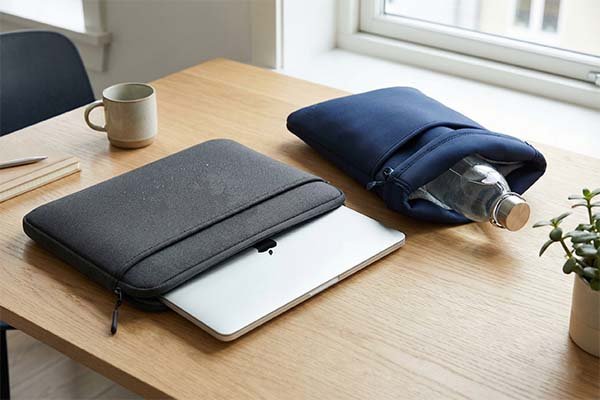
In the B2B world, we call these "functional bags." The value comes from performance. Take the Neoprene Wet Bag. People use these for swimming, surfing, or sweaty gym clothes. The requirement is simple. The water must stay inside the bag. Neoprene has a closed-cell structure. Water cannot pass through the material itself. We seal the seams, and it becomes a safe container for wet gear. Nylon bags often leak after a while. Neoprene stays reliable.
Then there is the Laptop Sleeve. Why is a sleeve better in Neoprene? A sleeve needs a "snug fit." It must hug the laptop. Neoprene stretches. It fits tight around the device. The foam thickness absorbs impact. If you drop a laptop in a canvas sleeve, it might crack. Neoprene absorbs the hit. It is lightweight protection. You do not need a heavy plastic case.
For brands, this is a strong marketing message. You are not just selling a bag. You are selling safety for expensive devices. You are selling a solution for wet messes. The material justifies the price point because it performs a specific function perfectly.
Why Are Some Types of Bags NOT Suitable for Neoprene?
A good supplier will tell you when to say no. Using premium material for the wrong project leads to bad sales and high costs. Not every bag needs foam rubber.
Avoid using Neoprene for huge heavy-duty bags, rigid business briefcases, or cheap promotional giveaways. The material is too heavy, too soft, or too expensive for these specific product categories.
We often see clients make mistakes here. They like the feel of Neoprene. So they want to make a huge travel duffel entirely out of it. This is a bad idea. Neoprene fabric is heavy. A very large bag made of it will weigh too much before you even pack your clothes. It also costs a lot to ship heavy items. The logistics cost will eat your profit.
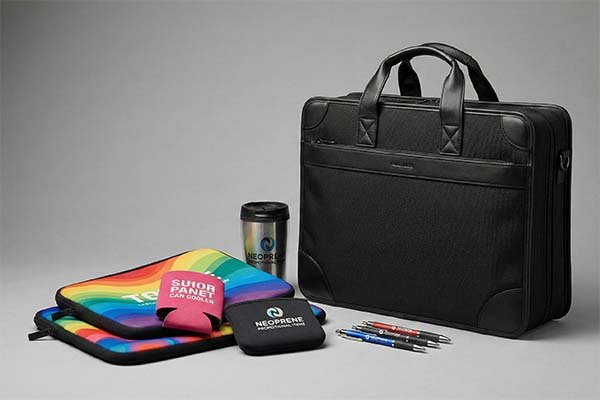
Also, avoid it for Structured Business Bags. A formal briefcase needs to stand up straight. It needs sharp corners. Neoprene is soft. It wants to curve. If you try to force it into a rigid box shape, it looks bad. It looks like a mistake. Leather or hard canvas works better there.
Finally, do not use it for Low-Cost Promotional Giveaways. If your client wants a $1 bag for a trade show, Neoprene is not the answer. The raw material cost is too high. You cannot make a profit at that price point. The customer will not perceive the value of a free gift if it costs you too much to make. Stick to non-woven or cotton for cheap promos. Use Neoprene where the quality matters.
Conclusion
Neoprene is a tool, not a magic wand. Use it for cushioning, water resistance, and comfort. Avoid it for rigid or cheap items. Match the material to the function.
Frequently Asked Questions
Q: What is the standard thickness of Neoprene used for tote bags compared to laptop sleeves?
A: For tote bags, we typically use 2.5mm to 3mm thickness. This maintains structure without making the bag too heavy to carry. For laptop sleeves, we often recommend 3mm to 4mm to provide adequate shock absorption for the device inside.
Q: Can we print complex, full-color patterns on Neoprene bags?
A: Yes. Neoprene is excellent for digital sublimation printing. Unlike screen printing which sits on top, sublimation infuses ink into the fabric layer. This allows for vibrant, full-color designs that cover the entire bag and will not crack or peel when the fabric stretches.
Q: Does Neoprene require a lining, or can it be used raw?
A: Neoprene is a composite material usually sandwiched between two layers of polyester fabric, so the interior is already finished and soft. You do not strictly need a separate lining. However, adding a nylon lining can provide extra internal pockets and hide the stitching for a more premium finish.
Q: How do we handle the "rubber smell" that sometimes comes with new Neoprene products?
A: Fresh Neoprene (SBR foam) often has a distinct scent immediately after production. We recommend airing the products out in a ventilated warehouse for 2-3 days before final packing. The smell dissipates quickly once the product is exposed to air.
Q: Is Neoprene completely waterproof if I submerge it?
A: The material itself is waterproof (closed-cell foam), but the final bag is usually water-resistant. Water can enter through the needle holes at the seams during stitching. For a fully waterproof bag, we would need to use glued and blind-stitched seams or seam tape, which increases the production cost.
Q: What edge finishing options are available for these bags?
A: The most common finish is "binding," where a strip of polyester or nylon covers the raw edge. This is durable and neat. For a fashion-forward, rugged look, some clients choose a "raw edge" cut, but this can only be done if the fabric lamination is very strong to prevent peeling.
Q: Does Neoprene crease during international shipping?
A: Because Neoprene is a foam, it can develop creases if folded tightly in cartons for weeks. However, these creases are usually not permanent. We advise buyers to tell end-customers that steaming the bag gently or hanging it up for a day will remove shipping wrinkles.
Q: Is there a difference between the Neoprene used for wetsuits and bags?
A: Yes. High-end wetsuits use CR (Chloroprene Rubber) which is very expensive and resistant to oil and ozone. For bags, we industry-standard SBR (Styrene Butadiene Rubber). SBR mimics the feel and cushion of real rubber but is much more affordable for consumer goods.
Q: Can I customize the color of the Neoprene foam itself?
A: Usually, the middle foam layer is black or white. We customize the color by changing the polyester fabric laminated to the outside. If you need the actual inner foam to be a specific color, the Minimum Order Quantity (MOQ) is extremely high, so we rarely recommend it for standard projects.
Q: How does Neoprene perform in extreme heat or sun exposure?
A: Neoprene is very stable. It resists degradation from UV light and heat better than many natural rubbers. This means the colors on a beach bag won’t fade quickly, and the material won’t become brittle or crack after a summer of exposure to the sun.

 Français
  English
  Deutsch
  Español
  Português
  Русский
  العربية
  Italiano
  日本語
日本語  한국어
한국어  Dansk
Dansk