الانتقال إلى المحتوى

A successful bag can bring steady orders, but relying on one product category can limit future growth. Many brands want to expand, yet worry about unsold stock and extra costs.
Brands can build a multi-category bag collection by starting with proven products, adding related bag categories, and testing new designs in small quantities. A clear product strategy and a flexible manufacturing partner can help control inventory risks while creating new sales opportunities.
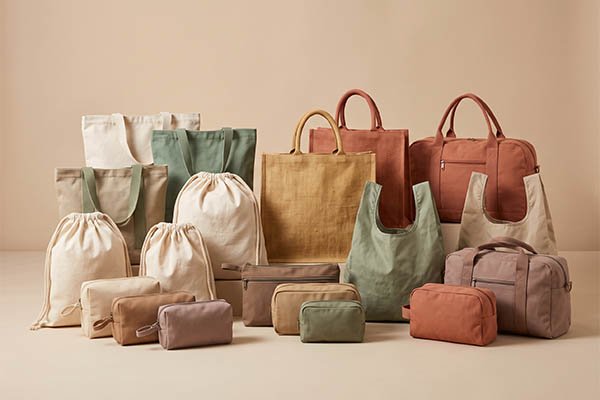
A product that sells well often gives a brand a good reason to expand. A buyer who already has a successful حقيبة حمل قماشية may start thinking about pouches, أكياس الرباط, or bags made from different materials. But what should come next? And how can a brand avoid buying too much stock before knowing whether customers will accept the new products?
After more than 15 years in the bag manufacturing business, I have seen this situation many times. My advice is to build a product range with a clear plan, rather than adding new styles just to increase the number of products in a catalog. Each new category should have a reason to exist and a customer who may actually buy it.
Why Should Brands Expand Beyond a Single Bag Category?
A single successful product can support a business for a long time, but it may not cover every customer need. Brands that depend on one type of bag may also miss sales opportunities when customer preferences change.
Expanding into related bag categories helps brands reach different customer groups, offer more choices to existing buyers, and reduce dependence on a single product type.
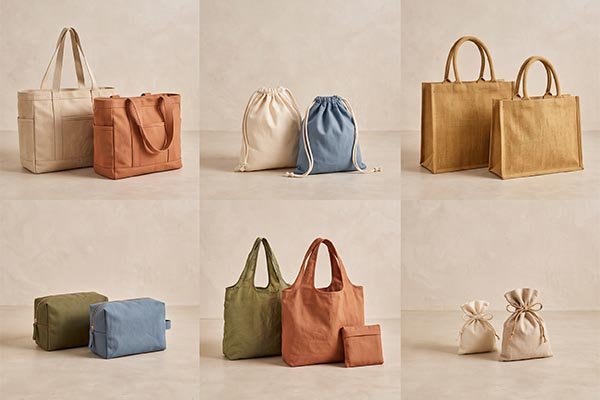
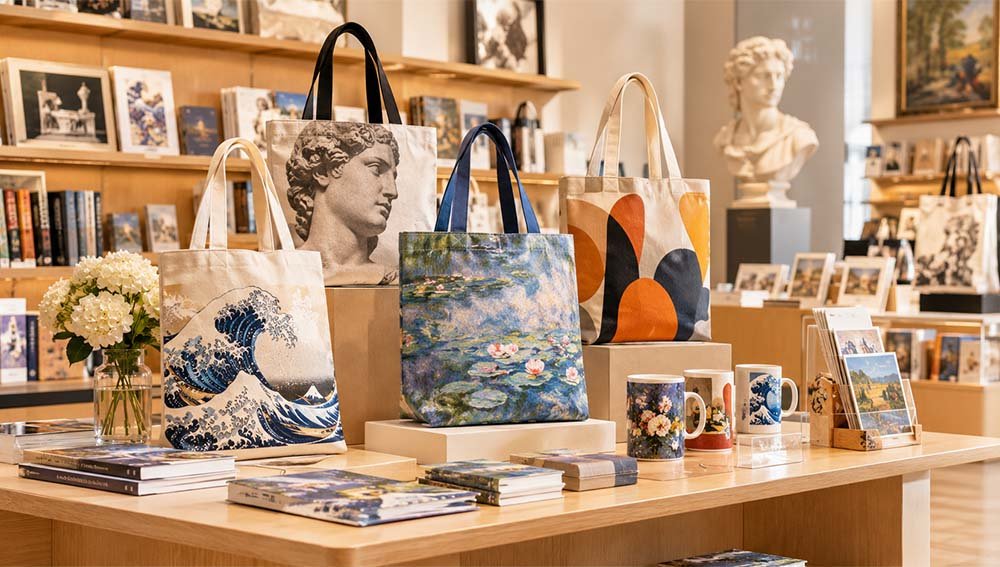
A canvas tote bag may be popular with customers who need a reusable shopping bag or an everyday carry bag. However, the same customers may also need a small pouch for travel, a drawstring bag for sports, or a lightweight shopping bag for daily errands. These products serve different purposes, even when they appeal to a similar audience.
This is one reason I often encourage buyers to look beyond their best-selling item. If a customer already trusts your brand for one type of bag, introducing another useful product gives them a reason to buy from you again. You do not always need to find a completely new customer group to create another sales opportunity. This approach is closely related to product line extension strategies1, where brands use their established products and customer relationships to introduce additional offerings.
There is also a business risk to consider. When most of your sales depend on one category, changes in demand for that product can affect the whole business. A broader product range gives you more options. If canvas tote sales slow down during a certain period, other categories may still attract orders.
However, adding products without a clear reason can create more problems than opportunities. Each category needs to match your brand, your customers, and the way you sell. The goal is not simply to offer more bags. It is to give customers more useful choices while keeping product development under control.
How to Build a Strategic Multi-Category Bag Portfolio?
Once you have a successful product, it is natural to think about what else you could sell. The challenge is choosing products that make sense for your brand instead of creating an unrelated collection.
Start with your best-selling bag category, add products that meet similar customer needs, and explore new categories when there is a clear market opportunity.
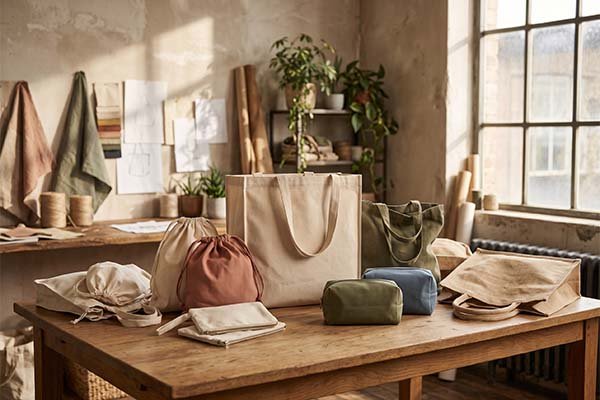
Start with Core and Complementary Product Categories
Your best-selling product is usually the best place to start. It gives you useful information about customer preferences, price expectations, and the type of products your brand can sell.
Suppose a US lifestyle brand has built a steady business around 12 oz cotton canvas tote bags. Its customers like the simple design and reusable material. The brand could consider adding cosmetic pouches, cotton drawstring bagsأو reusable shopping bags. These products are related to the original item, but each one serves a different purpose.
A simple product structure could look like this:
| Product Role | Bag Category | Purpose |
|---|---|---|
| Core product | حقائب حمل الحقائب القماشية | Represent the main product line |
| Complementary product | Cosmetic pouches | Add a smaller product for personal storage |
| Complementary product | Drawstring bags | Reach sports, travel, and casual-use customers |
| Complementary product | Reusable shopping bags | Offer another everyday shopping option |
This structure gives each product a reason to exist. It also helps buyers decide which products deserve attention first.
I would not recommend launching five or six unrelated categories at the same time. A brand that sells canvas shopping bags does not need to add every type of travel bag, backpack, and cooler bag just because a supplier can make them. Start with one or two related categories and see how customers respond.
The connection between products does not always need to come from their appearance. It can come from how customers use them. A customer who buys a tote for everyday shopping may also need a pouch to organize smaller items. That is a natural product extension.
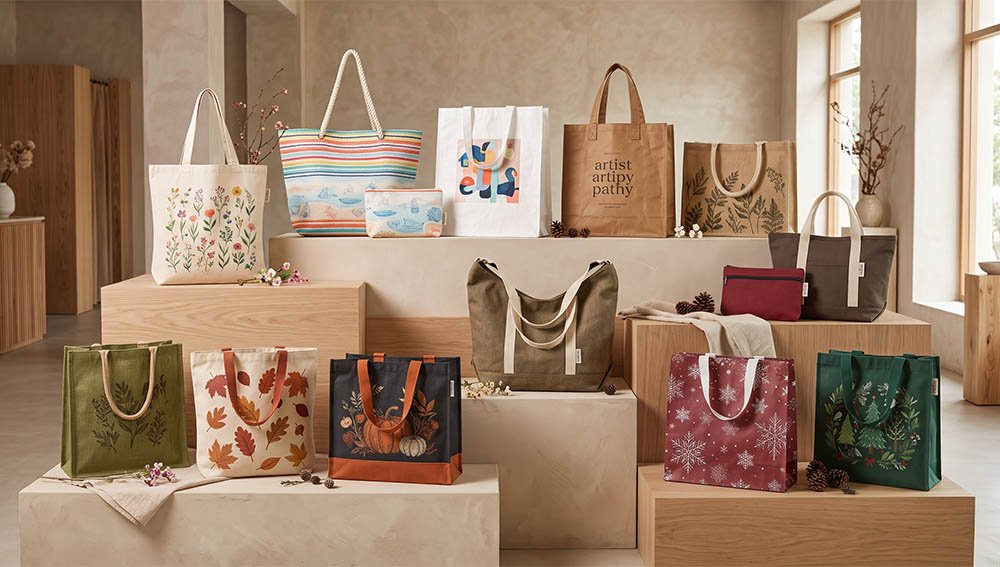
For brands that want to create a more coordinated collection, developing matching bags and accessories can also help maintain a consistent visual identity across different product categories.
Explore New Categories Based on Market Opportunities
Once your core products and related categories have a stable place in the collection, you can look at products that serve new needs.
This is where different materials and bag styles can create more opportunities. A brand known for canvas bags may want to test a كيس تايفك or a washable paper bag. A retailer focused on reusable shopping products may want to explore felt bags or cooler bags for a different customer group.
These products do not need to become permanent parts of the collection immediately. You can treat them as new product ideas and test them first.
For instance, a UK gift brand that sells canvas tote bags may receive requests for lightweight bags with a different look. Instead of changing its entire product range, the brand could develop a small Tyvek collection and show it to selected retail customers. Their feedback can help the buyer decide whether the new category deserves further investment.
I have seen buyers become interested in new materials after they find one successful product. That interest can be useful, but the product still needs a clear market. A material that looks different is not enough by itself. Buyers should ask who will purchase the bag, where it will be sold, and what makes it useful.
A good product portfolio grows step by step. Keep the products that serve your main customers, add related items when there is demand, and leave room for new ideas that may open another market.
How Can Brands Evaluate New Bag Categories Before Launching?
A product can look attractive in a sample photo and still fail to sell. Before adding a new category, brands need to find out whether their customers actually want it and whether the product makes business sense.
Brands can evaluate new bag categories by reviewing customer requests, studying market demand, testing product concepts, and checking production costs before committing to larger orders.
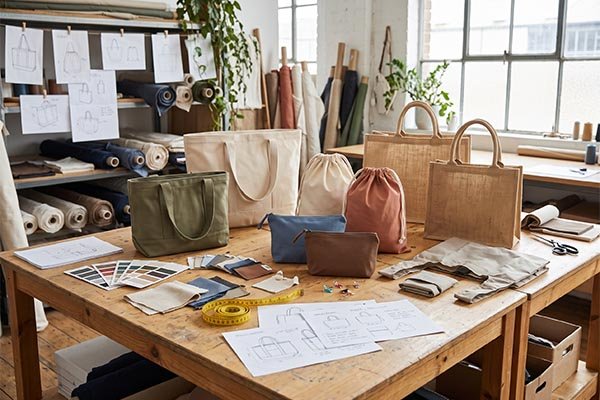
Start with the information you already have. Look at customer emails, sales records, wholesale inquiries, and feedback from retail partners. If several customers who buy your canvas tote bags also ask about cosmetic pouches, that is a useful signal. It does not guarantee sales, but it gives you a reason to investigate the category.
You should also look at brands and retailers that sell to a similar audience. Pay attention to the types of bags they offer, their price ranges, and the way they introduce new products. A US online store selling reusable household products may have a different product range from a UK gift retailer. Their choices can help you understand what customers in each market expect. Do not copy another brand’s collection without understanding why those products are there.
The next step is to test the idea. You can prepare product drawings, reference images, or physical samples and share them with selected customers. Ask direct questions about the product size, material, function, and expected price. A sample gives buyers something real to review. It can also reveal design problems that are difficult to spot in a digital image. This process is similar to product concept testing2, which helps businesses understand how potential customers respond to new product ideas before making larger investments.
At this stage, I suggest keeping the first development order manageable. You do not need to launch a new category with a large quantity just to find out whether it works. A low-MOQ trial can help you collect feedback and understand the production details before making a bigger commitment. The available quantity will depend on the material, construction, printing method, and factory requirements, so discuss these points before confirming the order.
Cost evaluation matters too. A product may attract customer interest but still be difficult to sell at a suitable price. Review the sample cost, production price, packaging, shipping, and expected selling price together. A new category should have a realistic path to sales, not just an attractive design.
How Can a Broader Bag Collection Support Brand Growth?
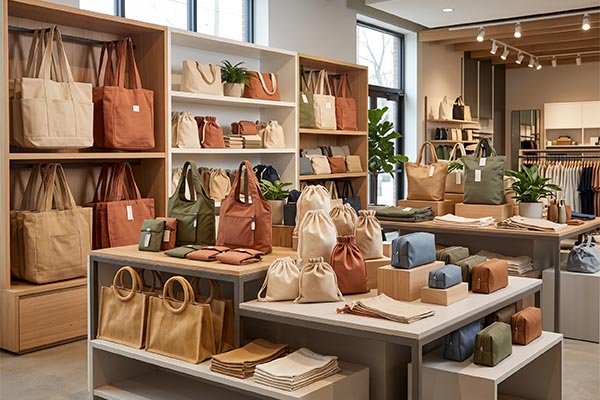
Developing new products takes time and money, so each category should contribute something to the business. A wider collection can be useful when it gives existing customers more reasons to buy and helps sales teams reach different types of buyers.
A broader bag collection can support brand growth by encouraging repeat purchases, creating more sales opportunities with existing customers, and giving retail and wholesale buyers more product choices.
Expand Customer Opportunities and Encourage Repeat Purchases
Customers rarely need only one type of bag throughout the year. Their needs change with different activities, seasons, and purchasing plans.
A customer who buys a canvas tote bag from your brand may later need a cosmetic pouch for travel or a drawstring bag for a sports event. If your brand already offers these products, the customer has another reason to return instead of looking for a new supplier.
This can also help your sales team have more useful conversations with existing customers. Rather than contacting a buyer only when it is time to reorder the same tote bag, you can introduce a related product that fits their business. A retailer that previously ordered 1,000 canvas shopping bags may be interested in testing 300 cosmetic pouches for a new product range, depending on the product and production requirements.
The important point is to make the recommendation relevant. A new product should solve a real customer need. Sending a long catalog with dozens of unrelated bag styles rarely helps a buyer make a decision.
A broader collection can also give customers more reasons to stay with your brand. When they can source several suitable products from one brand, they may find it easier to plan future purchases and maintain a consistent supplier relationship.
Strengthen Retail and Wholesale Product Offerings
A wider product range can make your brand more useful to retailers, distributors, and wholesale buyers. These customers often need products for different price points, customer groups, and sales periods.
Think about a lifestyle brand supplying independent stores in the United States. Its main product may be a cotton canvas tote bag priced for everyday retail sales. By adding small pouches and drawstring bags, the brand can offer retailers more choices for different budgets and uses. A store can choose the products that fit its customers without having to work with several unrelated brands.
Distributors can also benefit from a wider range. A distributor supplying promotional products to companies may already sell reusable shopping bags. The same customers may need drawstring bags for employee events or pouches for product kits. Having access to these categories can create more opportunities within existing business relationships.
For brand owners, this does not mean every product needs to be available in every sales channel. Some categories may work better for online stores, while others may suit wholesale orders or corporate projects. You can decide which products to offer based on the needs of each customer group.
If your brand supplies retailers or distributors with products for different selling periods, it may also help to plan seasonal bag collections for wholesale markets. This gives buyers another way to organize their product ranges around customer demand and retail calendars.
A product collection should make purchasing easier for your customers. When the categories are relevant and the quality is consistent, your brand has more ways to serve the market and build long-term business.
How to Choose a Manufacturer for Multi-Category Bag Development?
A multi-category collection needs more than a supplier who can produce one popular style. You need a manufacturing partner who understands different bag structures, materials, and production requirements.
Choose a manufacturer with experience across different bag categories, flexible OEM/ODM services, and the ability to support product development from samples to repeat orders.
Look for Experience Across Different Bag Categories and Materials
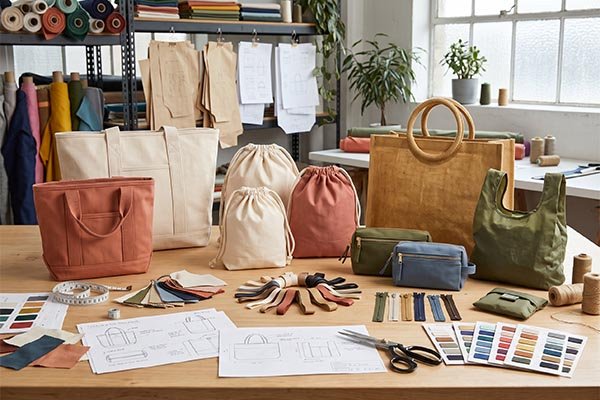
Different bag categories require different production skills. A simple cotton tote bag has a different construction from a zippered cosmetic pouch or a backpack with several compartments. A manufacturer that mainly produces one basic style may not have the experience needed for every product in your collection.
Before choosing a supplier, ask what types of bags they regularly produce. You can also request photos of previous projects and discuss the materials they can work with. Reviewing a manufacturer’s product range and bag categories is one practical way to understand its production capabilities.
For a multi-category project, a manufacturer may need experience with products such as:
| Bag Category | Common Materials |
|---|---|
| Tote bags | Cotton, canvas, jute |
| Pouches | Cotton, canvas, felt, PVC |
| Shopping bags | Non-woven, RPET |
| Drawstring bags | Cotton, polyester, RPET |
| Travel bags | Oxford fabric, nylon |
The material options should match the intended use and target price of each product. A brand developing a low-cost promotional bag may have different requirements from a retailer creating a premium canvas collection.
I also recommend discussing quality control before production starts. When you develop several bag categories, you need to check more than the final appearance. Stitching, dimensions, handle attachment, zipper quality, printing position, and fabric consistency can all affect the finished product. Clear specifications and approved samples help both sides understand what the production team needs to follow.
A supplier with experience across different materials and product types can make communication easier. You can discuss several product ideas with one team and get a clearer view of what is practical to produce.
Choose a Manufacturer with Flexible OEM/ODM and Long-Term Development Support
OEM and ODM services can help brands develop products at different stages.
With OEM production, you provide the design, specifications, and branding requirements, and the manufacturer produces the bags according to your instructions. With ODM support, the manufacturer can help turn an initial idea into a workable product design.
This difference matters when you are building a collection. You may already have a complete design for your core canvas tote, but only a rough idea for a new Tyvek pouch. A manufacturer with development experience can help review the structure, material, dimensions, and production details before making a sample.
Low MOQ options are also useful when you want to test new categories. In my experience, many buyers hesitate to expand because they do not want to hold too much stock in products they have not sold before. I understand that concern. A good manufacturing partner should be willing to discuss practical order quantities and explain how material availability, printing, and construction affect the cost.
At Avecobaggie, we have more than 15 years of experience in bag manufacturing. We work with cotton, canvas, jute, non-woven, RPET, Oxford fabric, Tyvek, washable paper, and other materials. Our OEM/ODM services cover different bag categories, from tote bags and pouches to drawstring bags and backpacks.
We understand that a buyer may start with one successful product and then look for ways to expand. Our role is not only to make the bags. We want to help customers develop a product range that fits their market, test new ideas with manageable quantities, and build a supply plan they can use for future orders.
If you are planning a new collection, you can review our custom bag development process to understand how product shapes, artwork, materials, and samples are handled. Our order progress guide also explains the steps from the initial inquiry to production, inspection, and shipping.
A reliable manufacturer should also communicate clearly about production schedules, sample approval, material changes, and quality checks. These details may seem small during the first order, but they become much more important when several products are being developed at the same time.
الخاتمة
A successful multi-category bag collection starts with proven products, grows through customer feedback, and uses flexible manufacturing to control risk while creating new sales opportunities.
Frequently Asked Questions
Q: How many bag styles should a brand include in its product catalog?
A: There is no fixed number. A small brand may start with 5–10 well-developed styles, while an established retailer may need a larger selection. The key is to make sure every style has a clear purpose and meets customer expectations.
Q: Should a brand use the same packaging for every bag category?
A: Not necessarily. Packaging should match the bag’s size, shape, material, and selling channel. Simple polybags may work for wholesale orders, while retail products may need branded hang tags, labels, or individual packaging.
Q: Can different bag categories share the same brand label design?
A: Yes. Using a consistent brand label helps customers recognize your products. However, the label size and placement may need to change depending on the bag structure and available sewing area.
Q: How can brands make sure product photos look consistent across different bag categories?**
A: Use a consistent photography style, background, lighting, and image proportions. Keep the product clearly visible and use similar angles where possible. This helps create a more organized appearance across your website and catalog.
Q: What information should be included in a custom bag product specification sheet?
A: A useful specification sheet should include product dimensions, material details, fabric weight, color references, construction drawings, stitching requirements, logo artwork, accessories, and packaging instructions. Clear specifications help reduce misunderstandings during production.
Q: How should brands manage design changes after approving a bag sample?
A: Record every approved change in writing and update the product specification sheet. If a change affects dimensions, materials, printing, or construction, request a revised sample before mass production when necessary.
Q: Can a brand use different suppliers for different bag categories?
A: Yes, but working with multiple suppliers may increase communication work and make quality control more difficult. Brands should set clear product specifications and inspection standards for each supplier.
Q: What should buyers check when comparing bag samples from different manufacturers?
A: Compare the actual dimensions, fabric weight, stitching, handle strength, zipper function, printing quality, and finishing details. Buyers should also check whether the samples follow the same specifications before making a decision.
Q: How can brands protect their original bag designs when working with manufacturers?
A: Brands can use written confidentiality agreements, provide controlled access to design files, and clearly state ownership of custom artwork and product designs in their supplier agreements. They should also keep dated records of approved drawings and specifications.
Q: When should a brand update an existing bag collection?
A: A brand can review its collection when customer feedback changes, product performance declines, materials become difficult to source, or new design requirements emerge. Regular reviews help keep the product range relevant without changing everything at once.
-
Shopify explains how product line extensions help established brands introduce related products, reach additional customer segments, and create new sales opportunities without starting an entirely new business. ↩
-
Qualtrics explains product concept testing, including how businesses can evaluate early product ideas, gather feedback from target customers, and identify potential improvements before launch. ↩

 English
 Deutsch
 Español
 Português
 Русский
 العربية
 Français
 Italiano
 日本語
 한국어
 Dansk