Skip to content

Wholesale buyers often struggle to maintain high leather quality while facing strict budget cuts. Profit margins suffer when these conflicting demands clash during mass production.
Balancing quality and budget requires matching material grades to specific product use cases. Success in B2B sourcing relies on optimizing consistency, yield rates, and total cost of ownership rather than solely minimizing the price per square foot.
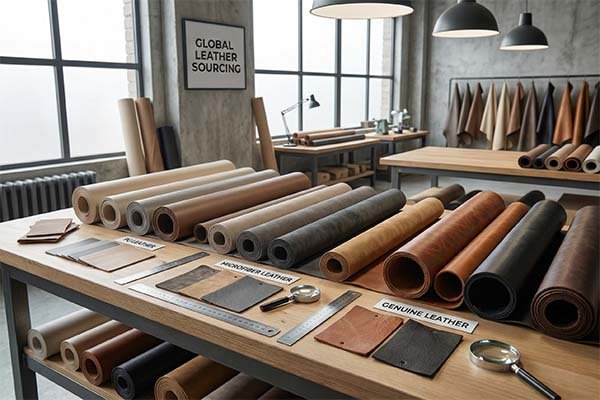
Many industry professionals believe that high quality inevitably leads to high costs. This assumption limits profitability and market flexibility. A strategic approach to material selection can secure both stability and competitive pricing without sacrificing brand reputation.
Why Is Balancing Quality and Budget Challenging in Wholesale?
Large-scale manufacturing amplifies every cent of material cost. A minor miscalculation in leather selection often destroys the entire project’s profit margin before production even begins.
The challenge stems from volume sensitivity and the high proportion of leather cost in production. Focusing solely on unit price ignores stability risks, leading to expensive defects that only appear after mass production begins or during final delivery.
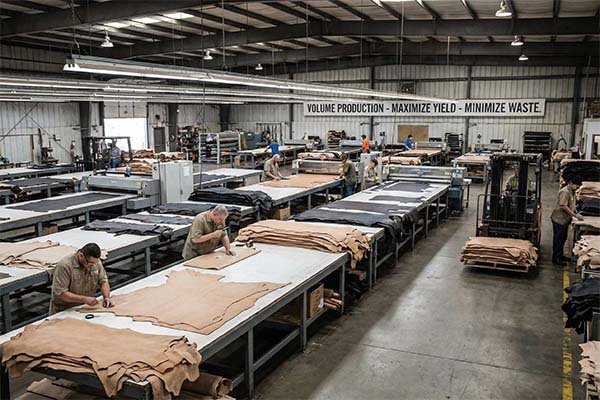
Wholesale orders possess a unique sensitivity to price fluctuations that retail environments rarely encounter. A small increase in material cost per unit, when multiplied by thousands of units, creates a significant impact on the final budget. Since leather typically constitutes the largest portion of the Bill of Materials (BOM) in bag manufacturing, procurement teams must pay close attention to this specific cost structure to maintain healthy margins. One miscalculation here can erode the entire profit projected for the quarter.
A common error in the industry involves looking only at the unit price of the leather hide while ignoring usage scenarios and material stability. This approach creates significant operational risk. Real quality issues often emerge only after production starts or upon delivery, rather than during the sample phase. For example, color variations or texture differences across a large batch can lead to massive returns and financial loss that far exceed the initial savings on materials.
Furthermore, B2B transactions require strict risk control regarding timelines. Companies face huge budget pressures and must guarantee specific delivery dates for marketing campaigns. Unstable materials often lead to production halts as factories struggle to cut around defects. A cheap material that causes production delays proves far more expensive than a stable, moderately priced option, as it endangers the supply chain reliability.
What Does Leather Quality Mean in B2B Orders?
Retail consumers define quality by touch and smell, but wholesale success depends on a completely different set of metrics. Misunderstanding this distinction causes sourcing failures.
In B2B sourcing, leather quality equates to consistency and control. The priority is ensuring the final unit matches the approved sample perfectly, focusing on batch stability, structure suitability, and low defect rates rather than just premium grades.
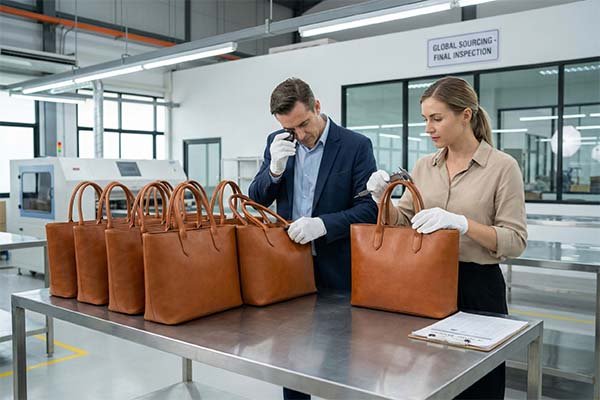
For a B2B supply chain, "quality" does not necessarily imply using the most expensive full-grain hide available. Instead, it implies predictability and consistency across the entire order volume. While a retail customer looks for a unique feel or natural character, wholesale buyers require absolute replicability. The factory must be able to replicate the confirmed sample perfectly 5,000 times without variation. If the material varies too much between batch one and batch ten, the brand risks negative feedback from distributors and retailers.
High-end natural leather often contains scars, insect bites, and irregularities. While these traits indicate authenticity in a luxury boutique, they are detrimental to mass production consistency. Successful projects require materials that behave identically in every cutting cycle. This allows the factory to maintain speed and precision. If the material quality fluctuates, the rejection rate during Quality Control (QC) spikes, leading to unforeseen waste and delays.
The material must also fit the specific bag structure. Soft leather will fail in rigid bag designs regardless of the price point, just as hard leather will crack in drawstring pouches. The ultimate goal is to minimize customer complaints and returns. A stable, mid-range leather that fits the product structure outperforms an unstable premium leather in a commercial context. Focusing on batch stability reduces the time quality assurance teams spend inspecting goods and ensures brand reputation remains intact.
How Does Leather Choice Affect Wholesale Costs?
Selecting materials involves more than just comparing price tags on a spreadsheet. Poor material decisions trigger a chain reaction of hidden expenses throughout the production line.
Material selection directly influences rework costs, return rates, and manufacturing efficiency. Low-quality options often incur hidden "Total Cost of Ownership" expenses due to high waste rates and production delays, effectively negating any initial unit price savings.
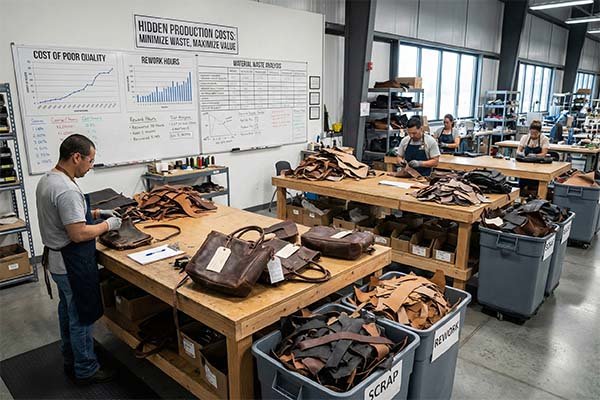
Choosing the cheapest available leather often results in higher final costs for the buyer due to the concept of Total Cost of Ownership (TCO). Lower-grade hides typically contain more natural defects, scars, and holes. The cutting team must spend excessive time working around these defects to find usable areas. This significantly lowers production efficiency and material yield. When workers spend more time inspecting materials than manufacturing bags, labor costs rise, often canceling out the per-foot savings of the cheaper leather.
Bad materials also dramatically increase the rework rate. Factories must repair or discard defective bags during the QC process, and this waste drives up the price per sellable unit. If a batch has a 10% defect rate due to poor material consistency, the effective cost of the goods is 10% higher than the quoted price. Furthermore, brands face higher risks of returns from end consumers. Processing returns, restocking, and managing customer dissatisfaction costs significantly more than the original material savings.
Procurement strategies must therefore focus on the long-term value rather than the spot price. A slightly more expensive, cleaner material often yields a lower final cost due to higher cutting efficiency and lower waste. Additionally, long-term cooperation benefits from stable materials. Consistent inputs allow for faster reorders and predictable lead times, whereas frequent material changes or spot-buying cheap lots destroy supply chain efficiency and reliability.
What Leather Materials Balance Quality and Cost?
Specifying genuine leather for every SKU is rarely necessary or financially viable. Modern manufacturing offers cost-effective alternatives that satisfy market demands without breaking the budget.
PU leather suits low-cost promotional items, while microfiber leather provides the optimal balance of durability and price for long-term B2B projects. Genuine leather remains best reserved for premium, high-margin product lines where the cost is justified.
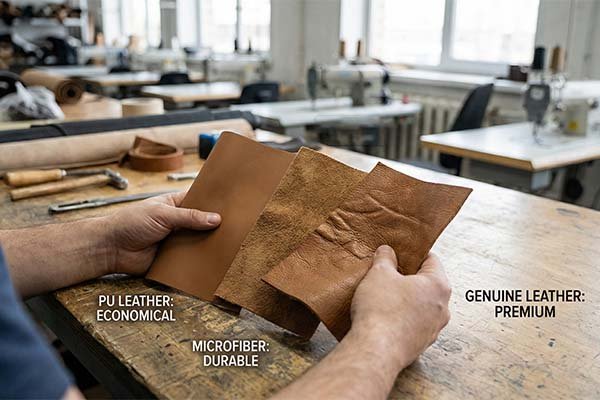
No single material is objectively "better" than another; the value depends entirely on the match between the material properties and the project budget. PU Leather represents the most affordable option, working well for seasonal items or fast fashion where longevity is not the primary goal. However, its use should be strictly limited to short-term products. Buyers must understand that PU has a limited shelf life and structural strength, making it unsuitable for high-load bags or items intended for multi-year use.
Microfiber Leather stands out as a strong contender for B2B orders and is often the "sweet spot" for balancing quality and cost. It mimics the structure of real leather effectively, offering high durability, consistent surface quality, and excellent cutting yields. Because it comes on rolls rather than irregular hides, waste is minimal. It serves as an excellent solution for bags that need a premium look and feel at a lower, more predictable cost. It resists aging better than PU and is often indistinguishable from coated leather to the average consumer.
Genuine Leather represents luxury, carrying a high price tag and high waste rates due to natural irregularities. It does not fit most budget-tight wholesale orders and should be reserved for high-end product lines or specific collections where the "genuine leather" tag is a key selling point. The strategy revolves around matching properties to needs. Microfiber often solves the problem of "cheap looking" PU without the high cost and inconsistency of animal hide, making it a favorite for scalable B2B projects.
| نوع المادة | Cost Level | Stability | Best Use Case |
|---|---|---|---|
| PU Leather | منخفضة | متوسط | Promo items, seasonal fashion |
| ألياف دقيقة | متوسط | عالية | Long-term B2B projects, daily bags |
| Genuine Leather | عالية | Low (Natural) | Premium lines, luxury gifts |
How Should Buyers Allocate Budget by Use Case?
Fixed budgets often force compromises on product specifications. However, strategic allocation of resources allows for high perceived value without overspending on unnecessary details.
Budgets should be allocated according to the usage scenario. Investing in key stress points and main product lines while reducing costs on non-critical areas or promotional items maximizes value and durability within the same price point.
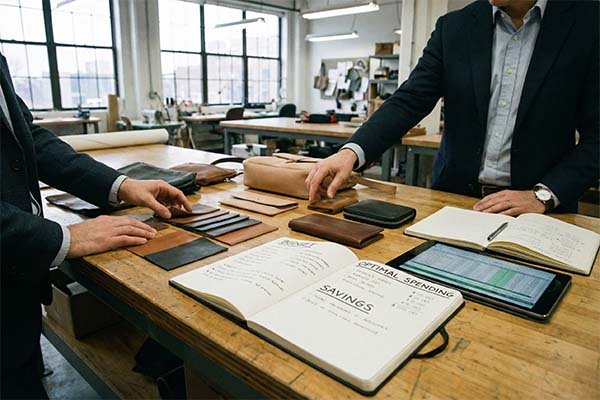
Categorizing orders by use case allows for smarter spending and prevents over-engineering simple products. Promotional items or corporate gifts usually have shorter lifespans, allowing for the use of lower-cost materials without damaging the brand image. Users generally do not expect years of daily use from a free gift distributed at a trade show. Similarly, custom packaging permits the use of budget materials, as the focus lies on the initial unboxing experience rather than long-term durability.
In contrast, brand main product lines carry the company’s reputation and require the primary budget allocation. Failures here can cause long-term brand damage. However, even within a single premium product, the budget can be split strategically to control costs. Funds should be directed toward key stress points such as handles, straps, and bag bottoms. These areas endure the most physical stress and abrasion.
Using premium, durable materials on these high-touch areas significantly extends the product’s life. Meanwhile, cost-effective materials are perfectly suitable for linings, internal pockets, or low-stress decorative panels. The customer interacts with the handle constantly but rarely inspects the lining closely. This smart allocation lowers the average unit cost while maintaining high quality where it is most visible and functional. This "mixed material" strategy is a hallmark of experienced procurement managers who understand where value is truly created for the end user.
الخاتمة
Balancing quality and budget requires smart material choices. Success depends on focusing on consistency, total ownership costs, and strategic allocation. Matching the leather grade to specific business needs ensures profitability.
Frequently Asked Questions: B2B Leather Sourcing
Q: Beyond material selection, how can design modifications reduce wholesale costs without lowering quality?
A: Design simplification is a powerful cost-saver. Reducing the number of complex stitch lines, minimizing hardware usage, or designing patterns that maximize yield from a single hide can significantly lower labor and material waste costs without changing the leather grade itself.
Q: How should buyers handle "Golden Samples" to ensure the batch consistency mentioned in the article?
A: Buyers should require a "Golden Sample"—a final, signed, and sealed pre-production sample kept by both the factory and the buyer. This physical standard serves as the absolute reference for texture, color, and hand-feel during final inspection, preventing disputes over subjective quality.
Q: Are there eco-friendly leather alternatives that fit a mid-range B2B budget?
A: Yes. Beyond standard PU and Microfiber, options like washed kraft paper (washable paper), rPET (recycled plastic) fabrics, or plant-based leathers (like cactus or apple skin) are increasingly popular. These materials often appeal to eco-conscious consumers and can offer stable pricing structures compared to volatile hide markets.
Q: Does higher leather quality always result in longer production lead times?
A: Not necessarily, but sourcing specific premium hides often takes longer than using stock market materials. "Stock" leathers are readily available for immediate cutting, whereas custom-dyed or specific high-grade hides may require an additional 15–30 days for tanning and finishing before manufacturing begins.
Q: How do third-party inspections fit into the budget balancing equation?
A: While third-party inspections (like SGS or Intertek) add an upfront cost, they are a crucial insurance policy for large wholesale orders. They prevent the "hidden costs" of receiving a full container of defective goods, which is far more expensive than the inspection fee itself.
Q: Can hardware selection impact the perceived quality of the leather used?
A: Absolutely. High-quality leather paired with cheap, lightweight zinc alloy hardware will feel low-end to the consumer. Conversely, substantial, well-plated hardware can elevate the perceived value of mid-range microfiber or split leather, making the entire product feel more expensive.
Q: What role does MOQ (Minimum Order Quantity) play in negotiating leather prices?
A: MOQ is critical because tanneries have minimum drum loads for dyeing. If your order meets the tannery’s MOQ (often 3,000–5,000 sq. ft.), you avoid surcharges. Consolidating colors across different SKUs to hit these minimums is a strategic way to lower material unit costs.
Q: How do shipping weights of different materials affect the Total Cost of Ownership (TCO)?
A: Genuine leather is significantly heavier than microfiber or Tyvek. For international B2B shipments, especially air freight, the weight difference can add thousands of dollars to logistics costs. Buyers should calculate the "landed cost" (production + shipping) when comparing material options.
Q: What terms should be included in the purchase order to protect against material substitution?
A: The Purchase Order should specify technical parameters, not just color. Include thickness (e.g., 1.2mm–1.4mm), density, backing type, and specific test standards (e.g., rub tests or hydrolysis resistance). This prevents suppliers from swapping in a visually similar but structurally weaker material.
Q: Is it possible to use "off-cut" or leftover leather for B2B orders to save money?
A: Yes, but usually only for small leather goods (like cardholders or keychains) or zipper pullers. Using off-cuts for main bag panels in wholesale orders is risky due to high color variation and inconsistency, which contradicts the B2B requirement for uniformity.

 العربية
  English
  Deutsch
  Español
  Português
  Русский
  Français
  Italiano
  日本語
日本語  한국어
한국어  Dansk
Dansk