Aller directement au contenu

Buyers often order 3mm felt bags and expect structured results. When the bags arrive flimsy, production delays happen. You need more than just thickness to control product quality.
Felt thickness measures the distance between the material’s surfaces in millimeters. Felt density describes how tightly packed the fibers are within that space. You need both measurements to evaluate bag structure, durability, and cost accurately, rather than relying on thickness alone.
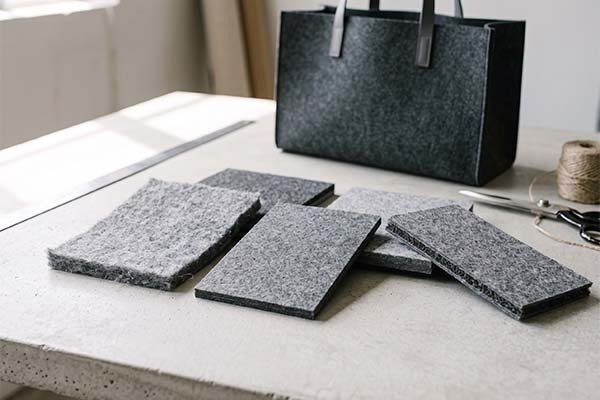
A small misunderstanding about material specifications ruins entire production runs. You can prevent these expensive errors by learning exactly how fiber measurements actually dictate final bag performance.
What Is Felt Density and How Is It Different From Felt Thickness?
Ordering felt without knowing the difference between density and thickness causes material failures. Your bags might tear or collapse under weight. Understanding these terms prevents expensive factory remakes.
Density measures the tightness of fibers, usually in kilograms per cubic meter. Thickness simply measures depth in millimeters. Two 3mm felt sheets perform completely differently if one has a compact fiber structure and the other is loose and airy.
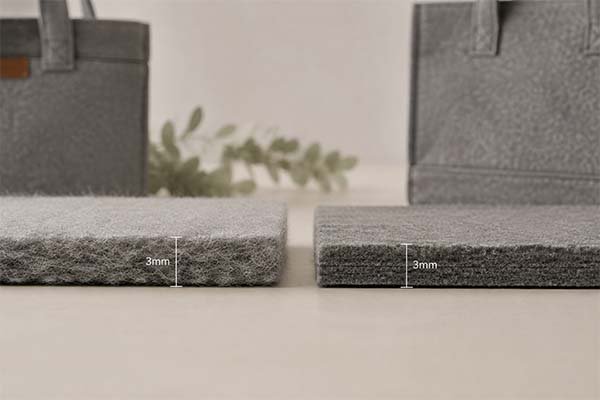
Breaking Down Thickness and Density
Thickness is what buyers ask for first. Standard commercial specifications include 2mm, 3mm, 4mm, or 5mm options. Thicker felt offers more physical structure and cushioning space. It also increases the material weight and shipping volume. Thicker does not automatically mean better.
Density describes how much material sits within that given volume. Think of two 3mm sponges. One is soft and airy. The other is firm and compact. They share the same thickness, but their density changes how they behave. Higher density felt provides better firmness, compression resistance, and shape retention. It creates a cleaner cut edge with less fraying.
We can compare these specifications clearly to understand their distinct roles in bag manufacturing. Thickness and density describe completely different characteristics. Buyers should not use one as a substitute for the other. For custom bags, density is usually the better predictor of long-term durability and polish. Thickness mainly determines the visual padding and seam bulk.
| Specification | What It Tells You | Main Impact |
|---|---|---|
| Thickness | Measured material depth in mm | Cushioning, appearance, visual bulk |
| Density | Fiber tightness in a given volume | Firmness, compactness, compression resistance |
| Poids | Heaviness of the finished product | Shipping costs, handling fees |
| Composition | What the fibers are made from | Surface durability, clean cutting |
For a broader explanation of density as a physical property, density is defined as mass per unit volume1, which helps explain why materials with the same dimensions can still behave differently.
What Is the Typical Density of Felt on the Market?
Assuming a standard market density leads to inconsistent batch quality. You might receive stiff bags one month and soft bags the next. You must verify actual material specs.
There is no universal default density for felt products. Fiber composition, manufacturing processes, and compression levels change the final density. Lower-density felt feels softer and lighter, while higher-density felt offers firmer structure and better shape retention.
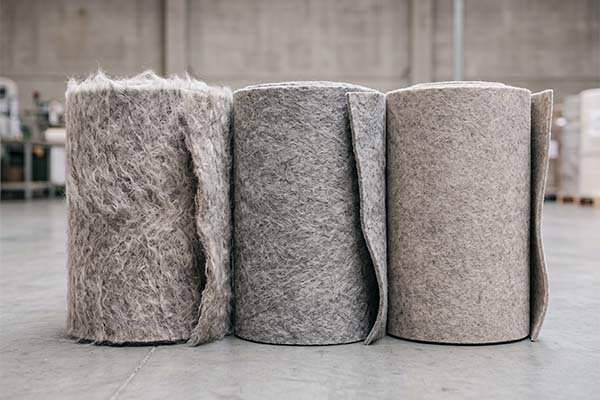
Evaluating Market Standards
Suppliers rarely list density as a primary specification on standard quotes. A standard factory quote usually shows thickness, width, length, material, color, and weight. A supplier might quote "3mm recycled polyester felt" without mentioning the density at all.
We see three general categories in the market. Lower-density felt is stretchy and highly compressible. Medium-density felt balances basic structure and flexibility. Higher-density felt stays firm, holds a crisp bag shape, and resists surface fuzzing better.
These are general tendencies rather than rigid universal standards. Two suppliers in China might produce 3mm felt bags, but their measuring methods and needle-punching processes differ. Even industrial wool felt grades vary widely. A physical sample gives you better data than a specification sheet. Always compare physical samples to evaluate the actual fiber tightness and performance.
If you are comparing fabric weight and material specifications during sourcing, our fabric weight chart provides additional context for understanding how material weight is commonly presented in bag manufacturing.
| Density Category | General Behavior | Common Bag Use Cases |
|---|---|---|
| Low Density | Soft, fuzzy, highly compressible | Pouches, interior linings, cheap organizers |
| Medium Density | Balanced structure, moderate stretch | Everyday totes, standard laptop sleeves |
| High Density | Firm, resilient, clean cut edges | Heavy-duty storage baskets, premium handbags |
How Do Felt Density and Thickness Affect Felt Bag Performance?
Weak bags damage brand reputation rapidly. If you pick the wrong felt specs, handles rip and shapes distort after a few uses. Material physics dictate your product’s lifespan.
A dense 3mm felt often outperforms a loose 5mm felt in abrasion resistance and shape retention. Density drives strength and surface durability. Thickness provides body and protection. Together, they determine how a bag handles weight, resists wear, and holds its form.
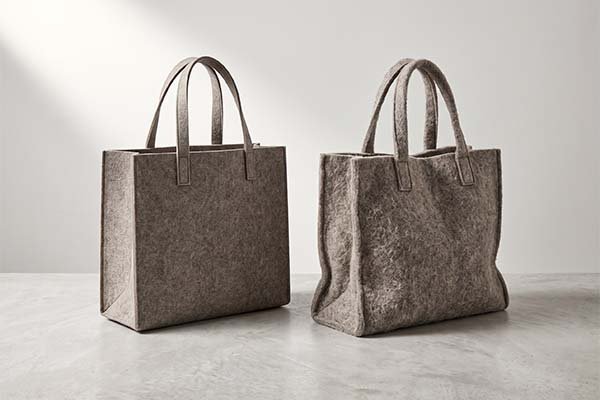
The Mechanics of Bag Performance
Structure and stiffness rely directly on both measurements. Increasing thickness adds visual bulk, but increasing density makes the fibers lock tightly together. This tight structural packing prevents storage bags and shopping totes from collapsing when empty.
A dense surface wears gracefully at corners and handles. It resists pilling. Density alone does not guarantee a perfect bag. Fiber quality and stitching methods also dictate durability. Hand feel changes dramatically based on these specs. Low-density felt feels soft. High-density felt feels smooth and premium.
Weight and cost change alongside these numbers. A denser felt uses more raw material per cubic meter. This increases the unit weight. A heavier bag increases your bulk shipping costs from China to the United States. A small change in fabric weight adds up quickly across 5,000 pieces. Cost depends on material composition, production process, and order volume.
For buyers developing a commercial product, comparing these material characteristics with the pros and cons of felt bags can also help connect material selection with the finished bag’s practical performance.
| Desired Bag Feature | Primary Driver | Secondary Driver |
|---|---|---|
| Sharp structural shape | High Density | Medium Thickness |
| Maximum impact padding | High Thickness | Low/Medium Density |
| Low shipping weight | Low Thickness | Low Density |
| Long-term durability | High Density | Quality Fiber Blend |
Why Can Two Felt Materials With the Same Thickness Perform Differently?
Relying purely on thickness causes massive blind spots. You order 3mm bags from a new factory and the overall quality drops. The hidden differences lie in the fibers.
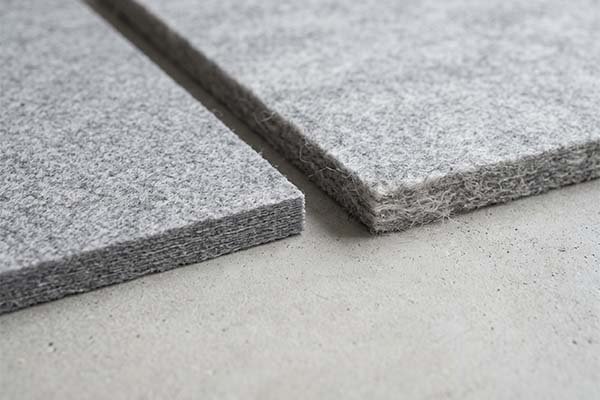
Materials with identical thickness perform differently because their fiber compositions and manufacturing processes vary. A 3mm recycled polyester felt behaves differently than a 3mm wool blend. The manufacturing compression changes the internal fiber arrangement, altering firmness, weight, and hand feel completely.
Beyond the Millimeter Measurement
Same thickness does not equal same structure. Picture Buyer Samuel asking three suppliers for 3mm felt bags. Supplier 1 quotes basic polyester. Supplier 2 quotes recycled polyester. Supplier 3 offers high-density recycled polyester. All three measure exactly 3mm. The resulting bags will have different weights, firmness levels, and prices.
Fiber composition changes the baseline strength. Wool felt provides natural water resistance and does not fray easily. Synthetic felt works well for inexpensive organizers, but low-quality versions compress and pill quickly.
The manufacturing process locks these fibers together. Heat treatment and needle punching determine how compact the material gets inside. Same thickness does not equal same density. Same density does not equal same performance. Comparing only thickness leads to inaccurate purchasing decisions. Buyers need complete specifications to evaluate suppliers accurately.
| Supplier Option | Specification | Resulting Performance |
|---|---|---|
| Factory A | 3mm, low density synthetic | Flimsy, pills easily, cheap |
| Factory B | 3mm, medium density rPET | Good balance, decent shape retention |
| Factory C | 3mm, high density wool blend | Very firm, crisp edges, premium feel |
How Should Buyers Choose the Right Felt Density and Thickness for Their Bags?
Guessing material specs wastes money instantly. You risk overpaying for heavy materials or buying cheap felt that fails. You need a practical framework to specify requirements.
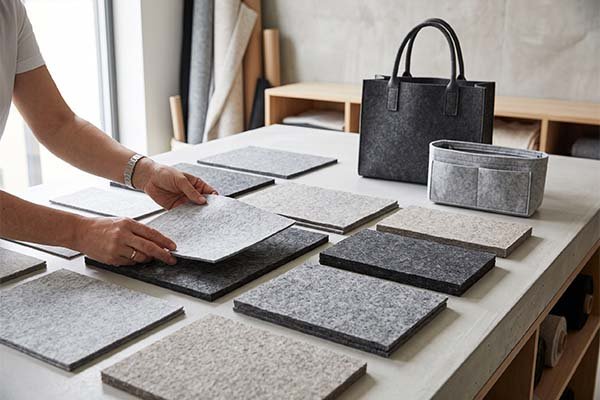
Start by defining the bag’s exact application. Use 2-3mm felt for flexible organizers and 3-4mm dense felt for heavy-duty totes. Always request physical samples to test stretch, fuzzing, and shape retention before placing any bulk factory order.
A Practical Sourcing Framework
Match the material directly to the job. A promotional giveaway does not need a high-density, 5mm wool blend. A daily retail tote needs dense, 3mm felt to survive heavy use. Choose density first for any load-bearing or exposed bag exterior. Look for a compact surface with no obvious holes.
Consider your shipping constraints carefully. A small difference in material weight adds up fast when you ship 10,000 bags. Avoid unnecessarily thick or dense materials if you want lighter cartons and lower freight bills.
Before buying yardage, order samples and do three quick tests. Pull the fabric diagonally to check for stretch. Rub the surface vigorously to check for fuzzing. Fold it sharply to see whether it springs back. If it passes those physical tests, the density works for you. When messaging a supplier, ask direct questions. Send an inquiry like: "Could you provide the felt thickness, material composition, unit weight, and density recommendation for this exact bag design?"
For projects where buyers need to specify material, color, size, and other production details together, the custom solutions process provides a useful reference for organizing those requirements before production.
| Bag Application | Recommended Thickness | Recommended Density Structure |
|---|---|---|
| Soft Pouch / Interior Lining | 1–2 mm | Low to Medium |
| Everyday Fashion Tote | 2–3 mm | High, compact surface |
| Laptop / Tablet Sleeve | 3–4 mm | High, with soft interior |
| Storage Basket | 4–5 mm | Très élevé |
If the application is specifically a laptop or tablet sleeve, you can also compare it with a wholesale felt laptop sleeve to see how a finished felt product translates material requirements into a commercial bag design.
Conclusion
Thickness measures material depth, while density measures fiber compactness. You need both numbers to determine bag quality. Balance density, thickness, material, and application needs to make smart sourcing choices.
Frequenty Asked Questions
Q: How does felt density affect logo printing on custom bags?
A: High-density felt provides a smoother, tighter surface. Screen prints and heat transfers stick better and look sharper. Low-density felt absorbs ink unevenly and makes logos look blurred or faded.
Q: Which felt specification is better for installing metal grommets or rivets?
A: Density matters most here. A tight fiber structure holds metal hardware securely without tearing. Thick but loose felt compresses over time, causing rivets to loosen and fall out during daily use.
Q: Do factories require a higher Minimum Order Quantity (MOQ) for custom felt densities?
A: Yes. Most suppliers keep standard 3mm medium-density felt in stock for low MOQs. If you need a specific high-density structure, the factory must run a new material batch. This usually pushes the MOQ above 1,000 meters.
Q: Does ordering a specific felt density delay production times?
A: Standard stock materials take days to prep. Custom density runs require adjusting the needle-punching machines and testing the output. Expect an extra 10 to 15 days on your initial production schedule.
Q: Does material thickness or density cause problems during the die-cutting process?
A: Both play a role, but extreme thickness causes more issues. Cutting 5mm felt can cause the heavy press blade to bevel, making the edges slanted. High-density 3mm felt cuts cleanly with straight, sharp edges.
Q: Will a denser felt bag resist water better?
A: Tighter fiber packing slows down water absorption slightly. Unless the felt has a specific waterproof coating or high wool content, water will eventually soak through regardless of the density measurement.
Q: Is it harder to match exact Pantone colors on high-density felt?
A: Yes. Denser packing means less light passes through the fibers. This physical change makes dyed colors look slightly darker or more muted compared to the exact same dye used on a loose, low-density felt sheet.
Q: Can end-users safely wash bags made of high-density felt?
A: Spot cleaning works best. High-density synthetic felt holds up to gentle hand washing. Machine washing agitates the fibers heavily. This causes shrinkage and ruins the carefully compressed structural integrity.
Q: How do I stop a felt bag from pilling and fuzzing over time?
A: Start by sourcing high-density material with long fibers. Loose, short fibers pull out easily through daily friction against clothing. A tight surface structure locks the fibers in place and minimizes pilling.
Q: Should bulk shipments of dense felt bags be packed differently?
A: Dense bags retain creases if folded flat under heavy carton pressure for weeks at sea. Ship structured bags lightly stuffed or flat-packed without hard folds. This ensures they look perfect when you open the carton.
-
OpenStax explains density as mass per unit volume, providing a neutral physics reference for understanding why materials with the same dimensions can have different densities. ↩




 English
  Deutsch
  Español
  Português
  Русский
  العربية
  Français
  Italiano
  日本語
日本語  한국어
한국어  Dansk
Dansk