Aller directement au contenu

Finding the right jewelry bagmaterial is difficult. Incorrect choices damage brand perception and lower product value. A strategic material selection protects the product and extends brand identity.
The best material for custom jewelry bags depends on brand positioning. Velvet provides premium protection for luxury brands. Cotton and microfiber offer practical, cost-effective solutions for daily storage. Satin delivers elegant presentation. RPET and natural linen support sustainable business strategies.
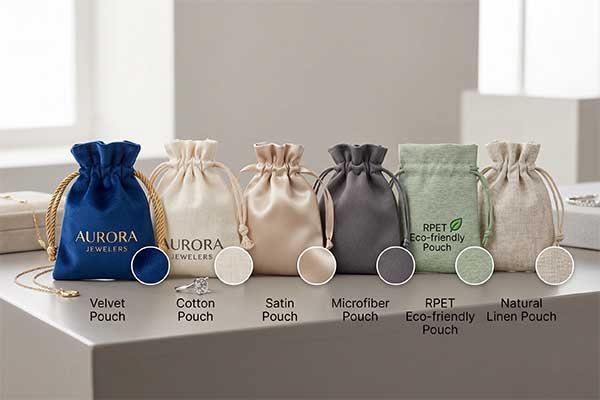
Transitioning from simple packaging to a strategic marketing solution requires careful analysis. Material selection directly influences customer retention and unboxing satisfaction. A detailed review of available materials prevents expensive procurement errors.
Why Do Different Jewelry Brands Need Different Bag Materials?
Generic packaging weakens brand value. Customers judge high-value items by their exterior first. Matching bag materials to specific brand identities creates a memorable unboxing experience and increases repurchases.
Different jewelry brands need different bag materials to reflect their market positioning. Luxury brands require premium textures to justify higher prices. Fashion brands need cost-effective visual appeal. Sustainable brands rely on recyclable materials to communicate environmental values and build trust.
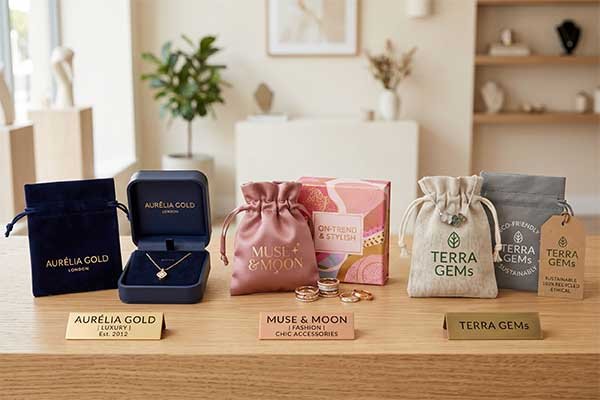
Jewelry belongs to a high-perceived-value product category. Consumers interact with the packaging before touching the product itself. This initial contact shapes their judgment. The packaging must function as a brand extension rather than a simple container. A well-chosen jewelry bag acts as a continuous marketing solution. It elevates brand recognition and encourages social media sharing. Reusable bags extend the brand exposure cycle significantly.
Different brand tiers have completely different procurement priorities.
Brand Tier Material Priorities
| Brand Type | Core Focus | Required Material Attributes |
|---|---|---|
| Luxury Jewelry | Brand premium and ritual | High-end tactile and visual experience |
| Fashion Jewelry | Trend alignment and cost | Visual appeal and budget control |
| Handmade Jewelry | Originality and story | Natural and authentic textures |
| Sustainable Jewelry | ESG compliance | Recyclable and reusable nature |
High-value items like diamonds and gold require protective, premium fabrics. Mid-range silver or pearl items need elegant but scalable solutions. Light luxury and fast fashion brands must balance aesthetics with strict budget constraints. Procurement managers must analyze the product value, target demographic, and overall business budget before selecting a material. This strategic alignment prevents market mismatch and ensures high operational efficiency.
What Are the Most Popular Materials for Custom Jewelry Bags?
Choosing materials without research wastes budgets. Incompatible fabrics fail to protect delicate items. A thorough understanding of material properties ensures a successful and cost-effective procurement process.
The most popular materials for custom jewelry bags include velvet, cotton, satin, microfiber, and RPET. Velvet offers luxury appeal. Cotton provides natural breathability and printing versatility. Microfiber delivers excellent scratch protection. Satin ensures high gloss, while RPET provides a sustainable packaging solution.
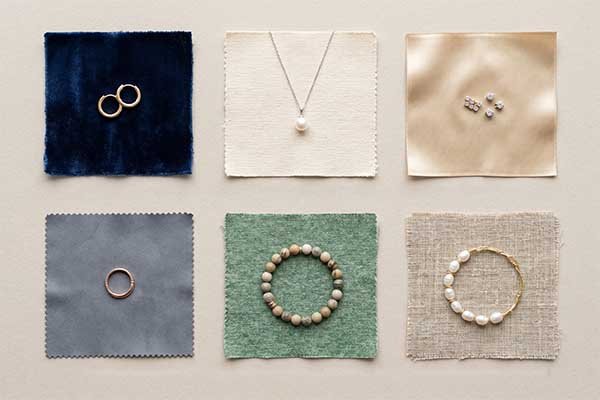
Selecting the exact fabric requires comparing visual appeal, protection levels, and customization flexibility. Each material offers specific advantages for different commercial applications.
Primary Material Characteristics
| Matériau | Key Advantage | Common Application |
|---|---|---|
| Coton | Versatile and breathable | Handmade and eco brands |
| Velours | High perceived value | Luxury and bridal jewelry |
| Satin | Elegant presentation | Fashion and subscription boxes |
| Lin | Natural texture | Organic and niche designers |
| Microfibre | Scratch resistance | Watches and high-value pieces |
| Tyvek | Waterproof and modern | Creative museum merchandise |
Sacs en coton are soft, natural, and highly suitable for various printing techniques. They offer moderate costs but lack a high-end feel. Velours1 delivers immediate luxury and soft protection but carries higher procurement costs. Satin provides strong gloss and color expression at a lower cost than velvet, making it ideal for fashion brands. Microfibre2 excels in durability and scratch prevention, extending the lifespan of the packaging. Tyvek offers a unique paper-like appearance with lightweight and waterproof properties. Analyzing these factors helps marketing managers choose materials that align with their brand extensions.
How Do Luxury, Fashion, and Handmade Brands Choose Jewelry Bags?
Selecting inappropriate packaging harms specific market positioning. A fashion brand using expensive velvet loses profit margins. Understanding industry standards prevents costly misalignments between product tier and packaging material.
Luxury brands choose velvet or microfiber to maximize brand premium and customer experience. Fashion brands select satin or cotton to control costs while maintaining visual appeal. Handmade brands prefer cotton or linen to communicate natural origins, authenticity, and distinct brand stories.

Different industry sectors evaluate packaging materials using different criteria. The selection process must reflect the specific business model and customer expectations. A mismatch here reduces the effectiveness of the marketing solution.
Industry Selection Criteria
| Industry Segment | Besoin primaire | Recommended Materials |
|---|---|---|
| Luxury Brands | Maximum ritual and premium feel | Velvet, Microfiber |
| Fashion Brands | Fast updates and cost control | Satin, Cotton |
| Handmade Brands | Storytelling and originality | Cotton, Linen |
| Corporate Gifts | Budget and standardization | Non-woven, RPET |
Luxury jewelry brands prioritize the unboxing ritual. The packaging must feel as valuable as the product inside. Velvet and microfiber deliver this required premium touch. Fashion jewelry brands manage multiple SKUs and fast seasonal updates. They need materials like satin and cotton that look good but keep procurement costs low. Handmade jewelry brands rely heavily on brand storytelling. Their packaging must feel original and natural. Unbleached cotton and linen communicate this authentic vibe perfectly. E-commerce brands, subscription boxes, and wedding jewelry companies must all align their material choices with their distinct operational models.
What Sustainable Materials Are Available for Custom Jewelry Packaging?
Ignoring environmental trends risks customer alienation. Strict retail standards reject non-compliant packaging. Adopting sustainable materials ensures market access and appeals to the growing segment of eco-conscious consumers.
Available sustainable materials for custom jewelry packaging include RPET, organic cotton, natural linen, and recyclable Tyvek. These materials reduce environmental impact while maintaining high aesthetic standards. They help brands meet ESG requirements, enhance corporate image, and satisfy strict purchasing policies.
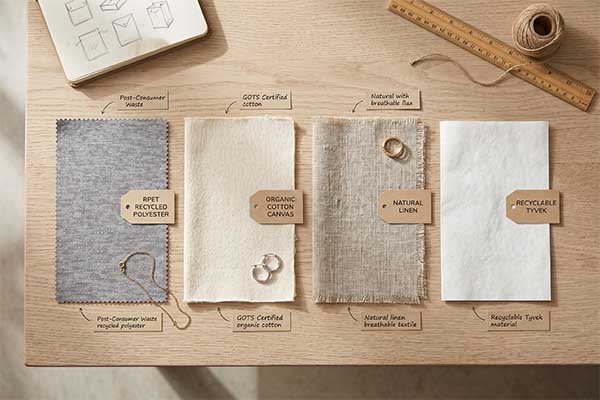
Sustainable jewelry packaging is a fundamental business requirement today. Consumer environmental awareness continues to rise globally. Brands face increasing ESG (Environmental, Social, and Governance)3 demands. Major retail channels now enforce strict environmental standards for all packaging components.
Sustainable Material Options
| Sustainable Material | Environmental Source | Key Brand Benefit |
|---|---|---|
| RPET | Recycled plastic bottles | Fits corporate sustainability projects |
| Organic Cotton | Chemical-free farming | Appeals to health-conscious buyers |
| Lin | Natural plant fibers | Provides an organic, raw aesthetic |
| Tyvek | Recyclable synthetic | Offers durable, modern design |
RPET bags utilize recycled plastic bottles, offering a highly sustainable solution that fits corporate ESG goals perfectly. Coton biologique eliminates harmful chemicals during production, presenting a clean and safe option. Recyclable Tyvek provides a modern, minimalist look while remaining fully recyclable. Utilizing these green materials transforms a simple bag into a powerful brand extension. It enhances customer loyalty and creates positive social media interactions. Procurement managers must integrate these sustainable options to maintain long-term competitive advantages in global markets.
How Can the Right Jewelry Bag Material Support Brand Positioning?
Choosing bags solely based on lowest price ruins brand value. Poor material selection creates a negative customer experience. Strategic material alignment transforms packaging into a highly effective marketing solution.
The right jewelry bag material supports brand positioning by communicating value before the product is seen. Velvet projects luxury, while RPET signals environmental responsibility. Aligning the material with the target audience and product tier ensures the packaging acts as a true brand extension.
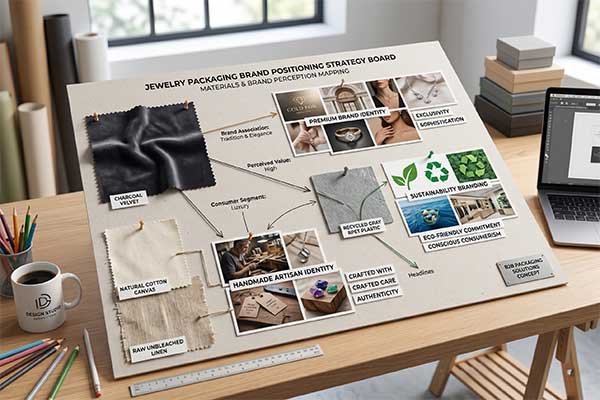
Many procurement managers make the mistake of focusing entirely on unit price. This approach ignores the long-term impact on brand construction. The material itself communicates a specific market level. Consumers evaluate the brand tier through the tactile feel of the packaging.
Material and Positioning Alignment
| Brand Positioning | Ideal Material Focus | Objective |
|---|---|---|
| High-End Luxury | Velvet, Suede | Maximize perceived value |
| Sustainable/Eco | RPET, Organic Cotton | Highlight environmental commitment |
| Modern Fashion | Satin, Fine Cotton | Balance aesthetics and budget |
| Cost-Driven Promotional | Non-woven, Standard Cotton | Maximize distribution volume |
Finding the optimal custom jewelry bag requires clear strategic planning. Businesses must define their brand positioning, target demographics, and budget limits first. Procurement teams must avoid ignoring the unboxing experience. Partnering with a professional B2B manufacturer ensures access to the right material options. Testing physical samples before mass production is a mandatory step. This objective evaluation process guarantees that the final packaging solution enhances the brand image and generates a positive return on investment.
Conclusion
Selecting the ideal jewelry bag material requires balancing brand positioning, product value, and target audience needs. A strategic choice transforms packaging into a powerful marketing solution that drives long-term business growth.
FAQs About Custom Jewelry Bag
Q: How do custom jewelry bags function as a marketing solution?
A: Custom packaging extends brand visibility beyond the initial purchase. A well-designed bag encourages daily reuse, acting as a continuous physical advertisement and brand extension for the jewelry company.
Q: What printing methods ensure clear logos on textured materials like linen?
A: Silkscreen printing and heat transfer are highly effective for textured fabrics. These methods ensure sharp edges and prevent ink bleeding on natural fibers, maintaining a professional brand image.
Q: How can a brand maintain color consistency across different packaging batches?
A: Specifying exact Pantone color codes and requesting pre-production physical samples for every new batch prevents color variation. This ensures strict quality control and protects the brand identity.
Q: Are there structural differences between standard pouches and premium jewelry bags?
A: Premium options often incorporate advanced designs, such as three-layer structures (outer fabric, internal padding, and soft lining). This structural solution provides superior protection and a higher-value presentation compared to standard single-layer bags.
Q: What is the best way to handle packaging for mixed jewelry collections?
A: Utilizing versatile materials like high-grade cotton in varying sizes allows brands to unify the packaging design. This approach accommodates large statement pieces and small rings while maintaining a consistent visual identity.
Q: Can custom jewelry bags include anti-tarnish properties?
A: Specific inner linings can be treated with anti-tarnish solutions. This added feature protects silver and mixed-metal jewelry from oxidizing during transit and daily storage.
Q: How does switching to sustainable materials impact packaging budgets?
A: While materials like RPET or organic cotton have different cost structures, they function as strong brand extensions that appeal to eco-conscious buyers. This strategic choice often improves overall market positioning and return on investment.
Q: What factors influence the production timeline for customized packaging?
A: Complex customizations, such as specialized woven labels, intricate embroidery, or custom-dyed fabrics, require additional production steps. Clear specifications and early project planning ensure stable delivery schedules.
Q: How should a startup jewelry brand test new packaging designs?
A: Procuring a small batch of physical samples before committing to mass production is essential. This allows the procurement team to evaluate material feel, logo application, and overall aesthetic safety.
Q: Do custom jewelry bags require specific care instructions for end-users?
A: Including a small printed care card helps buyers maintain the bag properly. Simple instructions, like hand-washing cotton or spot-cleaning microfiber, ensure the packaging remains a functional brand asset for years.
-
Velvet is a type of woven tufted fabric in which the cut threads are evenly distributed with a short, dense pile, giving it a distinctive soft and premium tactile feel. ↩
-
Microfiber is a synthetic fiber known for a diameter of less than ten micrometers, providing exceptional softness, durability, and non-abrasive qualities ideal for protecting delicate surfaces. ↩
-
Environmental, Social, and Governance (ESG) criteria constitute a set of operational standards that socially and environmentally conscious entities use to evaluate corporate behavior and sustainability. ↩

 English
  Deutsch
  Español
  Português
  Русский
  العربية
  Français
  Italiano
  日本語
日本語  한국어
한국어  Dansk
Dansk