Skip to content

Many businesses buy the wrong wholesale bags. Poor packaging ruins customer trust and wastes money. Learning these common mistakes protects brand image today.
Bags are not just simple packaging. They are a powerful marketing tool. Many brands lose money by choosing cheap materials, bad sizes, or messy designs. Building trust and getting free daily advertising happens when companies buy high-quality custom bags.
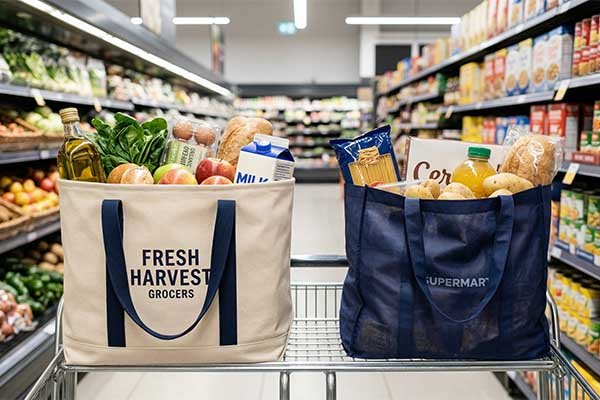
People might think a bag is just a way to carry things. But a bad bag sends a very bad message to customers. Let us look at the top mistakes companies make with custom bags so these errors can be avoided.
Why Do Many Businesses Choose the Wrong Wholesale Bags for Their Needs?
Companies need bags for stores or events. Picking a basic tote bag often fails to hold items well. Matching the bag to its exact purpose is necessary.
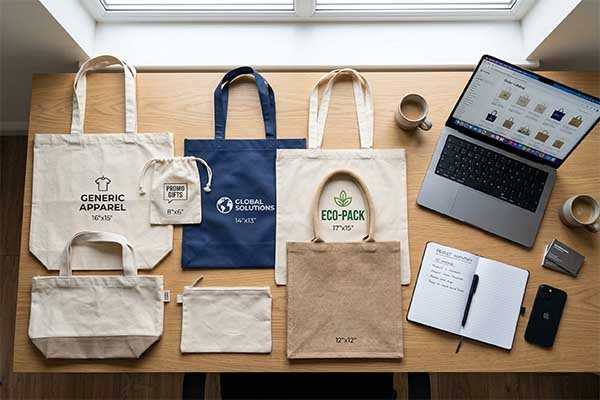
Businesses often choose the wrong wholesale bags because they do not define the specific use case. A wine brand needs a different bag than a retail store. Picking the right style, like a drawstring or tote, fits exact product needs.
The Problem with One Size Fits All
Many companies try to use one type of bag for everything. This is a big mistake. A basic cotton tote cannot hold heavy wine bottles safely. The bottles will shake and might break. This makes the brand look very unprofessional. Customers will feel annoyed. They will not use the bag again. This ruins a great chance for repeated brand exposure. Budgets are wasted on useless items.
Match the Bag to the Goal
Procurement managers must always think about the specific event or product. It is important to ask what the customer will do with the bag. Will they carry groceries? Will they give it as a gift? Will they use it at a trade show? Different goals require different solutions.
Best Bag Choices by Use Case
| Business Type | Common Mistake | Better Bag Choice | Reason |
|---|---|---|---|
| Wine Brands | Standard flat tote bag | Custom wine bag with dividers | Holds bottles safely and looks premium. |
| Retail Stores | Flimsy plastic bags | Sturdy canvas tote bags | Encourages reuse and builds brand loyalty. |
| Event Planners | Too small promo bags | Roomy drawstring bags | Easy to carry while walking around. |
Selecting the right bag type stops bad customer experiences. It also makes wholesale bags for business a smart investment.
How Does Poor Bag Quality Affect Your Brand Image and Customer Experience?
A customer carries a new bag. The strap breaks quickly. The customer feels angry and blames the brand. Choosing strong materials keeps a good reputation.
Poor bag quality destroys brand trust directly. Customers think a cheap bag means a cheap brand. If straps tear or prints fade, people throw the bag away. High quality custom bags show care for details and provide a better experience.
Cheap Materials Cause Real Damage
Companies might want to save money on orders. Choosing the thinnest fabric is a bad idea. When straps crack or fabric tears, the customer gets frustrated. They might drop their items. They will not trust the brand next time. The business also loses money. Broken bags must be replaced. Stores also lose customers who walk away.
The Link Between Quality and Perception
Customers judge a brand by the bag they hold. A strong, thick bag feels expensive. A thin, wrinkly bag feels cheap. Brands must choose the right fabric weight. The industry calls this GSM (Grams per Square Meter). A higher GSM means a thicker and stronger bag. Attention to these details is vital.
Material Choices for Different Needs
| Bag Material | Best Use Case | Quality Benefit |
|---|---|---|
| Cotton Canvas | High-end retail | Very durable and feels soft. |
| 不織布 | Large events | Low cost but holds basic shapes well. |
| RPET | Eco-friendly brands | Made from recycled bottles, strong and green. |
Factories must always test the seams and straps. Eco friendly bags wholesale orders need durable materials. Durable tote bags bulk orders protect brand image over the long term.
What Size and Structure Mistakes Do Buyers Make When Ordering Custom Bags?
A company orders thousands of bags. Products do not fit inside them. Money is wasted on useless packaging. Planning the exact size and shape is vital.
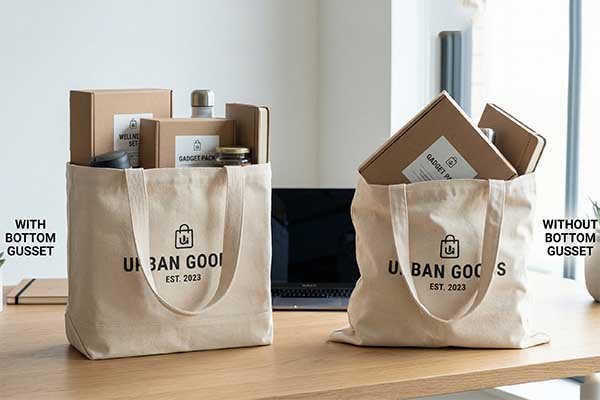
Buyers often guess the size and ignore the bag structure. They forget to add a bottom gusset for thick items. If a custom size packaging bag is too tight or lacks depth, it cannot hold products safely. Designing size based on actual items is required.
The Danger of Guessing Dimensions
Many buyers just look at a picture and guess the size. They think the bag looks big enough. This leads to disaster. A beautiful bag is useless if it cannot fit a laptop or a water bottle. If a retail bag is too shallow, items will fall out. If it is too big, the product looks small and sad inside. Strict control over custom bag sizes is necessary.
Forgetting the 3D Structure
A bag is not just flat. It needs depth to hold real objects. Many new brands forget about the gusset. The gusset is the extra fabric at the bottom or sides. Without a gusset, a wine bag size is wrong and the bottle will tip over. A flat bag cannot stand up on its own.
Key Structural Features to Check
| 特徴 | What It Does | Common Mistake |
|---|---|---|
| 底マチ | Adds depth to the base. | Ordering flat bags for bulky boxes. |
| Strap Drop | Determines how the bag hangs. | Making straps too short for shoulders. |
| クロージャー・タイプ | Keeps items secure inside. | Forgetting a zipper or button. |
Products must be tested inside a sample bag. Adding one or two centimeters of extra space helps. Checking the tote bag dimensions carefully fixes major structural errors.
Why Is Treating Custom Bags as Packaging Instead of Marketing a Costly Error?
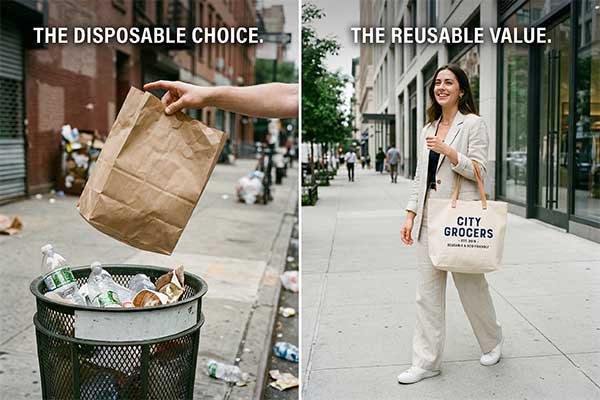
Bags are often treated like simple trash wrappers. Customers throw them away immediately. A massive chance for free advertising disappears. Designing bags that people want to keep is essential.
Treating custom bags only as packaging wastes their marketing power. A good bag acts as a walking billboard. Ignoring the design loses free daily brand exposure. Custom printed bags must look great so customers proudly carry them everywhere they go.
The Missing Billboard Opportunity
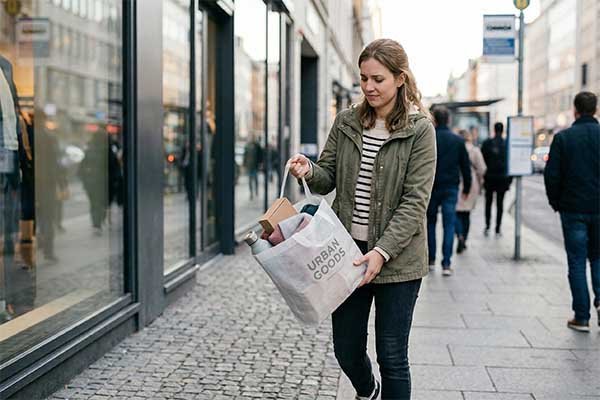
Many businesses think of bags only at the checkout counter. They just want a cheap way to hand over goods. This mindset costs money. Every time a customer walks down the street with a bag, they advertise the business. If the bag is ugly or weak, it goes in the trash. Hundreds of potential views are lost. Branded tote bags have great marketing value.
The Cost of Visual Noise
Sometimes companies try too hard. They put too many words, huge logos, and crazy colors on one bag. This creates visual noise. The design looks messy. Customers do not want to look like walking flyers. They will hide the bag in a closet. Clear, simple, and attractive artwork is needed for promotional bags for business.
Marketing Value vs. Simple Packaging
| Approach | Customer Action | Result for Brand |
|---|---|---|
| Cheap single-use bag | Throws it away at home. | Zero extra exposure. |
| Messy, ugly promo bag | Hides it in a drawer. | Wasted printing costs. |
| Clean, stylish reusable bag | Takes it to the grocery store. | Hundreds of free local impressions. |
Clean fonts and balanced colors are a good investment. Designs must look like lifestyle accessories. This makes customers want to use them daily.
How Can the Right Custom Printed Bags Increase Brand Exposure and ROI?
A lot of money goes to digital ads while physical items are ignored. Brands remain easily forgotten. Using well-designed bags keeps a business in customers’ minds every day.
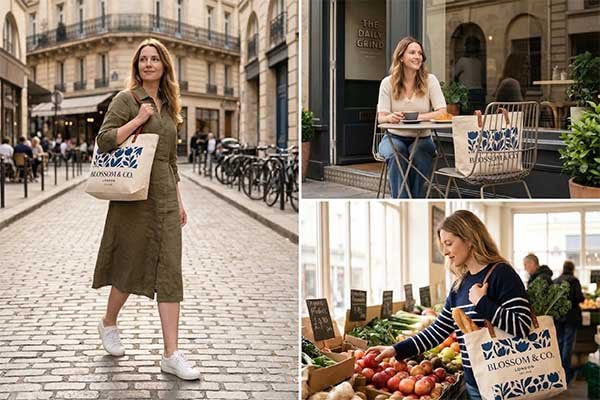
The right custom printed bags increase ROI through high reuse rates. When a customer uses a strong, stylish bag fifty times, the cost per impression drops. Bulk custom tote bags build brand memory and bring shoppers back to the store again and again.
High Frequency Drives Brand Memory
A well-made custom bag changes the game. A customer goes to the gym, the park, or the supermarket. They take reusable promotional bags with them. Other people see the clear logo from three meters away. This repetitive exposure builds strong brand memory. When people remember a brand, they buy from it again. This improves the Return on Investment (ROI) dramatically.
Building a Consistent Identity
Visual identity must remain strict. Every bag produced must use the same exact logo, colors, and fonts. If styles change too often, people get confused. Consistent custom printed bags wholesale orders make a brand look very professional and large. Solid trust is built this way.
Steps to Maximize Bag ROI
| Focus Area | Action Step | Business Benefit |
|---|---|---|
| 印刷品質 | Use high-contrast, clear fonts. | Logo is readable from far away. |
| Visual Identity | Stick to one simple style guide. | Builds strong, fast brand recognition. |
| Bag Photography | Show the bag being worn in photos. | Increases online sales and perceived value. |
Good materials, proper sizes, and sharp printing must be combined. This turns a simple expense into a powerful, money-making asset for any company.
結論
Bags are powerful business tools. Avoiding cheap materials, bad sizes, and messy designs is important. Choosing high-quality custom bags builds trust and increases daily brand visibility successfully.
Q: How can a business ensure the bag size is correct before placing a bulk order?
A: Requesting a physical pre-production sample is the best method. Testing actual products inside the sample bag ensures the dimensions and bottom gusset provide enough space and structural support.
Q: Which printing method works best for complex or colorful logos on reusable bags?
A: Heat transfer or digital printing works well for multi-color and detailed designs. Screen printing is more cost-effective and ideal for simple, solid-color logos.
Q: How do buyers verify that RPET or organic cotton bags are truly eco-friendly?
A: Procurement managers should always ask suppliers for valid industry certifications, such as the Global Recycled Standard (GRS) for RPET or the Global Organic Textile Standard (GOTS) for organic cotton.
Q: Are high minimum order quantities (MOQs) always required for customized designs?
A: Not necessarily. Some factories offer digital printing or stock bag customization with lower MOQs, though the cost per unit may be slightly higher compared to large bulk orders.
Q: How long does it typically take to produce and receive a bulk order of printed totes?
A: Production usually takes 15 to 30 days, plus an additional 20 to 30 days for sea shipping. Air freight is much faster but significantly more expensive.
Q: Can custom printed canvas bags be washed without fading the logo?
A: Spot cleaning is highly recommended. Machine washing can shrink natural canvas materials and cause screen-printed logos to crack or fade over time.
Q: How can a brand guarantee the bag color perfectly matches exact company guidelines?
A: Providing specific Pantone (PMS) color codes to the manufacturer ensures precise fabric dyeing and accurate ink matching for all logos and branding elements.
Q: Are there hidden fees to watch out for when ordering promotional bags?
A: Buyers should always ask suppliers to clarify setup fees, plate charges for printing, sample costs, shipping fees, and potential import duties before finalizing a quote.
Q: What kind of closures are most durable for heavy-duty business bags?
A: Metal snap buttons or heavy-duty nylon zippers are highly reliable. They add a premium feel while preventing items from falling out during transit.
Q: What artwork file format is required to ensure a clear and sharp logo print?
A: Vector files, such as AI, EPS, or SVG, are essential. These formats allow the factory to resize the artwork without losing any image quality or creating blurry edges.

 日本語
日本語  English
  Deutsch
  Español
  Português
  Русский
  العربية
  Français
  Italiano
  한국어
한국어  Dansk
Dansk