コンテンツへスキップ

Are you struggling to pick the right logo method for 1,000 custom felt bags? A bad choice ruins your budget and brand image. Let us fix that.
Screen printing gives simple logos a cost-effective, flat finish perfect for large volumes. Embroidery costs more but creates a premium, textured look. Your decision must align directly with your logo design, order quantity, material thickness, and project budget.
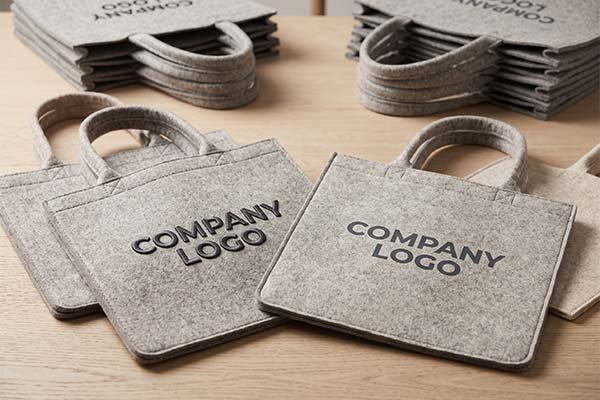
Deciding between ink and thread requires more than picking what looks nice on a screen. You need to lock down a real production strategy to avoid unexpected delays.
What Printing and Customization Methods Can Be Used on Felt Bags?
Waiting to pick your logo method until the final quoting stage delays samples and spikes costs. You lose control over your production schedule entirely.
Factories primarily use screen printing for flat ink designs and embroidery for raised thread logos. Depending on artwork complexity, suppliers can also offer heat transfer or digital printing. Choosing early locks in your true sample cost and timeline.
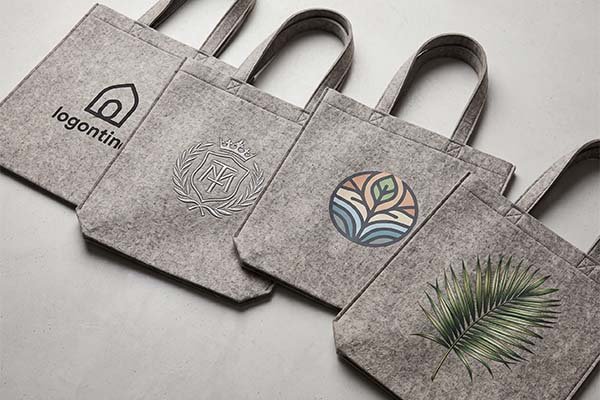
The Mechanics Behind Ink and Thread
To get a clear picture of how printing works on felt, you need to understand the physical mechanics. Screen printing requires a physical mesh screen1 for every single color in your design. A squeegee pushes wet ink aggressively through this mesh directly onto the felt surface. When you order 5,000 bags for a trade show in Sydney, the factory only makes one set of screens. This keeps the unit price very low as volume scales. The ink sits flat on the fuzzy felt, creating a sharp edge.
Embroidery works completely differently. A heavy industrial machine uses fast needles to drive thick thread straight into the felt. This builds a dense 3D shape. This looks expensive and feels highly textured. But you must pay for every single stitch on every single bag.
You are not stuck with just two options. If your artwork contains five colors or photographic gradients, basic ink screens will fail. You will need a digital film transfer or heat press method instead.
| Method | Setup Cost Basis | Best Logo Type | Visual Finish |
|---|---|---|---|
| スクリーン印刷 | Per ink color | Simple shapes | Flat ink |
| 刺繍 | One-time digitizing | Premium brands | Raised thread |
| 熱伝達 | Per piece size | Detailed art | Printed patch |
| Digital Film | Per piece size | Multi-color | Photographic |
How Do Screen Printing and Embroidery Affect Bulk Order Costs?
Surprise fees drain your profit margins. Guessing which method costs less leads to unexpected budget overruns when ordering thousands of units from your supplier.
Screen printing spreads fixed setup fees across large quantities, dropping the per-unit cost significantly. Embroidery pricing relies heavily on exact stitch counts and design density. A small, light stitch often costs less than a massive, multi-color ink print.
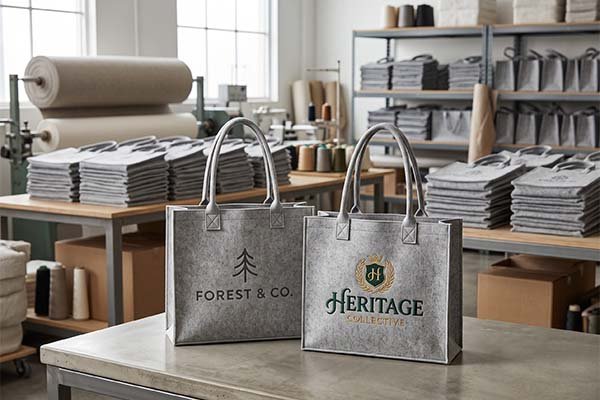
Fixed Fees vs Variable Production Costs
You need to break down how factories quote these two methods. They handle fixed costs and variable costs in opposite ways. Printing charges a flat fee to create the mesh screens. If your logo has three colors, you pay for three screens. For an order of 100 bags, those screen fees make each bag expensive. Change that order to 10,000 bags, and the screen fees practically vanish. The actual ink and labor cost per bag stays incredibly low.
Stitching mostly ignores colors. The factory charges a one-time fee to digitize the file. This translates the image into needle paths. After that, they price the bag purely on the number of stitches. A solid 4-inch square logo takes thousands of stitches. It eats up machine time. That drives the unit price through the roof, regardless of whether you order 500 or 5,000 units. A huge design simply takes too long to sew.
| Cost Factor | スクリーン印刷 | 刺繍 |
|---|---|---|
| Setup Fee | Charged per ink color | Digitizing fee (flat) |
| Volume Benefit | Massive price drop | Moderate price drop |
| Complexity Penalty | Extra colors increase price | Dense fills increase price |
Which Customization Method Works Better for Different Logo Designs?
A busy logo with tiny text turns into a blurry mess on fuzzy material. Forcing the wrong artwork onto felt destroys your brand identity.
Screen printing easily handles one-color text and bold graphics with sharp edges. Embroidery struggles with tiny fonts and fine lines, as stitches sink into soft fabric. Complex gradients demand heat transfer methods to maintain clarity on rough surfaces.
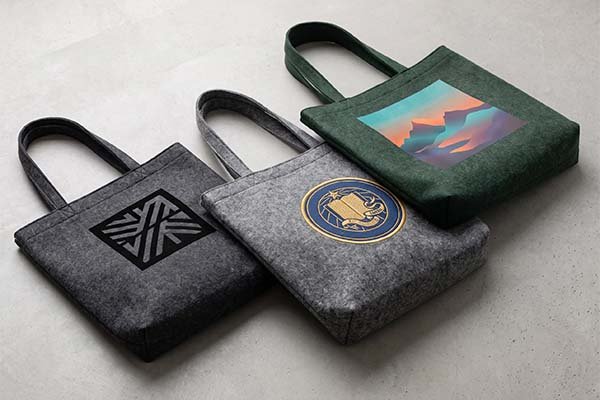
Matching Art to Physical Material Limits
Your logo file dictates the best production method. You cannot fight the physical limits of ink and thread. Screen printing likes big, solid shapes. The factory prints a thick layer of ink that bonds perfectly to the felt fibers. A one-color company name looks clean and highly visible. But if your logo features tiny 8-point text, the thick ink can blur those letters together. The wet ink spreads slightly on soft felt.
Embroidery looks premium until you add too much detail. Thick thread cannot replicate a thin pen line. If you shrink your logo down to fit a small pocket, the stitches will bunch up. A highly detailed crest that looks great on a computer monitor will look like a solid blob of thread on a real bag.
A massive front-panel graphic requires flat ink. A huge embroidered logo makes the felt panel stiff and heavy. The bag will pucker and fold badly during shipping.
| Artwork Feature | Print Performance | Embroidery Performance |
|---|---|---|
| Single solid color | 素晴らしい | 素晴らしい |
| Tiny fine text | フェア | Poor |
| Large cover graphic | 素晴らしい | Poor (too heavy) |
Which Method Is Better for Promotional, Retail, and Corporate Felt Bags?
Giving cheap-looking bags to VIP clients damages your reputation. Overspending on simple giveaway bags drains the marketing funds you need elsewhere.
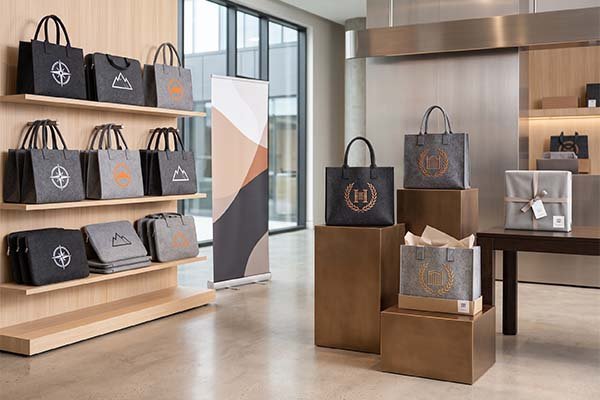
Use screen printing for large trade show giveaways to keep unit costs low. Choose embroidery for corporate gifts and retail packaging to increase perceived value. Your specific brand tier dictates whether a flat print or tactile finish serves you better.
Aligning Branding with Budget
You need to match the customization to the end user. The bag’s purpose determines your budget limits and quality requirements. If a tech company in Texas needs 5,000 bags for a weekend software convention, unit cost matters most. Screen printing delivers consistent brand visibility fast. The flat ink looks highly professional without inflating the marketing budget. The bags do their job and keep the supply chain moving smoothly.
Corporate gifting operates on completely different rules. A financial firm handing out 100 holiday gifts expects the packaging to feel expensive. Embroidery adds an upscale, tactile finish. The heavy thread makes the bag feel like a permanent keepsake rather than a disposable wrapper. The higher unit cost easily justifies the brand impact.
Online sellers must watch shipping weights. Thick embroidery adds minor weight but can cause stacking issues in tight cartons. Flat printing keeps boxes even and shipping costs predictable.
| Project Type | Main Priority | Best Fit |
|---|---|---|
| Volume Giveaway | Speed and unit cost | スクリーン印刷 |
| コーポレート・ギフト | Perceived brand value | 刺繍 |
| E-commerce Retail | Consistent unboxing | Depends on price point |
Screen Printing vs Embroidery: Which Should You Choose for Your Bulk Order?
Guessing your production specs leads to rejected batches and arguments with suppliers. Failing to lock down exact details guarantees supply chain delays.
Select screen printing for economical, bold, high-volume orders. Pick embroidery for premium, textured, lower-volume items. Always confirm felt thickness, request a physical sample of the logo on the actual bag, and review itemized setup fees before paying a deposit.
Define Your Order Specifications
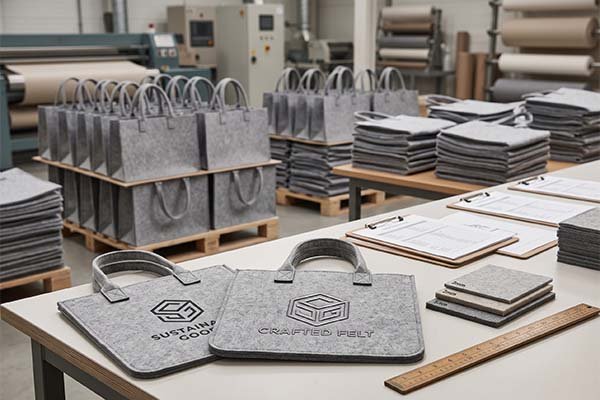
Before you wire funds to a factory in China, you must define exactly what you are buying. Assuming standard specifications will ruin your order. Suppliers use different grades of material constantly. Polyester craft felt takes wet ink very differently than a soft wool blend. You need to ask your account manager exactly what material they quoted for your project.
Demand a physical pre-production sample immediately. Do not accept a digital mockup. You need to rub the printed ink with your thumb to see if it cracks under pressure. You need to pull the embroidered bag forcefully to see if the fabric puckers around the tight thread.
Force the supplier to break down the final invoice clearly. Look at the blank bag cost completely separate from the decoration cost. Find the screen setups or digitizing fees line by line. Ask if they will waive those setup fees entirely on your next reorder.
| Your Order Priority | Recommended Action |
|---|---|
| Lowest practical cost | スクリーン印刷 |
| Premium physical texture | 刺繍 |
| Large bulk quantity | スクリーン印刷 |
| Complex exact colors | Digital Film Transfer |
結論
Your choice depends entirely on your specific logo art, exact quantity, and target audience. Evaluate the physical limits of ink and thread before placing your final order.
よくある質問
Q: Can I wash custom felt bags if they have a screen-printed logo?
A: Spot cleaning with a damp cloth is the best approach. Machine washing causes natural and synthetic felt fibers to shrink or warp. The agitation and hot water will also make the screen-printed ink crack or peel over time.
Q: Does embroidery on felt require a backing material on the inside?
A: Yes, factories must use a stabilizer. They apply a tear-away or cut-away backing behind the felt before sewing. This prevents the tight stitches from pulling the soft fabric out of shape. You will usually see this backing on the inside panel of the bag.
Q: Is it possible to match exact Pantone colors with ink on a dark felt bag?
A: Yes, but the factory must use a specific technique. Dark felt absorbs ink and changes its appearance. The printer must lay down a solid white underbase first. They print your requested Pantone color on top of that white layer to keep the color bright and accurate.
Q: Can I use both screen printing and embroidery on the exact same bag?
A: You can, but this significantly increases your unit price. The bag must go through two entirely separate production lines. A brand might print a large background pattern and then embroider a small primary logo on top. You need a large budget to justify this double process.
Q: Which custom decoration method is better for the environment?
A: Embroidery relies on thread, avoiding the chemicals found in traditional plastisol inks. However, many suppliers now offer water-based or soy-based eco-friendly inks for screen printing. You should ask your supplier directly about their specific ink chemistry if sustainability is a priority.
Q: Will the screen-printed ink peel off the felt after a few months of use?
A: Properly cured ink bonds tightly to the fuzzy fibers. It will not peel off on its own. However, heavy physical friction against the printed area will eventually wear the ink down. The surface fibers of the felt will shed over time, taking tiny bits of ink with them.
Q: Can I iron my felt bags if they arrive wrinkled from shipping?
A: You should never place a hot iron directly onto a screen-printed logo. The heat will instantly melt the ink and ruin the design. You can use a low-heat iron with a protective pressing cloth over an embroidered logo, but steaming is generally much safer for felt materials.
Q: Does the exact type of felt change how the factory sets up the embroidery?
A: Yes. A thick wool felt holds tight stitches much better than a thin, cheap polyester craft felt. The factory must adjust their machine tension, needle size, and thread type based on the exact material blend you choose for your order.
Q: Why do factories demand high minimum order quantities for custom printed bags?
A: Setting up the machines takes time and physical resources. The factory has to burn custom screens, mix specific inks, and calibrate the press. If they only make 50 bags, the labor and setup costs make the unit price too high for most buyers. Spreading those costs over 500 or 1,000 units makes economic sense.
Q: How long does the custom physical sampling process usually take?
A: Producing a physical sample usually takes 10 to 15 days after you approve the digital proof and pay the sample fee. Shipping that sample via air freight from China to the United States or Europe requires another 5 to 7 days. You should plan for about two weeks total before you can hold the bag in your hands.
-
The Art of Education provides a neutral explanation of screen printing, including the use of ink pushed through a stencil on a mesh screen. ↩
 English
  Deutsch
  Español
  Português
  Русский
  العربية
  Français
  Italiano
  日本語
日本語  한국어
한국어  Dansk
Dansk