Skip to content

Sourcing artificial leather bags often feels like a gamble. You see a beautiful product photo, but months later, the final product peels and cracks. How do you stop this nightmare before it damages your business reputation?
The key to avoiding quality issues lies in the material selection phase, not just production. Buyers must specify technical requirements like hydrolysis resistance, thickness, and backing type, rather than relying on photos. Testing samples for peeling, odor, and flexibility ensures long-term durability for B2B orders and prevents costly returns.
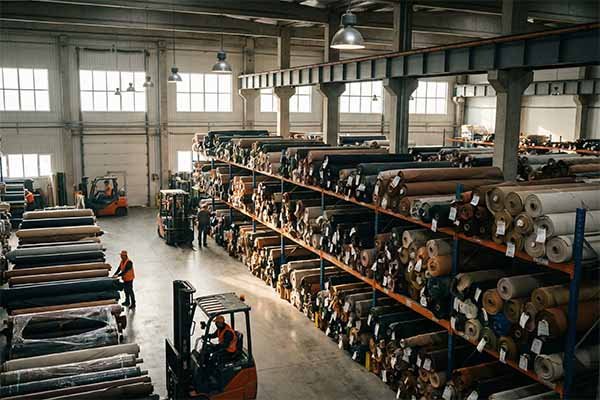
Many buyers focus entirely on the unit price, ignoring the technical specifications of the material. This oversight is the root cause of most quality failures.
Why Do Quality Issues Occur in Artificial Leather Sourcing?
Many buyers assume that if two materials look the same, they perform the same. This mistake leads to serious quality failures later.
Quality issues occur because different artificial leathers have vastly different chemical formulas, backing fabrics, and coating thicknesses. A photo cannot show you durability. Without checking these specs, you risk buying material that degrades quickly after a few months of use.
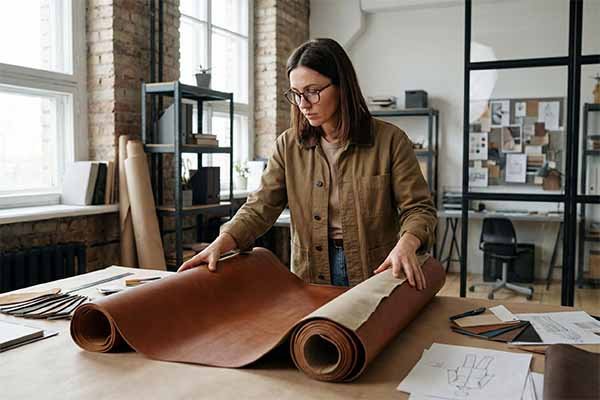
From my perspective as a manufacturer, the biggest trap for buyers is the "visual match." You might send a picture of a leather bag to a supplier and ask for the same thing. The supplier finds a material that looks identical in grain and color. However, the internal structure is often completely different.
Appearance does not equal quality. One piece of artificial leather1 might be high-grade Microfiber with a lifespan of 5 years. The other might be a low-end PU (Polyurethane) that will undergo hydrolysis and peel within 6 months. In a photo, they look exactly the same.
The difference lies in the formula, the thickness of the surface coating, and the strength of the base cloth. For example, a coating difference of just 0.1mm can change the abrasion resistance significantly. Problems with artificial leather rarely show up immediately. They are "time bombs." The material looks perfect when it leaves the factory. But after shipping and three months of usage, the chemical structure breaks down. This is why you cannot rely on a visual quote. You must dig into the invisible details of the material composition.
What Are Common Quality Problems with PU and Microfiber Leather?
You might face complaints about peeling bags or bad smells. These defects damage your brand reputation instantly.
Common problems include peeling coatings due to weak adhesion, strong chemical odors from cheap solvents, and color transfer on clothes. Inconsistent thickness and poor logo embossing results are also frequent issues that ruin the product’s perceived value.
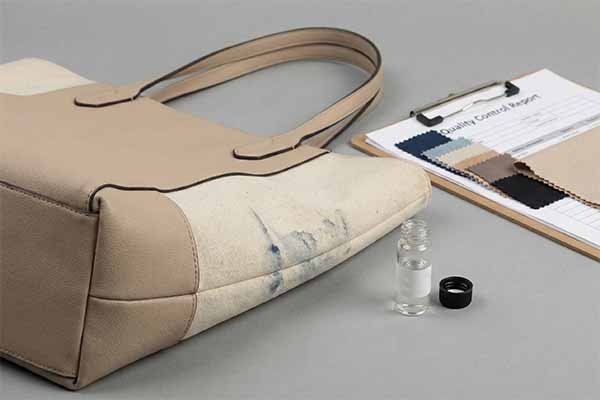
When we analyze customer complaints regarding artificial leather, five specific issues appear repeatedly. Understanding these problems helps you write better purchase orders.
1. Peeling and Cracking
This is the most fatal issue. It happens when the PU coating separates from the base layer. This usually results from poor "Hydrolysis Resistance." If the material is not stabilized for humidity, moisture in the air breaks the chemical bonds. The surface starts to flake off like dandruff.
2. Strong Odor
If you open a shipment and smell a sharp, chemical scent, the factory likely used cheap solvents or did not air out the material. This is often due to residual DMF (Dimethylformamide). It signals low environmental standards and can cause health concerns for your end consumers.
3. Color Fading and Transfer
Low-quality dyes are unstable. We often see "color migration," where a dark bag stains a user’s white shirt. This happens because the material failed the "rubbing test."
4. Inconsistent Thickness
Sometimes the sample is thick and luxurious, but the bulk production feels thin and cheap. This happens when the factory switches to a backing fabric that is 0.1mm or 0.2mm thinner to save costs.
5. Poor Logo Performance
Not all leather handles heat well. If you try to emboss a logo on a material with a thin coating, the logo will look blurry or disappear quickly.
| Issue | Cause | Consequence |
|---|---|---|
| Peeling | Hydrolysis / Thin Coating | Product becomes unusable |
| Odor | Solvent Residue | Customer rejects product |
| Color Transfer | Unstable Dye | Stains customer clothing |
| Thickness | Material Switch | Perceived value drops |
How Can Buyers Check Artificial Leather Quality Before Production?
Waiting for the final shipment to check quality is too late. You need to act during the sampling stage to save money.
Buyers should demand physical samples for immediate testing. Perform simple checks like folding the edge aggressively, scratching the surface with a key, and checking the backing fabric structure. These "hands-on" tests reveal weaknesses that data sheets might hide.
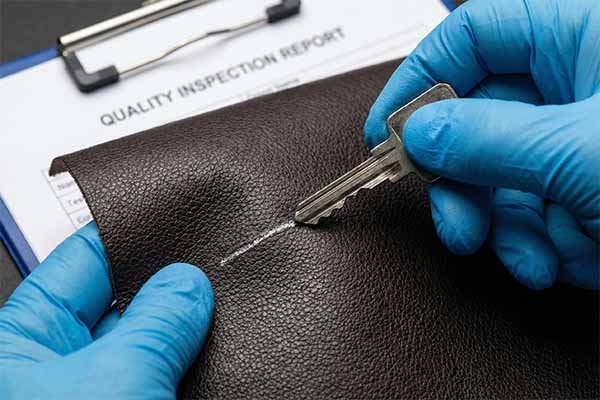
You do not always need a professional laboratory to spot bad material. You can perform "Golden Sample" verification and simple physical tests at your desk.
Don’t Just Trust the Parameter Table
Suppliers can write anything on a spec sheet. You must ask for a physical swatch. Once you have it, check the backing structure. Is it a woven fabric or a non-woven felt? Woven backings usually offer better tear strength. Check if the coating feels like a separate layer or if it is well-integrated.
The "Crumple and Scratch" Test
Take the leather sample and fold it hard. Rub the folded edge together aggressively for 30 seconds. This simulates months of wear at the corners of a bag. If you see tiny hairline cracks immediately, reject it. Next, take a key or a coin and scratch the surface. If the color lifts off easily, the coating is too thin.
The Hydrolysis Simulation
This is crucial for long-term B2B orders. If you cannot send it to a lab for the ISO 1419 test, try a simple home version. Place a sample in a sealed plastic bag with a cup of warm water (creating high humidity) and leave it in a warm spot for a week. If the surface becomes sticky or starts to peel, that bag will not last a year in a humid climate.
By verifying the "Golden Sample"—signing and dating the approved swatch—you force the factory to match that specific quality for the bulk order.
Why Cheap Artificial Leather Often Costs More in the Long Run?
Everyone wants to save costs, but cutting corners on leather material is a dangerous game. It often backfires expensively.
Cheap artificial leather leads to high returns and rework costs. While you might save 10% on the unit price, you risk losing customer trust. The hidden costs of replacing defective goods far exceed the initial savings.
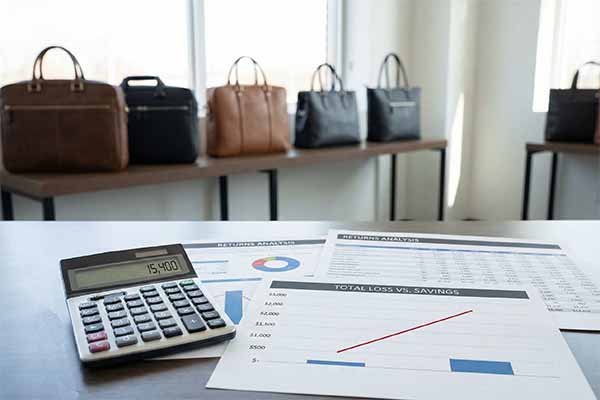
In my 15 years of experience, I have seen many buyers choose a supplier strictly because they were $0.50 cheaper per bag. This almost always leads to a "penny wise, pound foolish" situation.
When a factory offers a price significantly lower than the market average, they are likely cutting costs on the invisible parts of the artificial leather. They might use a formula with less hydrolysis stabilizer or a thinner backing cloth.
Let’s look at the math. If you save $1,000 on a procurement order but the bags start peeling after three months, your retail partners will return them. You now face shipping costs for returns, refund processing fees, and the complete loss of the inventory value.
Worse than the financial loss is the damage to brand trust. B2B buyers like Samuel Brown are looking for reliability. If you supply them with promotional bags that fall apart, they will never order from you again. The "hidden cost" of a lost client is far higher than the small savings on material. Investing in stable material is essentially buying insurance for your business reputation.
What Artificial Leather Is More Reliable for B2B Orders?
Choosing the right material for your specific product is crucial. You need a material that matches your product’s lifecycle.
For long-term B2B projects, Microfiber leather offers the best stability and durability. Standard PU is acceptable for short-term promotional items. Silicone leather is excellent for extreme durability but costs more. Always match the material to the bag’s intended use.
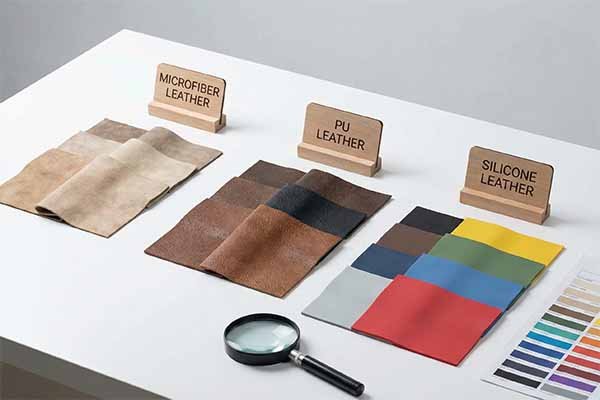
Not all B2B orders require the most expensive material. The secret is matching the material type to the usage scenario. Here is how we recommend materials to our clients.
1. Microfiber Leather: The B2B Gold Standard
If you are making retail backpacks, high-end tote bags, or corporate gifts meant to last for years, choose Microfiber. It simulates the structure of real leather using non-woven fiber technology. It is breathable, has high tear strength, and rarely peels. It is the most stable choice for long-term projects.
2. Standard PU (Polyurethane): The Budget Option
If you are producing cosmetic bags for a one-time promotion or packaging that will not be used heavily, standard PU is fine. However, you must specify "Hydrolysis Resistant" (at least 2-3 years) in your contract. Do not just ask for generic PU.
3. Silicone or High-Performance Vinyl
For outdoor gear or marine environments, standard PU will fail. Silicone-coated fabrics resist UV light, heat, and mildew much better. They are expensive but necessary for harsh environments.
4. Recycled Options (rPET / Vegan Leather)
Many Western brands now demand eco-friendly options. Make sure the "bio-based" or recycled leather actually has the durability certifications (like Martindale abrasion tests) to back up its eco-claims.
Summary table for decision making:
| 素材タイプ | 最適 | コスト | 耐久性 |
|---|---|---|---|
| マイクロファイバー | Premium Retail Bags | 高い | Excellent (5+ Years) |
| Standard PU | Promo / Event Gifts | 低い | Low/Medium (1-2 Years) |
| Silicone | Outdoor / Marine | 非常に高い | Superior (10+ Years) |
結論
To secure quality, you must define specific material specs, perform physical tests on samples, and choose the right leather type (Microfiber vs. PU) for your product’s intended lifespan.
Frequently Asked Questions
Q: Is "Vegan Leather" different from PU or Microfiber leather?
A: Technically, no. "Vegan Leather" is mostly a marketing term used to describe any non-animal leather, including PU (Polyurethane), PVC, and Microfiber. However, some newer vegan leathers are plant-based (like cactus or pineapple leather), which have different cost structures and durability profiles than standard synthetic options.
Q: How should I store artificial leather bags in my warehouse to prevent damage?
A: You must control humidity and temperature. High humidity accelerates hydrolysis in PU leather, causing it to peel even before it is sold. Keep the warehouse dry (below 60% relative humidity) and avoid direct sunlight or excessive heat, which can make PVC materials sticky or brittle.
Q: Can my customers use alcohol wipes to clean these bags?
A: You should advise against it on your care labels. Strong alcohol or solvent-based cleaners can dissolve the top coating of standard PU and PVC, leading to dull spots or color stripping. Recommend wiping with a damp cloth and mild soap instead.
Q: What is the "Cold Crack" test, and do I need it?
A: If you sell to markets with freezing winters (like Canada or Northern Europe), this is vital. Standard PVC can become as hard as plastic and shatter at low temperatures. You need to request "Cold Resistant" additives to ensure the material stays flexible at -20°C.
Q: Does a heavier material weight always mean better quality?
A: Not necessarily. A material can be heavy because it uses a cheap, dense filler powder in the base, rather than high-quality fiber. Instead of just looking at the weight (GSM), check the density and the tear strength of the backing fabric.
Q: How do I prevent creases and wrinkles during ocean freight?
A: Artificial leather "remembers" folds. If bags are packed flat and compressed under heavy cartons for 30 days at sea, deep creases will form. For high-end bags, ask the factory to stuff the bags with paper and ship them upright, or use silica gel packets to prevent moisture-induced warping.
Q: What is the difference between Bonded Leather and Artificial Leather?
A: Bonded leather is made from leather scraps shredded and glued together with polyurethane. It often lacks structural integrity and peels faster than high-quality synthetic Microfiber. We generally do not recommend bonded leather for durable goods.
Q: Why is the MOQ (Minimum Order Quantity) higher for custom colors?
A: Factories buy artificial leather in large rolls. If you want a specific Pantone color, the material mill must dye a fresh batch, usually requiring a minimum run of 500 to 1,000 yards. For smaller orders, we recommend selecting from "stock market colors" to keep costs and MOQs low.
Q: Do I need to worry about lead or heavy metals in artificial leather?
A: Yes, especially with older PVC formulations or cheap dyes. To comply with US regulations like California Prop 65 or EU REACH standards, you must explicitly instruct the supplier to use lead-free and phthalate-free materials in your purchase order.
-
Understanding the types of artificial leather can help you make informed choices about durability and quality. ↩
 日本語
日本語  English
  Deutsch
  Español
  Português
  Русский
  العربية
  Français
  Italiano
  한국어
한국어  Dansk
Dansk