Skip to content

Do you want your custom bags to look professional? A plain bag is boring and misses a marketing chance. We explain the top 5 printing methods to help your brand stand out.
The top five methods are screen printing, heat transfer, digital printing, UV printing, and embroidery. The best choice depends on your material, order quantity, and design complexity. Screen printing suits simple logos, while digital printing handles complex colors best.

Many business owners feel confused by the different printing names. We will break down each method clearly. You will understand which one fits your specific needs. Then you can make the right decision for your custom bags.
Why Is Bag Printing Important for Branding?
Are your plain bags ignored by potential customers? Missed branding opportunities hurt your growth. Custom printing turns simple packaging into a powerful marketing tool.
Printed bags display your logo and share your brand message. Unlike blank bags, customized packaging builds professionalism and brand recognition. This dual value of function and marketing makes printing essential for business growth.
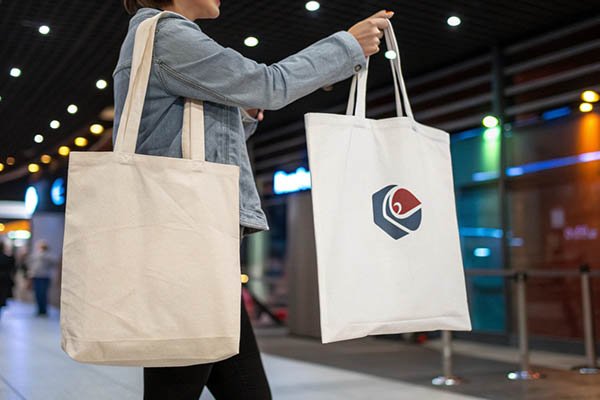
A bag with a logo does much more than just hold items. It acts as a walking advertisement for your company. When a customer carries a branded bag, they show your name to everyone on the street. This builds trust and makes your business look professional. A blank bag does not have this power. It is simply a container. Custom printing allows you to express your brand story. You can share your values through your design.
However, you cannot use just any printing method on any bag. Different materials like cotton, canvas, or polyester have different rules. Some materials do not absorb ink well. Others might melt under high heat. You also need to look at your order size. Large orders usually need different methods than small orders to stay within budget. The design matters too. A simple one-color logo is easy to print. A complex picture with many colors is much harder. You must choose the right match for the best result. This ensures your investment brings a return. The goal is to combine function with brand value perfectly.
How Do Screen Printing and Heat Transfer Differ?
Do you struggle to choose between screen printing and heat transfer? Picking the wrong one wastes money and time. We compare these two popular methods to help you decide.
Screen printing pushes ink through a mesh screen and is best for large orders with simple colors. Heat transfer uses heat to press a design onto the bag. It works better for small orders and complex, colorful images.
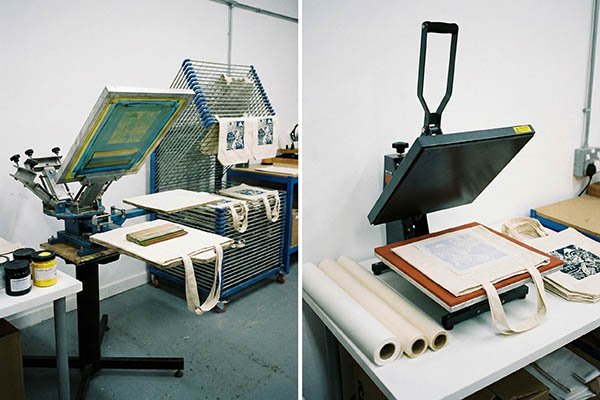
Screen printing is a very common method in the bag industry. It works by pushing ink through a mesh screen onto the fabric. This method is excellent for natural materials like cotton and canvas bags. The colors appear very bright and last a long time. It is the best choice if you have a simple logo with one or two solid colors. It is also very cheap if you order a large number of bags. The cost goes down as you print more. However, it is expensive for small orders. This is because making the screens takes time and costs money. You need a different screen for every color in your design.
Heat transfer works differently. It prints the design onto a special film first. Then, a machine uses heat and pressure to press the film onto the bag. This method is perfect for polyester, nylon, or coated fabrics1. It is also the right choice if your logo has many colors or small details. You can make small orders easily because the setup is fast. But there is a downside. The design might feel like a sticker on the surface of the bag. It might not last as long as screen printing if you wash it often. It creates a different texture than ink.
| 特徴 | スクリーン印刷 | 熱伝達 |
|---|---|---|
| Best Quantity | Large Orders | Small to Medium Orders |
| Color Durability | 非常に高い | 中程度 |
| Logo Complexity | Simple Solid Colors | Complex / Photos / Gradients |
| Setup Cost | High (Per Color) | 低い |
Why Choose Digital Printing for Full-Color Designs?
Does your logo have too many colors for standard printing? You might worry about the high cost of screens. Digital printing offers a modern solution for colorful, complex designs.
Digital printing sprays ink directly onto the fabric without using screens. This method is perfect for small batches and highly detailed images. It allows for full-color designs and quick production times.

Digital printing is like using a high-quality printer at home but for bags. It sprays the ink right onto the material. This is often called Direct-to-Garment2 or DTG printing. This method is a lifesaver for complex designs. If your logo has gradients or looks like a photograph, デジタル印刷3 is the answer. It captures every small detail clearly. You do not need to pay for printing plates or screens. This makes the setup very fast and cheap for small runs. It is great for testing a new design.
The ink feels soft on the bag because it soaks into the fibers. It does not feel heavy or thick like a plastic layer. This allows the fabric to breathe. This method is great for small businesses. You can order just a few bags for an event. You do not need to buy thousands at once. However, the cost per bag is higher than screen printing. It takes longer to print each bag one by one. It might not be the best choice if you need 10,000 bags. Also, it works best on natural fabrics like cotton. It ensures the colors stay bright and the image looks sharp. It gives you freedom with color without the setup fees.
What Makes UV Printing Ideal for Premium Logos?
Do you need a print that survives rough handling? Standard inks can fade or scratch over time. UV printing provides a durable and high-quality finish for premium products.
UV printing uses ultraviolet light to cure the ink instantly. This creates a very hard and durable surface. It produces sharp images with vibrant colors and works well on synthetic materials like RPET.

UV printing is a high-tech option for custom bags. The machine uses a special ultraviolet light to dry the ink immediately after it hits the surface. This process makes the print very strong. It resists scratches and wear much better than normal ink. The colors look very bright and clear. The edges of the logo are very sharp. This gives the bag a very expensive and modern look. It stands out because of its precision.
This method works very well on synthetic materials. You can use it on RPET bags, Tyvek, or smooth polyester bags. It adheres well to surfaces that might repel water-based inks. Because of the high quality, UV printing is great for corporate gifts. If you want to impress a client, this is a good choice. It shows that your brand cares about quality and durability. The cost is higher, but the result is worth it. It turns a simple bag into a premium product. It is perfect for brands that want to show a professional image. It is less common on soft, rough cotton but excellent for structured, smooth bags.
How Does Embroidery Create Durable Brand Impressions?
Do you want a logo that feels permanent and luxurious? Printed logos can sometimes peel or fade away. Embroidery adds a textured, 3D element that lasts for years.
Embroidery uses thread to stitch your logo directly into the bag material. It offers a premium look with a textured feel. This method is extremely durable but is not suitable for complex photos.
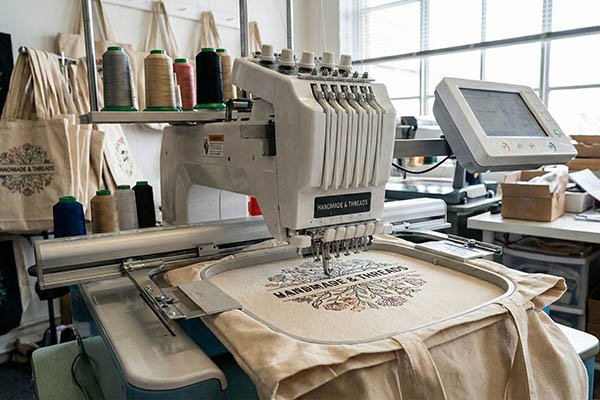
Embroidery is different because it uses thread, not ink. A machine stitches your design into the fabric. This creates a raised, 3D effect. When you touch the logo, you can feel the texture. This feels much more expensive than a flat print. It is very durable. The thread will not wash off or fade easily. It stays looking good for a very long time. It can handle rough use, which makes it great for travel bags or gym bags.
However, embroidery has limits. You cannot use it for a photo or a design with tiny details. The threads are too thick for that. It works best for bold text or simple shapes. It is perfect for heavy bags like canvas totes, denim bags, or leather goods. It is also great for high-end corporate gifts. It adds a touch of class to the product. It costs more than printing, but it adds value. It tells your customers that your brand is solid and reliable. The stitch count determines the price. More stitches mean a higher cost. It is a classic choice for a reason.
How to Pick the Right Printing Method for Your Bags?
Are you still unsure which method fits your project? Making the wrong choice can ruin your budget. We provide a simple guide to help you match your needs.
You must consider the material, design complexity, order size, and budget. Screen printing fits large orders, while digital works for small, complex batches. Choose embroidery for a premium feel.

Choosing the right method is about balance. You need to look at your specific situation. First, check your material. Cotton loves screen printing and digital printing. Polyester works best with heat transfer or UV printing. Second, look at your design. If you have a simple logo with one color, screen printing is the winner. It is crisp and clean. If you have a photo with many colors, choose digital printing or heat transfer.
Third, count your order size. If you order 1,000 bags, screen printing is the cheapest option. It creates the best margin for your business. If you order 50 bags, digital printing or heat transfer saves money on setup fees. Finally, think about the final look. If you want a luxury gift, choose embroidery. It looks professional and high-end. Do not just look at the price. Look at the value it brings to your brand. A cheap print on a nice bag looks bad. A good print makes the whole bag better.
| Goal | Recommended Method |
|---|---|
| Large Quantity, Simple Logo | スクリーン印刷 |
| Small Quantity, Complex Photo | Digital Printing / Heat Transfer |
| Premium Feel, Durable | 刺繍 |
| Synthetic Material, Sharp Detail | UV Printing |
結論
Selecting the right printing method ensures your brand looks professional. Consider your material, quantity, and design needs to create the perfect custom bag for your business.
Frequently Asked Questions
Q: Which file formats should I send for the best printing result?
A: For screen printing and embroidery, vector files like AI, EPS, or PDF are best because they can be resized without losing quality. For digital or heat transfer printing involving photos, high-resolution raster files (JPEG or PNG at 300 DPI or higher) are required to ensure the image looks crisp and not pixelated.
Q: Can I match my brand colors exactly using these methods?
A: Yes, but it depends on the method. Screen printing allows for precise Pantone (PMS) color matching, ensuring your logo looks exactly like your brand guidelines. Digital printing uses CMYK values, which can get very close but might have slight variations compared to a specific Pantone spot color.
Q: Is it possible to print on the handles or the bottom of the bag?
A: Printing on handles or gussets (the sides/bottom) is difficult on ready-made bags because the seams get in the way. If you need printing in these specific areas, it is usually best to order "cut-and-sew" custom bags, where the fabric is printed first before the bag is stitched together.
Q: Are there eco-friendly ink options available?
A: Yes. Water-based inks are a popular eco-friendly choice for screen printing, especially on cotton bags, as they are free from PVC and phthalates. For synthetic bags, sublimation is considered relatively eco-friendly as it produces minimal waste and uses no water in the dyeing process.
Q: Can I combine two different methods on one bag?
A: Absolutely. Many brands combine methods to create a unique look. For example, you might use screen printing for a large background graphic and add an embroidered logo on top for a premium texture. However, this will increase the production time and cost.
Q: How do I wash bags with custom printing to keep them looking new?
A: To protect the print, it is best to hand wash the bags in cold water and hang them to dry. If machine washing is necessary, turn the bag inside out to prevent the print from rubbing against other items. Avoid high heat in the dryer, especially for heat transfer prints, as the heat can melt the adhesive.
Q: Why is there a setup fee for my re-order?
A: For screen printing, screens are often reclaimed (washed and reused) after a job is finished to save space. If you re-order months later, the factory has to create a new screen from scratch. However, digital printing usually does not have a re-order setup fee since the design is stored digitally.
Q: Can you print bright colors on black or dark-colored bags?
A: Yes, but it requires an extra step. When printing light colors on dark fabric, printers usually apply a white "underbase" layer first. This acts like a primer so the top colors stay vibrant and don’t look dull or transparent against the dark background.
Q: What is the difference between a digital mockup and a physical sample?
A: A digital mockup is a computer-generated image showing how your logo should look on the bag. A physical sample is a real bag printed with your design. We highly recommend paying for a physical sample for large orders to ensure the color, size, and placement meet your expectations before mass production.
Q: Does the texture of the bag affect the clarity of the logo?
A: Yes. Rough textures, like coarse jute or heavy canvas, can break up small text or thin lines in screen printing. For highly textured materials, bold and thick logos work best. If your design has very fine details, a smoother material or a patch (heat transfer/embroidery) might be a safer choice.
-
Exploring the best fabrics for heat transfer can enhance your design’s durability and appearance. ↩
-
Explore this link to understand the intricacies of Direct-to-Garment printing and its benefits for your designs. ↩
-
Discover the advantages of digital printing and how it can enhance your custom design projects. ↩
 日本語
日本語  English
  Deutsch
  Español
  Português
  Русский
  العربية
  Français
  Italiano
  한국어
한국어  Dansk
Dansk