Skip to content

Selecting the incorrect wine bag size wastes procurement budgets and compromises packaging quality. Discovering the exact dimensions ensures secure transport and elevates brand presentation for any bottle.
Matching wine bags to bottles requires understanding volume and basic dimensions. A standard 750ml wine bag roughly measures 5 x 3.5 x 13 inches. Choosing a bag 2 to 4 inches taller and slightly wider than the bottle guarantees a secure fit and efficient handling.
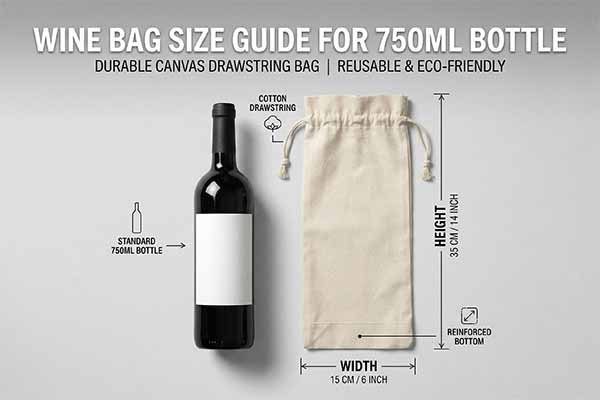
Understanding standard wine bag sizes helps procurement managers make smart purchasing decisions. Let us explore the exact measurements to avoid costly packaging errors in bulk orders.
What Are the Standard Wine Bottle Sizes and How Do They Affect Wine Bag Size Selection?
Guessing bottle dimensions leads to incompatible packaging solutions. Learning standard bottle sizes guides accurate bag selection and prevents costly wholesale purchasing mistakes.
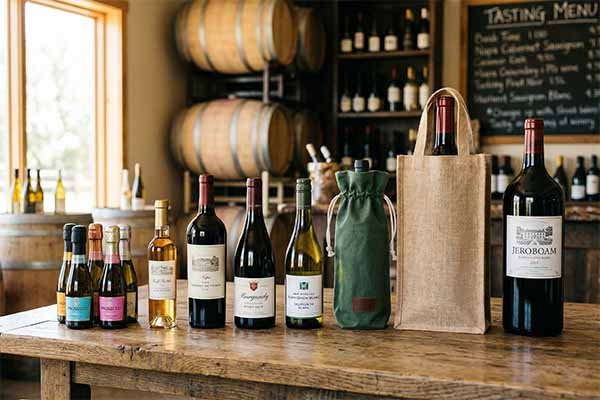
Standard wine bottle sizes range from 187ml mini bottles to large 3L formats. The 750ml bottle serves as the core standard, typically measuring 11.5 to 13 inches tall and 2.9 to 3.2 inches wide. Bag dimensions must accommodate these specific measurements perfectly.
Common Wine Bottle Capacities
Wine bottles feature various capacities1 that dictate specific packaging requirements.
- 187ml (mini wine bottle size): Requires small, narrow packaging.
- 375ml (half bottle wine size): Needs shorter bag designs.
- 750ml (standard wine bottle size): The most common format, measuring 11.5 to 13 inches in height and 2.9 to 3.2 inches in diameter.
- 1.5L (magnum wine bottle size): Significantly larger, reaching 14 to 15 inches tall and 3.5 to 4 inches wide.
- 3L+ (large format wine bottles): Demands specialized, heavy-duty packaging solutions.
The 750ml Core Standard
The 750ml bottle dominates the retail and wholesale markets. Because of this high market share, most standard wine bag size for 750ml bottle2 designs use this specific capacity as a baseline. A typical bag size for standard bottle is 75 x 75 x 350 mm.
How Capacity Influences Bag Design
Bottle volume directly dictates wine bag design elements. The bottle height determines the necessary bag length. The bag requires an extra 2 to 4 inches of clearance for closure. The bottle diameter establishes the bag width. The packaging base must be slightly larger than the diameter to allow easy insertion without tearing. The liquid weight also impacts the load-bearing design3 of the handles and bottom stitching.
How Do You Choose the Right Wine Bag Size for Different Bottle Types?
Choosing bags based solely on volume risks torn seams and loose fits. Following a systematic measurement process ensures the perfect fit for diverse product lines.
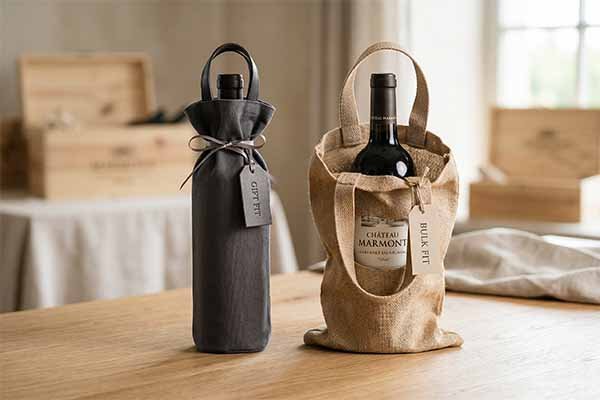
Choosing the right wine bag size requires measuring the exact bottle height and diameter. Deciding between a tight gift fit or a universal bulk fit is essential. Adding extra space for fabric thickness ensures easy insertion for various packaging scenarios.
Step 1: Measure Actual Dimensions
Selecting the ideal bag requires measuring the actual bottle dimensions instead of relying only on stated volume. Procurement teams must know how to measure wine bottle for bag packaging accurately. Measuring the total height, the base diameter, and the neck width provides the true size needed for production.
Step 2: Custom Fit vs Universal Fit
The next step involves choosing between a tight fit and a loose fit. Gift packaging often utilizes a tight fit to create a premium appearance. Bulk wine bags generally use a universal fit to accommodate multiple SKUs. Finding the right wine bag size for different bottle shapes depends heavily on the specific business goal.
Step 3: Match the Use Case
The usage scenario decides size choices. Retail wine packaging requires standard dimensions for quick checkout. A winery packaging solution might need extra vertical space for elegant folding. Promotional wine bags require large, flat surface areas for clear logo printing.
Step 4: Leave Extra Space
Leaving extra space is a critical requirement. Factoring in the wine bag size tolerance prevents sizing issues during bulk packing. Fabric thickness consumes internal space. Manufacturing sewing variances also occur. Extra room guarantees workers can pack bottles quickly without struggling.
Step 5: Plan for Future Expansion
Planning for future product additions ensures the packaging remains versatile. Adding champagne or magnum bottles later requires wider bags. A mixed product line benefits from bag sizes designed to support these future changes.
Why Doesn’t One Standard Wine Bag Fit All 750ml Bottles?
Assuming all 750ml bottles share identical dimensions causes packaging failures. Recognizing the distinct shape differences prevents unappealing and insecure product presentations.
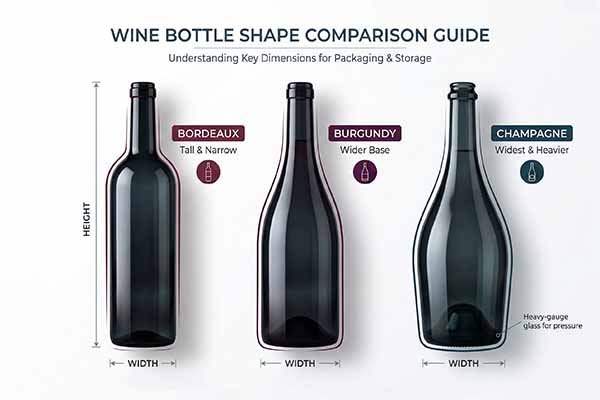
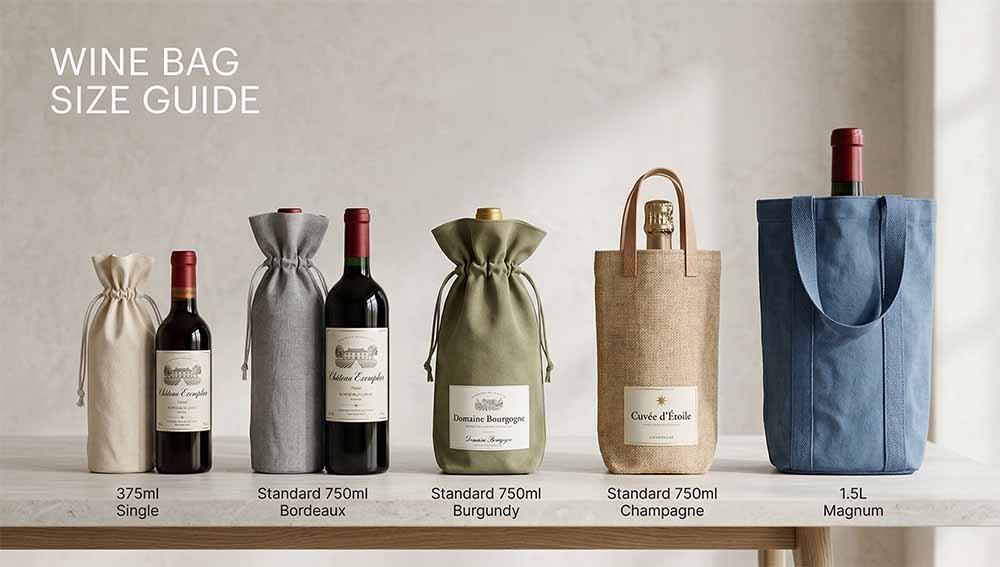
One standard wine bag cannot fit all 750ml bottles because shapes vary significantly. Bordeaux bottles are tall and narrow, Burgundy bottles have wider bases, and Champagne bottles are the widest. Bag widths must adjust accordingly.
Three Main Bottle Shapes
The wine industry features three primary bottle shapes that complicate packaging procurement.
- Bordeaux: Features a tall and narrow profile with distinct shoulders.
- Burgundy: Shorter in height but significantly wider at the base with sloping shoulders.
- Champagne: Possesses the largest diameter and uses extremely thick glass.
Understanding the bordeaux vs burgundy bottle size differences4 is crucial for selecting appropriate packaging.
Reasons for Size Variations
Bottles holding the exact same 750ml volume possess different dimensions due to historical design traditions. Different wine types require specific glass shapes for proper aging. A champagne bottle diameter is naturally larger because the glass must withstand high internal carbonation pressure5.
Impact on Wine Bag Design
These shape variations directly impact a wine bag for different bottle shapes. If the bag width is too narrow, wider Burgundy bottles will not fit inside. If the bag is too wide, narrow Bordeaux bottles look loose and unprofessional.
Suggested B2B Solutions
Solving this problem requires strategic procurement choices. Using a universal size design that fits the widest expected bottle is a common wholesale strategy. Adding a wider bottom gusset6 structure also improves compatibility. Alternatively, ordering custom dimensions provides a precise fit for unique bottle profiles.
What Is the Standard Wine Bag Size for Wholesale and Bulk Orders?
Ordering incorrect dimensions for bulk bags drains procurement budgets. Selecting industry-standard sizes recommended by suppliers maximizes efficiency and minimizes costs.
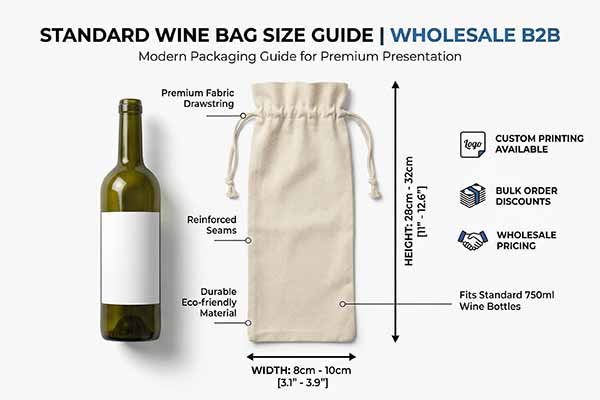
The standard wine bag size for wholesale orders typically measures 28 to 32 cm in height and 8 to 10 cm in width. Suppliers recommend these dimensions to ensure high production efficiency, lower costs, and broad compatibility.
Normal Size Ranges
The standard wine bag size remains highly consistent across the international packaging industry. The standard height falls between 28 cm and 32 cm. The standard width ranges between 8 cm and 10 cm. These bulk wine bags size parameters successfully cover most regular 750ml bottles on the market.
Why Suppliers Recommend Standard Sizes
Manufacturing suppliers heavily prefer these standard sizes for multiple practical reasons. Standard dimensions guarantee high production efficiency and offer lower unit costs for buyers. They also provide a wide application range. Many procurement managers seek a versatile size that covers eighty percent of their usage scenarios. This strategy significantly reduces inventory pressure.
Single vs Multiple Bottle Bags
Bag capacities dictate necessary size variations. A single bottle wine bag size requires about 5.25 inches of width. A 2 bottle wine bag size needs roughly 6.5 inches of width to accommodate two standard bottles. A 3 bottle wine bag size demands even more width and relies on sturdy internal dividers to prevent glass breakage.
Custom vs Standard Sizes
| バッグタイプ | Main Advantage | Main Disadvantage | Best Use Case |
|---|---|---|---|
| Standard | Low procurement cost | Limited fit range for unique bottles | Long-term B2B procurement |
| カスタム | Precise product match | Higher cost and minimum order | Special marketing promotions |
How Can Choosing the Right Wine Bag Size Improve Packaging and Brand Experience?
Sloppy packaging presentations instantly damage brand reputation. Securing the correct bag size elevates product value and significantly boosts customer satisfaction rates.
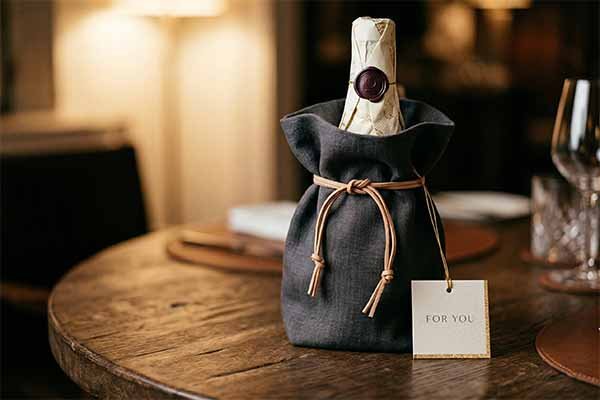
Choosing the correct wine bag size projects a professional brand image and enhances the premium unboxing experience. Proper sizing increases repeat purchases, elevates gift appeal, reduces damage-related returns, and minimizes packaging material waste.
Impact on the Brand Image
Implementing effective wine packaging solutions directly influences brand perception. The exact bag size increases the professional appearance of the product line. It establishes a strong premium feel for the end user and improves the overall unboxing experience. Beautiful wine gift packaging ideas always begin with accurate, tailored dimensions.
Impact on Sales Performance
Bag size positively affects sales performance metrics. A secure and attractive fit increases repeat purchase rates from satisfied retail buyers. It enhances the gift attributes of the wine, making it more appealing for holidays. Using custom printed wine bags that fit perfectly improves retail shelf displays. This helps brands sell more inventory.
Impact on Operational Costs
Choosing the correct size helps supply chain managers control operational costs. A proper fit reduces product returns caused by transit damage. It lowers unnecessary packaging material waste during fulfillment. It also improves warehouse inventory utilization by standardizing storage requirements.
Practical B2B Case Study
Consider a real B2B wholesale scenario. A client used a single, tight bag size for all inventory. They experienced operational bottlenecks when wider bottles failed to fit during packing. Adjusting to a slightly wider, universal size resolved this issue entirely. This minor change covered most product lines, reduced communication time with suppliers, and lowered overall inventory stress.
Common Wine Bag Size Mistakes Buyers Should Avoid
Simple sizing errors waste time and exhaust procurement funds. Avoiding common pitfalls ensures successful packaging projects and protects profit margins.
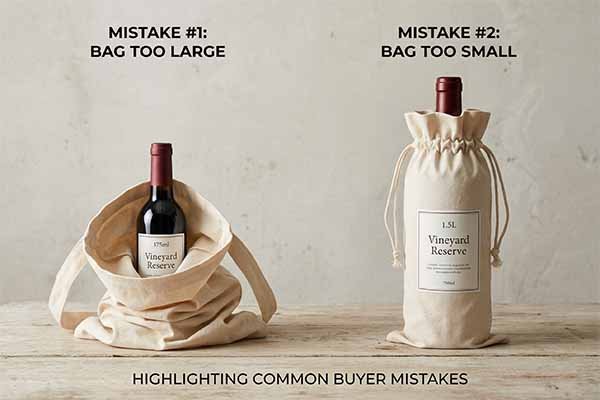
Common wine bag sizing errors include focusing only on volume while ignoring specific bottle shapes. Using a single size for all SKUs or placing small bottles in oversized bags creates poor presentations and increases overall packaging costs.
Frequent Procurement Mistakes
Corporate buyers frequently make avoidable wine packaging mistakes during the procurement process. The most common error involves looking solely at the stated bottle volume while ignoring the actual physical shape. Another frequent mistake is attempting to use one single bag size to cover entirely different product SKUs. Buyers also often overlook the specific spatial requirements of large magnum bottles. Finally, placing small bottles in large bags creates a loose, unprofessional fit.
Consequences of Wrong Sizing
The wrong wine bag size generates negative business results across the board. A poor fit leads to a bad customer experience and damages the carefully built brand image. These wine bag sizing errors increase total supply chain costs due to product replacements and wasted materials. Poor communication between buyers and suppliers often causes these fundamental issues.
Balancing Versatility and Fit
Many B2B buyers desire a single standard size, but what they truly need is a safe, versatile choice. Balancing aesthetics, fit, and cost is essential for success. Bags that are too tight cause structural damage to the packaging. Loose bags look cheap and insecure. Selecting a size that accommodates minor variations is the secret to efficient and cost-effective packaging operations.
Can You Customize Wine Bag Sizes for Different Bottle Sizes?
Standard packaging dimensions often fail to meet unique brand requirements. Customizing wine bags perfectly resolves specialized packaging challenges and differentiates products.
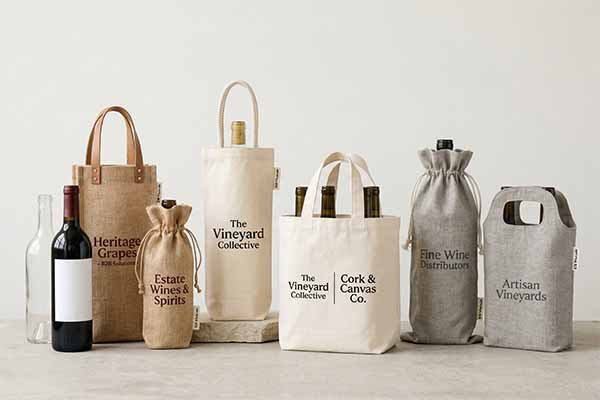
Customizing wine bag sizes accommodates any specific bottle dimension perfectly. Personalizing exact measurements, selecting eco-friendly materials, and adding printed logos provides ideal solutions for wineries, brand owners, and promotional gift companies.
Extensive Customization Options
Complete packaging customization is readily available for businesses. A reliable wine bag manufacturer allows clients to modify numerous product details. Creating a personalized wine bag size ensures a flawless fit for unique bottles. Buyers can select specific eco-friendly materials such as durable cotton bags, classic canvas bags, or modern rPET bags. Adding a custom printed logo serves to promote the business effectively.
The B2B Customization Process
The B2B custom manufacturing process is highly structured and direct. First, the buyer provides specific bottle shape data and precise dimensions. Next, the supplier produces a physical sample for quality confirmation. Finally, mass production begins only after the sample receives full approval. This structured process guarantees stable and replicable custom bag solutions that balance cost control with delivery efficiency.
Ideal Candidates for Custom Bags
Custom wine bags serve specific B2B client types perfectly. Wineries require custom sizes for limited-edition vintages. Brand owners utilize them for targeted marketing campaigns. Gift companies demand unique shapes for corporate promotional events.
Next Steps for Procurement
Operating in B2B international trade requires reliable supply chain services. Professional suppliers offer exact size suggestions based on extensive industry experience. Sample making services are available to confirm fit. Buyers should note minimum order quantity rules for custom requests and use direct communication channels to finalize details.
結論
Choosing the ideal wine bag size requires balancing aesthetics, secure fit, and procurement costs. Measuring exact bottle dimensions and selecting versatile sizes ensures safe transport and professional brand presentation.
Frequently Asked Questions
Q: Do different packaging materials affect the bag size I should order?
A: Yes. Rigid materials like thick kraft paper or stiff non-woven fabrics require exact measurements, while flexible materials like cotton or canvas offer more stretching tolerance for slightly wider bottles.
Q: How does the handle style impact the overall usable dimensions?
A: Built-in die-cut handles consume the top portion of the bag, reducing the usable interior height. If you choose this style, you must order a taller overall bag compared to one with external attached loop handles.
Q: What is a bottom gusset, and why is it critical for wine bottle packaging?
A: A bottom gusset is the expandable base structure of the bag. It allows the packaging to stand upright independently and safely accommodates the actual circular diameter of the heavy glass bottle.
Q: Does the weight of the glass bottle change the sizing recommendations?
A: While weight does not change the physical dimensions, heavier bottles require a slightly tighter fit to prevent dangerous shifting and momentum building during transit, which can tear the bag seams.
Q: Should I order a larger bag if my wine bottle already comes in a retail gift box?
A: Absolutely. You must measure the exterior dimensions of the rigid gift box, not the internal bottle itself, and add 1 to 2 inches of clearance to ensure the box slides in without catching.
Q: How many sample variations should I request to test a "universal" bag size?
A: It is best practice to test the physical sample with your tallest SKU (like a Riesling or tall Bordeaux) and your widest SKU (like a Burgundy or Champagne) to verify true universal compatibility.
Q: Will eco-friendly fabric bags shrink and affect the carefully planned fit?
A: Natural fabrics like untreated cotton and canvas can shrink slightly depending on environmental moisture or manufacturing treatments. Factoring in an extra half-inch of tolerance prevents unexpectedly tight fits.
Q: Does my custom printed logo dictate the physical bag size?
A: It can. If your brand guidelines require a large, prominent logo to be visible without wrapping around the bottle’s curves, you may need to order a slightly wider bag to provide an adequate, flat printing surface.
Q: Are sewn-in dividers absolutely necessary for multi-bottle bags?
A: Yes. When carrying multiple glass bottles, sewn-in fabric dividers or sturdy inserts are essential to prevent the glass from clinking and shattering. These dividers slightly increase the total required width of the bag.
Q: How do standard wine bag sizes affect my warehouse storage operations?
A: Industry-standard bags fold flat uniformly, allowing for highly predictable carton packing and efficient pallet stacking. This standardization lowers your warehouse storage footprint and simplifies outbound shipping calculations.
-
Understanding standard wine bottle sizes and their historical naming conventions (like Magnum or Jeroboam) helps manufacturers anticipate diverse packaging needs for different market segments. ↩
-
Exploring the history of why 750ml became the global standard provides insight into consumer habits and helps optimize standard packaging dimensions. ↩
-
Learning about the functional requirements of packaging, including physical protection and weight distribution, is essential for creating durable bags that safely transport heavy liquid glass bottles. ↩
-
Exploring the traditional shapes of wine bottles helps packaging manufacturers understand the historical context and functional needs behind different wine varieties. ↩
-
Understanding the physical constraints of sparkling wine bottles, such as the need for thicker glass to handle pressure, is essential when designing durable carrying solutions. ↩
-
Incorporating structural elements like gussets allows bags to expand, providing the necessary versatility to accommodate various wider bottle diameters seamlessly. ↩

 日本語
日本語  English
  Deutsch
  Español
  Português
  Русский
  العربية
  Français
  Italiano
  한국어
한국어  Dansk
Dansk