Ir diretamente para o conteúdo

Tyvek bags are growing fast in fashion and eco-packaging trends. Many brands choose custom Tyvek bags to stand out. But wrong printing choices ruin bulk orders and waste budgets.
Not all printing methods suit Tyvek material. Treating Tyvek like standard paper or fabric leads to massive production failures. Buyers must match designs, quantities, and budgets with the right printing technique to ensure long-term commercial success for wholesale custom Tyvek bags.
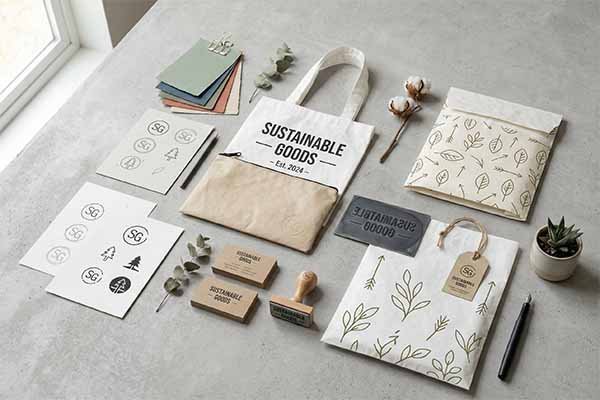
People often think printing on Tyvek is a simple process. A manufacturer prints a logo, and the job finishes. But mass production reveals real challenges, and businesses need a solid plan before starting.
What Printing Methods Work Best for Custom Tyvek Bags?
Brands need the right print method for every project. Bad choices waste money. A professional manufacturer matches the correct method to specific order sizes and design needs.
Screen printing is best for bulk orders over 500 pieces with simple logos. UV printing suits premium, high-detail fashion projects. Flexographic printing works well for long-term supply projects like cosmetic packaging. Each method offers specific benefits for custom Tyvek printing.
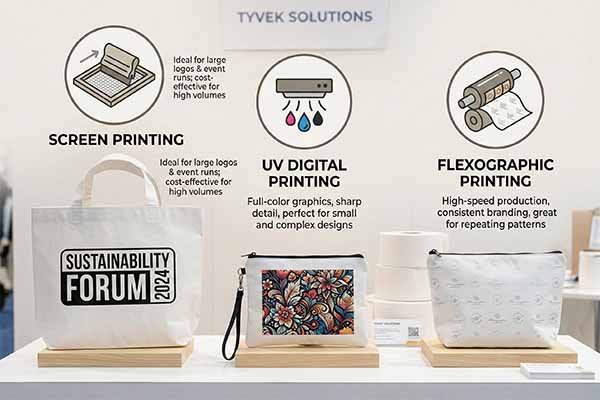
Printing Methods Comparison
Screen printing is very common for tyvek bags wholesale production. It works great for event gift bags and promotional items. Buyers get stable costs and high color fastness. It handles bulk production very well. But screen printing cannot handle gradients or highly detailed art.
UV printing targets different needs. It works well for designer brands and high-value orders. Brands get high precision and strong adhesion. The visual effect looks premium. However, UV printing costs more. Buyers must be careful with large dark areas.
Flexographic printing is another strong choice. Manufacturers use it for long-term packaging supply. It suits cosmetic brands and e-commerce stores. The unit price stays low. The quality remains very stable over time.
Procurement managers must pick the method based on specific bulk custom tyvek bags projects.
| Print Method | Melhor para | Main Advantage | Main Limitation |
|---|---|---|---|
| Screen Printing | Bulk orders | Stable costs | No gradients |
| UV Printing | Fashion projects | High precision | Higher price |
| Flexo Printing | Long-term supply | Low unit price | Needs big volume |
Why Do Colored Tyvek Bags Affect Logo Printing Results?
Colored Tyvek changes logo colors. Ink does not hide the base material completely. This transparency creates big problems for wholesale buyers during mass production.
Tyvek is not a fully opaque material. Ink layers sit on top but let the base color show through. Printing light colors on dark Tyvek requires a white underbase. This adds cost and increases registration risks during logo printing on Tyvek material.
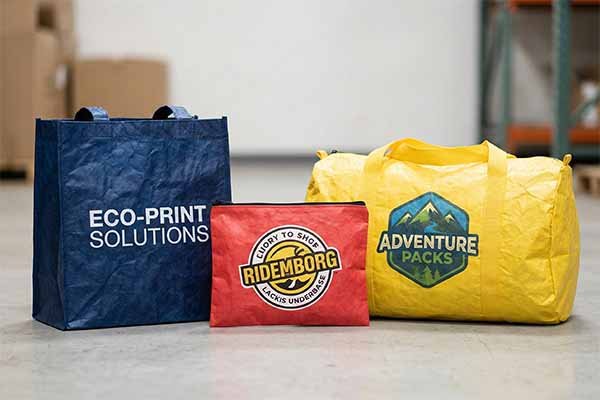
Color Impact Analysis
Colored tyvek bags printing needs careful planning. Many buyers think ink covers the material completely. This assumption is a mistake. The base color always affects the final look. If a brand prints a light logo on a dark Tyvek bag, problems appear. The manufacturer must print a white base layer first. This step increases the production cost. It also raises the risk of color registration errors.
Printing dark colors on light Tyvek has different issues. The ink might not cover evenly. The surface might show texture shadows. Pantone colors shift depending on the base. A logo looks different on white, beige, or gray Tyvek. This is why buyers must confirm physical samples. Brands cannot rely only on digital proofs. Small batch tests reduce risks before bulk production starts. A professional Tyvek bag manufacturer always checks these details.
| Base Color | Ink Color | Risk Factor | Solution |
|---|---|---|---|
| Dark Tyvek | Light Ink | High registration risk | Add white base layer |
| Light Tyvek | Dark Ink | Uneven coverage | Check ink density |
| Any Color | Pantone | Color shifting | Do physical sampling |
How to Avoid Printing Failures When You Print on Tyvek Material?
Printing failures ruin bulk orders. Brands lose time and money. Procurement managers can prevent these disasters with proper evaluation and expert guidance.
Buyers must evaluate three key factors during the design phase. Check the base color, artwork coverage, and order quantity. Sampling is crucial for custom tyvek printing. Small tests lower risks and prevent color differences in bulk production. Brands should always work with an experienced Tyvek bag manufacturer.
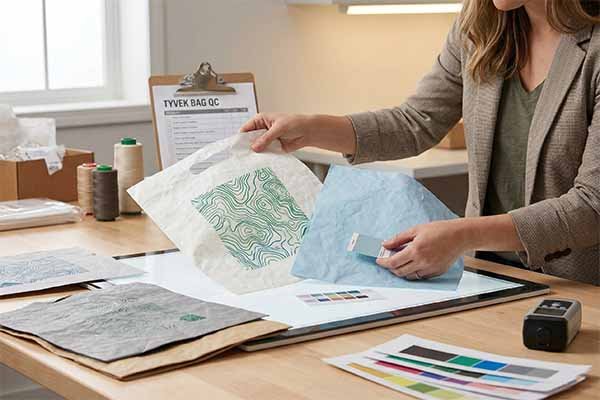
Quality Control Steps
Brands must avoid common production failures. The market sees many mistakes. Large black areas often peel off. Fine lines break easily. Light colors look gray on dark backgrounds.
Buyers prevent this by checking designs early. Managers must look at the base color and ink coverage. High coverage changes the material feel. Order quantity also decides the best printing method.
Brands need physical samples. Samples catch errors before mass production starts. Material density varies. Different batches have slight differences.
Brands need a partner who understands Tyvek material deeply. Buyers must not wait until mass production to fix design flaws. The team solves them during the sample stage to protect brand images.
| Evaluation Factor | Porque é que é importante | Action Required |
|---|---|---|
| Base Color | Affects final logo look | Test Pantone match |
| Ink Coverage | Changes bag texture | Limit large solid areas |
| Order Quantity | Decides print method | Choose bulk methods |
What Printing Techniques Should Be Avoided for Tyvek Tote Bag Production?
Some techniques destroy Tyvek bags. Factories must avoid them completely. These methods look good in theory but fail in real commercial use.
Factories should avoid embroidery, puffy printing, and high-temperature heat transfer on Tyvek. Embroidery destroys the material structure and causes tearing. Puffy printing requires high heat, which warps the bags. High-heat transfers make the surface shiny and brittle due to tyvek tote bag printing limitations.
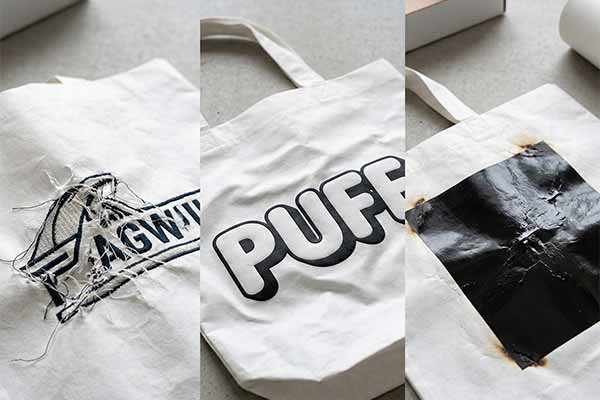
High-Risk Techniques
Brands must understand print on tyvek material restrictions. Tyvek is strong but thin.
Embroidery puts holes in the material. This ruins the waterproof feature. The bag will tear under heavy weight. Embroidery does not suit lightweight Tyvek bags at all.
Puffy printing is another bad idea. It needs high temperatures to expand the ink. Tyvek melts or warps under high heat. The ink will not stick well.
High-temperature heat transfer causes similar damage. The heat makes the Tyvek surface shiny. It also makes the material brittle and weak.
Heavy silicone patches cause problems too. They create uneven stress points. The bag will tear during daily use.
Brands want long-lasting products. These techniques do not offer stability.The manufacturer tests methods to ensure they work for long-term B2B procurement. Buyers must stick to safe printing methods.
| Technique | Material Damage | Result on Tyvek |
|---|---|---|
| Bordados | Destroys fibers | Bag tears easily |
| Puffy Printing | High heat warp | Shape distortion |
| Heat Transfer | Burns surface | Brittle material |
How Can Bulk Tyvek Bag Orders Reduce Printing Risks and Costs?
Bulk orders give brands better control. Companies save money and reduce errors. B2B wholesale projects are the smartest choice for long-term supply.
Tyvek bags wholesale orders use uniform material batches. This keeps printing parameters stable and production rhythms steady. Large orders spread out setup fees and white underbase costs. B2B custom production offers better color control and clear cost structures compared to stock purchases.
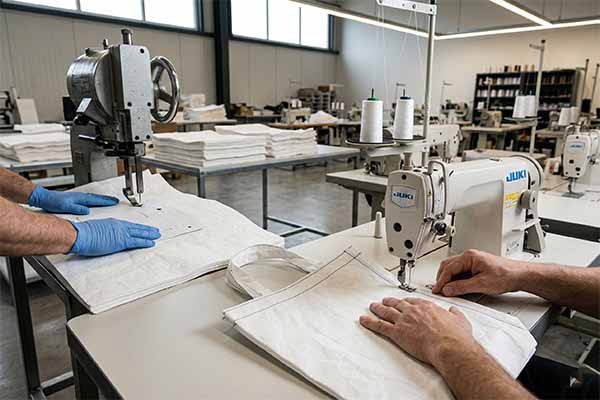
Wholesale Advantage Matrix
Bulk custom tyvek bags make production much safer. When brands order in bulk, the factory buys a large roll of Tyvek at once. The material density stays exactly the same. The printing machines use the same settings for the whole run. This gives buyers perfect consistency. Brands also save a lot of money. The initial plate fees spread across thousands of bags. The cost of printing a white base layer drops significantly per unit. Shipping costs per bag also decrease.
This is why custom production beats buying ready-made stock. Brands control the exact color. Suppliers optimize the printing plan. Procurement managers know exactly what they pay for. When buyers choose a Tyvek bag manufacturer, they must ask the right questions. Buyers should ask if the factory has colored Tyvek printing experience. Buyers should ask if the supplier reviews artwork before printing.
| Benefit Type | Stock Purchase | Custom Wholesale |
|---|---|---|
| Color Control | Muito baixo | Very high |
| Unit Price | Fixed high price | Drops with volume |
| Qualidade de impressão | Average | Optimized for design |
Conclusão
Wholesale Tyvek bag printing requires correct methods. Brands must choose experienced manufacturers, avoid damaging techniques, and test samples to ensure successful bulk production.
If businesses plan custom tyvek bags, tyvek fashion products, or tyvek bags wholesale, they should provide artwork, base colors, and quantities.
Frequently Asked Questions
Q: Are printed Tyvek bags still fully recyclable after mass production?
A: Yes. Tyvek is made of high-density polyethylene (HDPE) and remains 100% recyclable. However, extremely heavy ink coverage or added foil stamping might require processing at specialized recycling facilities rather than standard municipal streams.
Q: Does custom printing affect the water-resistant properties of Tyvek material?
A: Standard surface printing methods do not compromise the water resistance of the base material. The bag will still repel water, provided the chosen printing ink itself is formulated to be water-resistant after curing.
Q: Which Tyvek grade provides the sharpest printed graphics?
A: Hard-structure Tyvek (such as 1056D or 1073D) offers a stiffer, paper-like surface that holds crisp lines and sharp graphics exceptionally well. Soft-structure Tyvek (like 1443R) has a fabric-like drape and is better suited for flexible, lower-coverage designs.
Q: Can printed Tyvek bags be used for direct food packaging?
A: Standard printed Tyvek bags are not FDA-approved for direct food contact. For food industry applications, manufacturers must insert a food-grade inner lining to separate the printed Tyvek exterior from the consumable goods.
Q: Will folding the bags during international shipping damage the printed logo?
A: High-quality, flexible inks used in professional Tyvek manufacturing can withstand standard folding and packing. However, extremely thick ink layers might crack if subjected to sharp, hard creases under heavy pressure during transit.
Q: How should procurement teams advise end-users to clean printed Tyvek products?
A: Spot cleaning with cold water and mild soap is highly recommended. End-users should avoid hot water, machine washing, and harsh chemicals, as elevated temperatures and solvents can degrade both the ink adhesion and the Tyvek fibers.
Q: Is it possible to print designs on the inside of a custom Tyvek bag?
A: Yes, interior printing is possible, but it must be executed while the Tyvek material is still in a flat sheet or roll form. This requirement means interior printing is only available for custom manufacturing orders before the cutting and sewing stages begin.
Q: Does heavy ink coverage change the natural texture of the Tyvek bag?
A: Yes. Full-bleed designs or large solid blocks of ink will slightly stiffen the material and cover its natural "crinkly" texture. Minimal logo placement is recommended for brands wanting to preserve the original tactile feel of the Tyvek.
Q: Why do custom Tyvek bag orders sometimes require longer lead times than standard cotton bags?
A: Tyvek requires strict low-temperature controls during the ink-curing process to prevent material warping or melting. This specialized handling and slower drying time can slightly extend the production schedule compared to heat-tolerant fabrics like cotton or canvas.
Q: How should warehouses store bulk wholesale printed Tyvek bags?
A: Inventory should be stored in a cool, dry warehouse environment away from direct, prolonged sunlight. Exposure to extreme ambient heat over several months can compromise ink stability and weaken the material structure before distribution.

 English
  Deutsch
  Español
  Português
  Русский
  العربية
  Français
  Italiano
  日本語
日本語  한국어
한국어  Dansk
Dansk