Skip to content

Are you struggling to find the right packaging for your DIY kits? It is frustrating when standard boxes do not fit your creative vision or your budget. You need a solution that protects your product and builds your brand.
Custom blank bags are the perfect answer for workshops and craft brands. They are flexible, affordable, and easy to brand with your logo. These bags solve your packaging problems and turn every customer into a walking advertisement for your business.

Many small business owners feel stuck between expensive custom boxes and cheap plastic bags. But there is a middle ground that works better. Let us explore why blank bags are the smart choice for your kits.
Why Use Blank Bags for Craft Kits & Workshops?
You want to offer a professional experience, but high minimum order quantities (MOQs) from suppliers can stop you. You also need packaging that adds value, not just waste.
Blank bags allow you to start small and scale up as you grow. They serve two purposes: they hold the kit, and they become a useful item for the customer. This "make and take" value encourages people to keep and reuse your packaging.

I have worked with many different types of clients, and I see how versatile these bags are. For example, workshop organizers use them for embroidery or baking classes. The bag holds the materials during the class, and the student takes it home afterwards. Craft brands selling sewing or painting kits use them to group loose items together. Even subscription box companies use them to organize monthly themes.
The biggest advantage here is flexibility. You might run a holiday workshop in December and a summer camp in July. You do not want to be stuck with thousands of boxes printed with a winter design. With blank bags, you can buy a small batch (Low MOQ) and customize them as needed. You can use tags, stamps, or simple screen printing to match your current theme. This lowers your risk when testing new class ideas. Also, the bag itself can be the project. In a painting class, the "canvas" can literally be the canvas tote bag. This turns packaging into a product, which saves you money and delights your customers.
What Materials Work Best for DIY Craft Packaging?
Your packaging material tells the customer what to expect from the product inside. If you use cheap plastic, they might think the kit is low quality. You need a material that matches your brand’s values.
Cotton, canvas, jute, and Tyvek are the top choices for craft packaging. These materials are durable, eco-friendly, and feel premium to the touch. They protect your tools and supplies while reinforcing your commitment to sustainability.
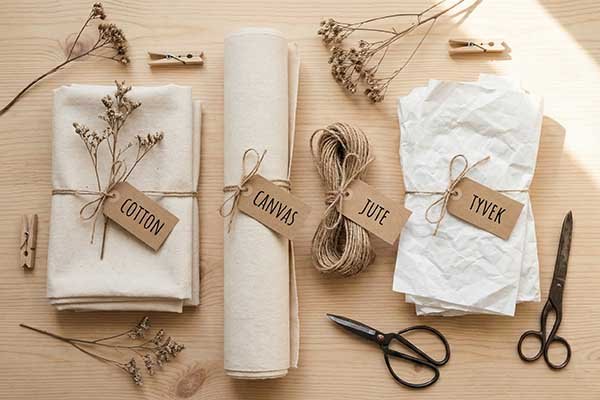
Choosing the right fabric is about matching the bag to the job. At Avecobaggie, we help clients pick materials based on what they are selling.
- コットン: This is a soft, natural choice. It is perfect for lightweight kits like embroidery, jewelry making, or small paper crafts. It is easy to fold and print on.
- キャンバス: This is the workhorse of packaging. It is thick and sturdy. If your kit includes heavy tools like scissors, hammers, or large amounts of clay, you need canvas. It keeps the shape of the bag "board-straight and square," which looks very professional on a shelf.
- Jute/Burlap: This has a rough, natural texture. It is excellent for gardening kits, dried flower arrangements, or rustic wedding favors.
- Tyvek or Washable Paper: These are modern, trendy options. They are waterproof and very tough. They work great for outdoor activity kits or wet painting sets.
Using these recyclable materials helps you tell a "green" story. Customers today care about the environment. When they see you use a reusable cloth bag instead of a disposable wrapper, they respect your brand more. It increases the perceived value of your entire kit.
How to Choose the Right Shape and Size for Your Kits?
A bag that is too loose looks messy, and a bag that is too tight is hard to unpack. You need to find a specific shape that fits your components perfectly to create a good "unboxing" experience.
You must select a shape that suits the contents of your kit. Use drawstring bags for small, loose parts. Choose tote bags for large, multi-item projects. The right size protects your items and reduces shipping costs by eliminating wasted space.
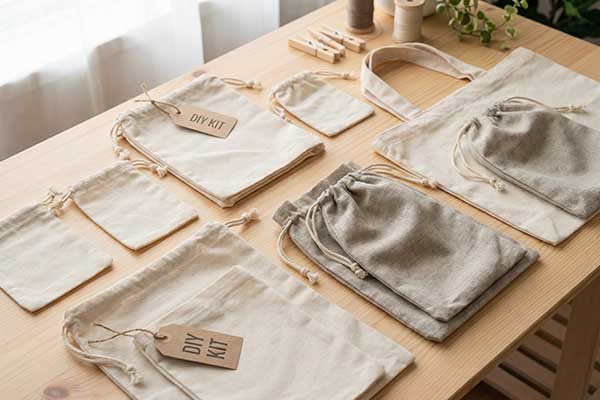
The shape of the bag changes how the customer uses it. I always advise clients to lay out all their kit components on a table before choosing a bag.
- Small Drawstring Bags: These are essential for keeping small things safe. If you sell a "bead your own necklace" kit, a small cotton ドローストリングバッグ prevents beads from rolling away. It is also great for game pieces or small tech accessories.
- Zipper Pouches: These feel like a gift. They are perfect for stationery sets, calligraphy pens, or makeup brush kits. The zipper keeps everything flat and secure. Customers love these because they often repurpose them as travel organizers.
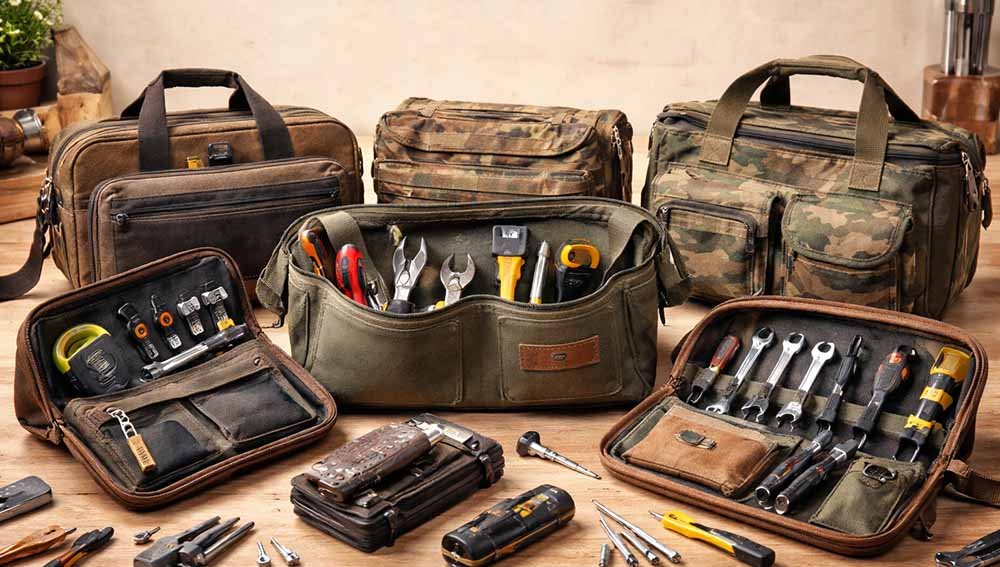
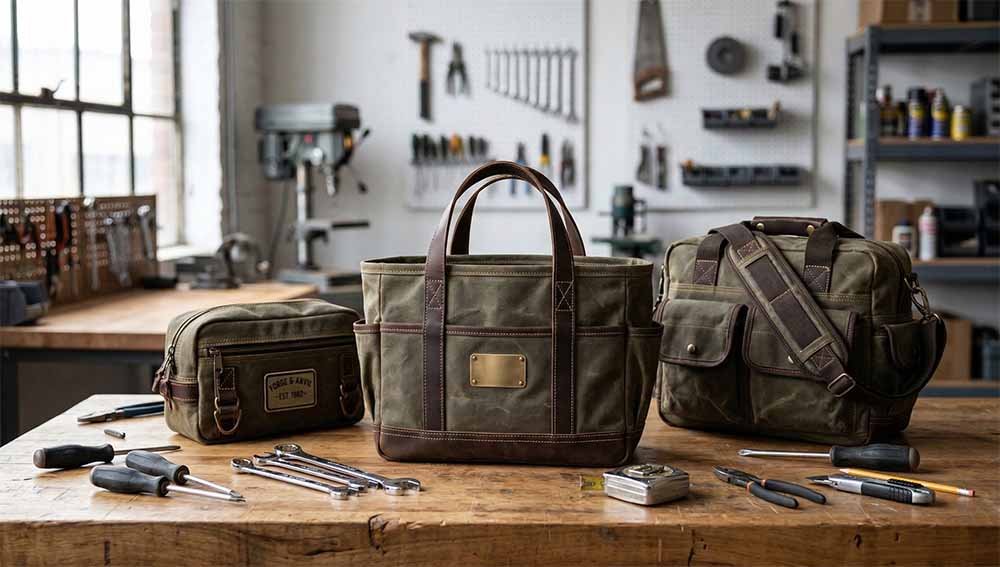
- トートバッグ: These are best for "all-in-one" workshops. If you have a knitting kit with big balls of yarn and long needles, a tote bag is necessary. It gives the customer plenty of room to work.
Also, think about shipping. A custom-sized fabric bag is flexible. Unlike a rigid box, it does not take up extra space in a shipping mailer. This allows you to pack more efficiently. You stop paying to ship "air," which lowers your logistics costs significantly. It creates a neat, compact package that arrives safely at your customer’s door.
Why Add Your Logo to Custom Blank Bags?
If you sell a fantastic product in a plain bag, you miss a chance to be remembered. You want your customers to know exactly who provided that wonderful experience.
Branding your bags turns a one-time sale into a long-term relationship. It increases brand recognition and encourages repeat purchases. A logo on a reusable bag ensures your brand stays visible in the customer’s daily life for months or years.

Think about the lifecycle of your kit. The customer buys it, uses the materials, and finishes the project. If the packaging is a cardboard box, it goes in the recycling bin. The interaction ends there. But if the packaging is a branded tote bag, they keep it. They take it to the grocery store, the library, or the beach. Every time they step out, they display your logo. This is free advertising for you.
This strategy works very well for specific business models:
- Subscription Boxes: Subscribers love sharing "unboxing" videos on social media. A beautiful, branded bag looks great on Instagram. It makes the monthly delivery feel special.
- 法人向けギフト: Companies want their employees to feel appreciated. A high-quality bag with a subtle logo feels like a premium gift, not cheap swag.
- Refill Programs: You can encourage customers to bring the bag back to your shop for a refill discount. This builds loyalty and gets them to buy from you again.
You do not need a giant, loud logo. A simple, well-designed placement on a blank bag looks elegant. It signals that you are a professional business, not just a hobbyist. It builds trust and makes customers willing to pay a higher price for your kits.
What Custom Options Make Your Bags Stand Out?
There are many generic bags on the market. You need to add details that make your packaging feel unique and special to your specific brand identity.
You can customize your bags with different printing methods and unique accessories. Change the handle style, add a colorful zipper, or use a custom tag. These small details separate your brand from competitors and show your attention to quality.
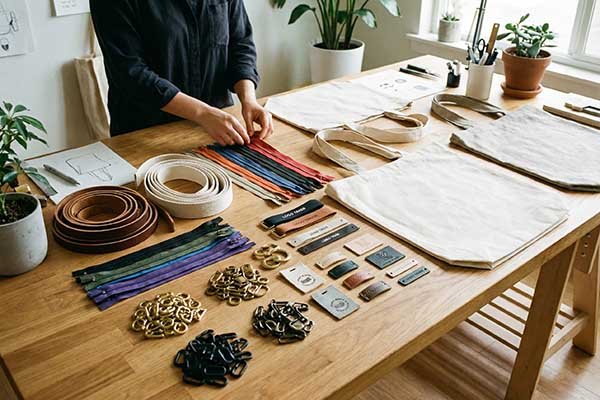
Many people think customization is expensive, but it does not have to be. You can start simple.
- Printing Styles:
- スクリーン印刷: This is best for bold logos and simple text. It is durable and cost-effective for larger orders.
- Heat Transfer: If your design has many colors or is a photograph, this is the best method. It captures all the details.
- Embossing: For leather or washable paper, embossing adds a luxury feel without using ink.
- Accessories and Hardware:
- ハンドル: Instead of standard fabric straps, try twisted paper handles for a boutique look, or thick rope handles for a nautical theme. You can even use ribbons for a feminine touch.
- Zippers and Strings: Match the zipper color to your brand. If your logo is blue, a blue zipper on a white canvas bag looks very coordinated.
- Cutouts: You can add a clear window to the bag so the customer can see the colorful kit inside without opening it.
If you are just starting and cannot afford factory printing, buy high-quality blank bags and use a custom rubber stamp or sew on a woven label yourself. This gives a "handcrafted" feel that fits perfectly with the DIY market. The goal is to make the bag feel special, so the customer feels excitement the moment they hold it.
結論
カスタム blank bags are the ideal solution for craft kits and workshops. They offer design flexibility, protect your products, and serve as powerful marketing tools that keep your brand visible long after the sale.
Frequently Asked Questions
Q: What file format do I need to provide for printing my logo on blank bags?
A: To ensure the highest quality print, especially for screen printing or heat transfer, we recommend vector files such as AI, PDF, or EPS. These formats allow us to scale your logo to any size without losing clarity. If you only have a high-resolution PNG or JPG, our design team can usually help convert it for a small fee.
Q: Are your cotton and canvas bags washable, and will the printed logo fade?
A: Yes, our cotton and canvas bags are washable. We recommend hand washing or a gentle cold machine cycle to prevent shrinkage. For printed bags, turning them inside out before washing protects the design. High-quality silk screen prints are very durable, while heat transfer images last longer if air-dried rather than tumble-dried.
Q: Do these bags have any eco-friendly certifications like GOTS or OEKO-TEX?
A: Many of our materials are sourced from certified suppliers. We offer organic cotton options that are GOTS (Global Organic Textile Standard) certified and materials that meet OEKO-TEX standards for safety. If your brand specifically markets to eco-conscious consumers, please specify this requirement so we can use certified stock for your order.
Q: How much lighter are fabric bags compared to cardboard boxes for shipping?
A: Fabric bags are significantly lighter. A standard small cardboard box might weigh 100-200g, whereas a cotton drawstring bag of similar capacity often weighs less than 30g. Over hundreds of orders, this weight reduction can save you a substantial amount in postage costs, especially for international shipping.
Q: Can I use these blank bags for food-based DIY kits, like cookie decorating?
A: Yes, but we recommend choosing unbleached, natural cotton or specific food-grade certified materials for direct contact. For kits where ingredients are already wrapped (like icing packets or sealed cookies), standard canvas or jute bags are perfectly safe and add a lovely rustic touch to the presentation.
Q: What is the typical production lead time for a custom logo order vs. plain stock?
A: Plain blank bags are usually in stock and can be shipped within 5-7 days. For custom logo printing, the lead time is typically 10-15 days depending on the quantity and complexity of the print. We always advise ordering at least 3 weeks before your workshop or launch date to be safe.
Q: Can you match the bag or ink color exactly to my brand’s Pantone (PMS) color?
A: For ink, yes, we can match Pantone colors exactly during screen printing. For the fabric itself, custom dyeing to a specific Pantone color usually requires a higher Minimum Order Quantity (often 1,000+ pieces). For smaller runs, we recommend choosing from our wide range of stock fabric colors and using your specific brand color in the print or accessories like ribbons.
Q: How should I store these bags if I buy them in bulk to save money?
A: Natural fibers like cotton and jute need to breathe. We recommend storing them in a cool, dry place away from direct sunlight (to prevent fading) and humidity (to prevent mildew). Do not store them in sealed plastic bins for long periods; cardboard boxes or breathable shelf storage is best.
Q: Is it possible to print on the entire surface of the bag (edge-to-edge)?
A: Edge-to-edge printing usually requires the fabric to be printed before the bag is sewn together. This is fully possible but is considered a "custom manufacturing" order rather than a "stock print" order. This allows for amazing creative designs but will have a longer lead time and slightly higher MOQ compared to printing a logo on the center of a ready-made bag.
Q: Can I get a physical sample of a bag with my logo before placing a full order?
A: Yes, we strongly encourage this. We can provide a pre-production sample. There is usually a setup fee for making the print screen or mold for a single unit, but this fee is often credited back to you if you proceed with the bulk order. This ensures you are 100% happy with the size and print quality before mass production.
 日本語
日本語  English
  Deutsch
  Español
  Português
  Русский
  العربية
  Français
  Italiano
  한국어
한국어  Dansk
Dansk