Skip to content

Marketing costs are rising, and digital reach is shrinking. Brands need physical assets that retain customers after the sale. Custom bags offer a stable, high-frequency channel for brand visibility.
For procurement and brand managers, bags are not just packaging; they are strategic touchpoints. A well-sourced reusable bag lowers long-term marketing costs by turning customers into active brand advocates. It balances delivery efficiency with powerful brand presentation.
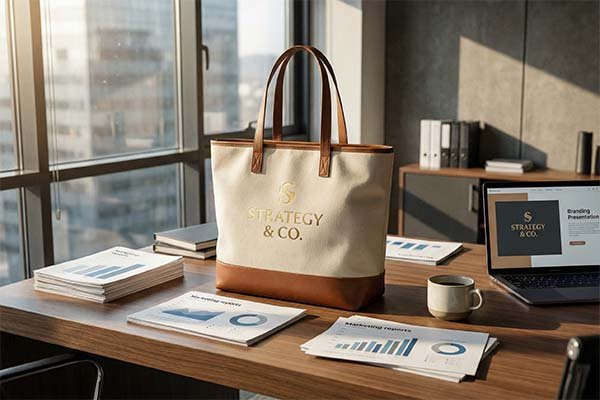
Many businesses view packaging as a disposable expense in the ledger. This mindset ignores the long-term value of a durable brand asset. We need to shift the focus from unit cost to investment return. This article analyzes the business logic behind successful bag projects.
Why are bags key touchpoints in lifestyle branding?
A brand lives or dies by consistency. In a fragmented market, physical product interaction is the most reliable way to prove quality and maintain a cohesive brand image.
Lifestyle brands rely on the consistency of the entire experience. Bags are the only touchpoint that is touched, carried, and reused repeatedly. This creates a high-frequency connection that standard packaging cannot achieve.
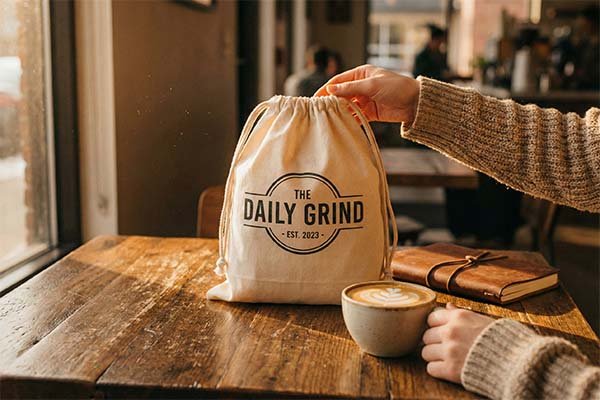
We must look at this from a brand management perspective. The core product is important, but the surrounding experience defines the "lifestyle" label. A bag is a functional carrier, but for the business, it is a vehicle for consistency. Unlike a digital ad that disappears, a bag remains in the customer’s possession. It is a physical asset that occupies space in their life.
From a supply chain view, we are moving from disposable consumables to durable goods. Standard packaging is thrown away immediately. It is a sunk cost. A bag that is touched and carried becomes part of the user’s daily routine. This repetition builds trust. It reinforces the brand’s presence without additional media spend. Procurement managers should see this as buying "airtime" in the customer’s day. The bag validates the customer’s choice to associate with the brand. It turns a simple transaction into a lasting relationship. We focus on replicable solutions that ensure this experience is the same for every customer, in every batch.
How do bags extend brand experience beyond the sale?
The transaction ends when the invoice is paid, but the marketing value should just begin. Effective bag sourcing extends the brand’s reach into new markets without extra logistics costs.
Post-purchase experience is often neglected. A reusable bag extends the brand into travel, fitness, and daily storage. This generates low-cost, organic impressions long after the initial B2B delivery is complete.
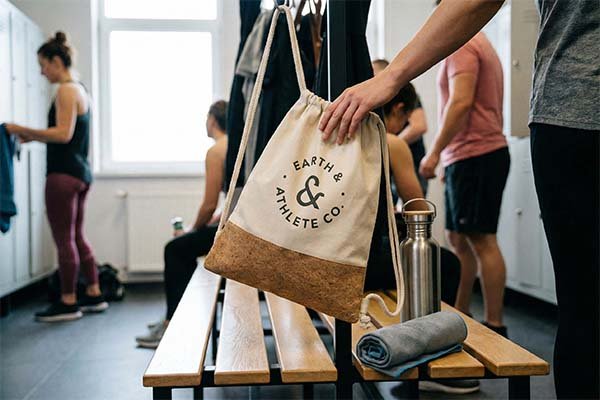
Most B2B transactions focus on getting the product to the shelf. However, the real value of a custom bag happens after the end consumer takes it home. We call this the "extended lifecycle." A standard box dies at the doorstep. A custom tote bag enters the gym, the office, and the grocery store. It travels to places your sales team cannot reach.
This is critical for cost control in marketing. You pay for the manufacturing and shipping of the bag once. But the bag generates impressions for months. It acts like a moving billboard. For a brand manager, this lowers the effective Cost Per Impression (CPM). It transforms a procurement line item into a marketing asset. The bag integrates into the consumer’s private life. It becomes a tool for storage or travel. This unconscious interaction deepens brand loyalty. It is a subtle, non-intrusive way to keep the brand top-of-mind. This strategy turns a one-time buyer into a long-term carrier of your business identity.
What bag types work best for lifestyle brand projects?
Selecting the right bag is a balance of aesthetics and logistics. We avoid overly niche designs in favor of versatile structures that maximize utility and streamline production.
Effective bags support repeated daily use and align with brand consistency. We prioritize bags with clear secondary use value. This ensures the investment yields a high reuse rate and justifies the procurement cost.
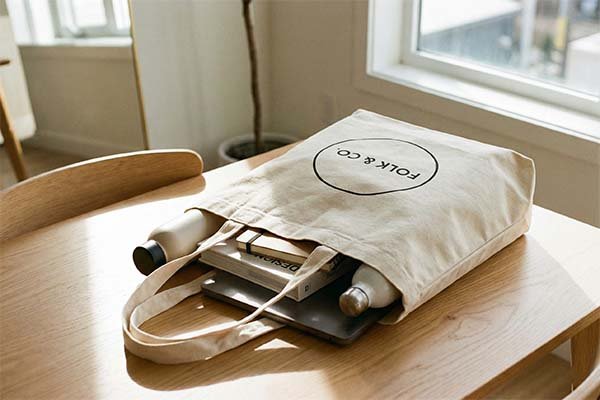
Selection logic is more important than product catalogs. When we consult with procurement managers, we advise against "single-use" designs. The goal is daily utility. A bag must serve a purpose beyond the initial purchase. It must work for grocery runs, commuting, or weekend trips. If it lacks this utility, it becomes waste. This damages the brand image.
We also look at material feasibility. The bag must match the brand’s price position. A luxury brand might use heavy canvas. A tech brand might use Tyvek. But the structure must be scalable. We need designs that are easy to cut, sew, and pack. This controls manufacturing costs and stabilizes lead times. A complex bag with too many features slows down the supply chain. It increases the risk of defects. We recommend styles that are "neutral" enough for general use but "distinct" enough for brand recognition. This balance ensures the bag is actually used, maximizing the ROI for the client.
How do brands design reusable bags customers actually use?
Design defects lead to waste and inventory write-offs. A bag must be engineered for real-world functionality, ensuring it survives the rigorous demands of the consumer’s lifestyle.
"Good looking" does not guarantee usage. Key factors for retention are standard sizing, simple structure, and ease of storage. We avoid complex customizations that drive up costs and lower practical utility.
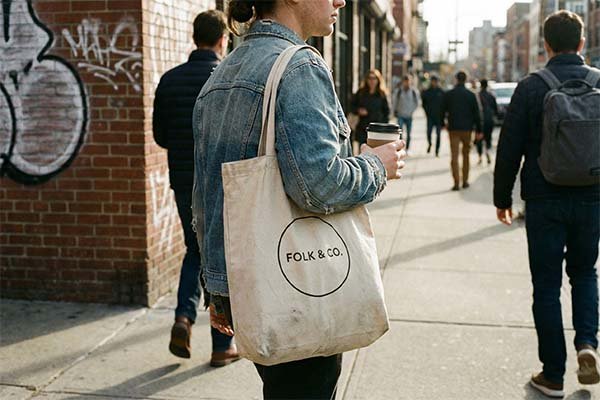
We often see a disconnect between the design concept and the final product utility. A marketing team might want a unique shape. But if that shape is hard to fold or carry, the customer will discard it. From a B2B manufacturing standpoint, we push for structural simplicity. Simple designs are easier to quality control. They have fewer potential failure points.
We focus on the "reuse rate." A bag must be easy to store. If it takes up too much space, it gets thrown away. Standard sizes are standard for a reason—they work. Customizing dimensions too aggressively can create logistics headaches. It creates waste during material cutting. It creates problems in packaging. We advise clients to prioritize function. Does it have a wide opening? Are the handles reinforced? Is the material washable? These practical features determine the bag’s lifespan. A durable bag reflects a durable business. A flimsy, over-designed bag implies the opposite.
Why do reusable bags add long-term brand value?
In modern commerce, sustainability is a business requirement, not just a trend. Reusable bags convert compliance costs into brand equity and customer loyalty assets.
Disposable packaging is a cost; reusable bags are assets. They increase brand recall and align with sustainable business narratives. This strategy justifies the higher unit price by delivering long-term marketing returns.
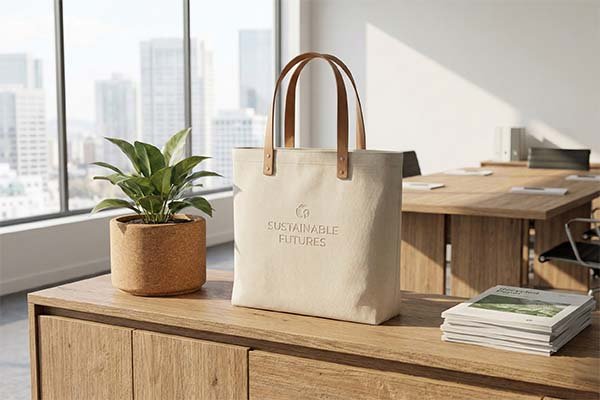
We must treat bags as long-term assets on the balance sheet of brand value. Disposable plastic is a liability. It creates waste and negative sentiment. Reusable bags, made from cotton or rPET, tell a story of responsibility. This narrative is crucial for modern B2B and B2C relations. It gives the sales team a talking point. It gives the end consumer a reason to respect the brand.
The math is simple. Use frequency multiplied by use scenarios equals brand return. A bag used fifty times is cheaper per impression than any other media. It is a stable, replicable solution for brand growth. It supports a narrative of quality. If you provide a cheap, tearing bag, you signal that your core product is also cheap. If you provide a strong, lasting bag, you signal reliability. This psychological impact is massive. It turns the bag from a "giveaway" into a strategic tool for market positioning.
結論
Bags are strategic assets, not just containers. By focusing on utility and supply chain logic, businesses turn a procurement cost into a long-term brand investment.
Frequenty Asked Questions
Q: What is the most cost-effective printing method for a simple brand logo?
A: For bold, one or two-color logos, silk screen printing is the standard. It offers high durability and lower costs at scale. If your brand design involves complex gradients or photographic imagery, we would switch to digital heat transfer, though this slightly increases the unit cost.
Q: How does material weight (oz/gsm) affect the perception of the bag?
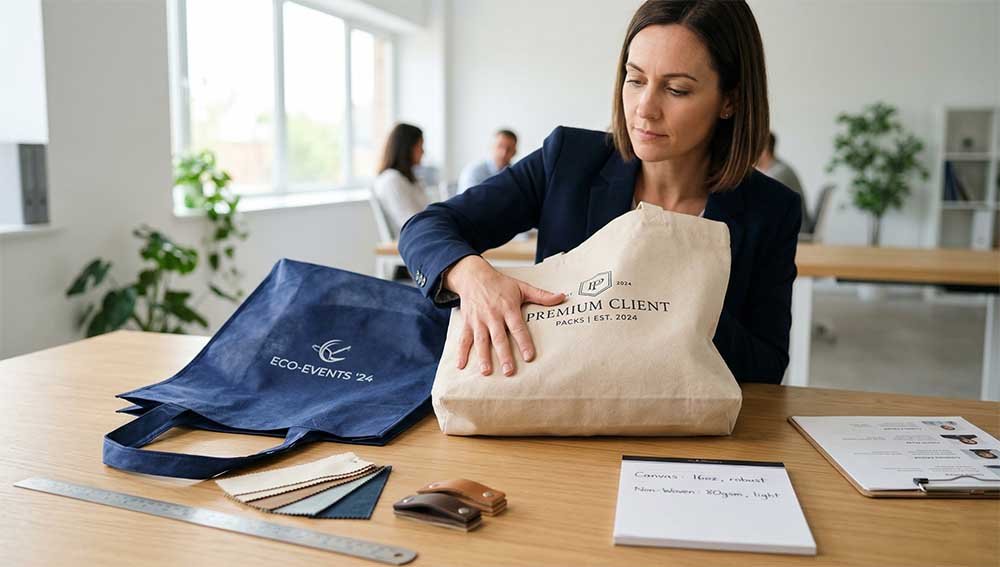
A: Weight equals perceived value. A standard 6oz cotton bag feels like a basic giveaway, while a 12oz or 16oz canvas bag feels like a retail product. For lifestyle brands aiming to sell the bag or use it as a premium gift, we recommend nothing lighter than 10oz to ensure it holds its shape.
Q: Can we see a physical sample before committing to a full production run?
A: Yes, prototyping is a critical risk-management step. We provide a pre-production sample to verify material feel, print color accuracy, and stitching quality. This ensures the final bulk order matches your design files perfectly before mass manufacturing begins.
Q: What file formats do you need to ensure the logo prints clearly?
A: To ensure crisp lines and accurate scaling, we require vector files (AI, EPS, or PDF). Unlike pixel-based images (JPG/PNG) which blur when enlarged, vector files allow us to adjust the size for the bag without losing quality.
Q: How do handle options impact the functionality of the bag?
A: Handle length defines usage. "Short handles" (30-40cm) are for hand-carrying, suitable for heavy grocery loads. "Long handles" (60-70cm) allow shoulder carrying, which is essential for lifestyle, travel, or commuter bags. We can also add adjustable straps for maximum versatility.
Q: What are the typical lead times for a custom bag order?
A: Lead times depend on complexity. Standard cotton bags usually take 15-20 days for production after sample approval. However, ocean freight to the US or UK can add 30-40 days. We advise procurement managers to plan at least 2-3 months ahead of a launch event.
Q: Are there certifications to prove the bags are truly eco-friendly?
A: Yes. For brands with strict sustainability compliance, we can source materials with GRS (Global Recycled Standard) for recycled content or OEKO-TEX certification to ensure no harmful chemicals are used. These certificates can be provided upon request for your compliance records.
Q: Does adding pockets or zippers significantly increase the cost?
A: Yes, adding features like inner zipper pockets, magnetic snaps, or reinforced bottoms increases labor time and material usage. While these add functionality, they typically raise the unit price by 15-30%. We help you balance these features against your target budget.
Q: How should end-consumers care for these bags to prevent logo fading?
A: To extend the life of the print, we recommend washing canvas bags in cold water and air drying. Heat from dryers can shrink natural cotton and crack screen printed logos. Including a simple "Cold Wash Only" care label inside the bag is a good practice for lifestyle brands.
Q: What is the difference between FOB and DDP shipping terms for my team?
A: FOB (Free on Board) means we handle delivery to the Chinese port, and your logistics team handles the rest. DDP (Delivered Duty Paid) means we handle everything, including shipping, customs clearance, and taxes, delivering directly to your warehouse door. DDP is the hassle-free option for most small to medium brands.

 日本語
日本語  English
  Deutsch
  Español
  Português
  Русский
  العربية
  Français
  Italiano
  한국어
한국어  Dansk
Dansk