Skip to content

The Japanese market presents unique challenges due to strict preferences for aesthetics and utility . Ignoring these specific demands often leads to product rejection in this competitive landscape.
Japanese consumers prioritize compactness, durability, and minimalism in daily use reusable bags. Market trends favor neutral colors and high-quality materials like RPET or cotton that fold easily. Understanding this specific balance of function and understated style is essential for B2B procurement success.
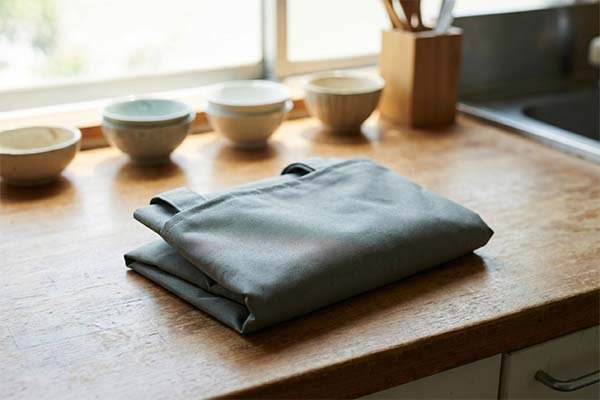
This analysis details the specific product specifications and design philosophies required for the Japanese market. The following sections outline the precise preferences regarding materials, design, and daily functionality.
How do Japanese choose daily use reusable bags?
Selecting the wrong specifications for the Japanese consumer results in unsellable inventory. Functional demands are high, and aesthetic standards are even higher.
The market selects lightweight bags that integrate seamlessly into daily routines. Preferences lean heavily towards RPET for sustainability, cotton for texture, and canvas for durability. The most sought-after products feature collapsible designs that fit into small handbags or pockets.
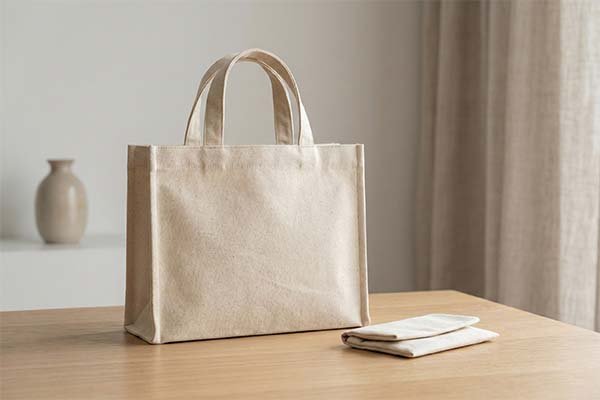
Consumers in Japan navigate dense urban environments, making portability a primary requirement for reusable bags . A heavy or bulky accessory is impractical for commuters relying on trains and walking. Consequently, the market prioritizes ultra-lightweight designs that fold into palm-sized pouches. Functionality extends to material selection. RPET is increasingly favored for its recycled origins, aligning with environmental awareness, while cotton and canvas remain staples for their natural tactile appeal and durability. Visual aesthetics also play a role; the stitching must be robust enough to carry heavy groceries, yet the profile must remain slim. Mechanisms that allow for one-motion folding, similar to popular local brands like Shupatto, are highly valued because they reduce friction at checkout points. The focus remains on "buy once, use many times," driving demand for woven or polypropylene materials that offer weather resistance and cost-effectiveness.
| Material | Key Benefit | Typical Use |
|---|---|---|
| RPET | Eco-friendly, Recycled | Grocery shopping, rain-proof needs |
| Cotton | Soft touch, Natural | Light shopping, fashion accessory |
| Canvas | Durable, Strong | Heavy loads, books, daily work |
Why is minimal design popular in Japan?
Overly complex or loud designs frequently fail to gain traction in Japan. The market rejects visual clutter in favor of simplicity and harmony.
Minimal design aligns with the cultural preference for tidy, compact living spaces. The market favors neutral colors like beige, navy, and black that complement any attire. These understated designs allow the bag to serve as a versatile tool for both professional and casual settings.
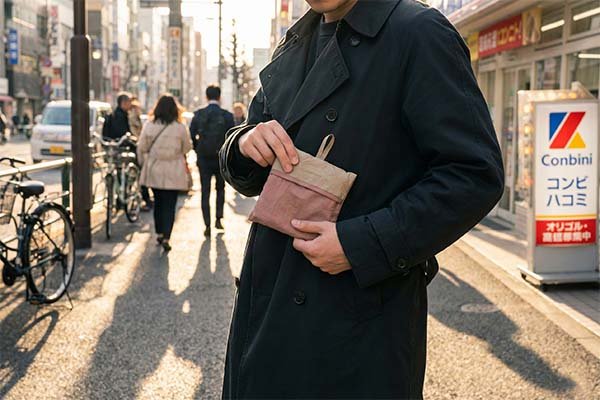
The preference for minimalism is deeply rooted in the Japanese lifestyle, where living spaces are often limited and organization is paramount. Visual noise is generally avoided, leading to a strong market bias towards clean, uncluttered aesthetics. This trend influences product sourcing; bags with busy patterns are less desirable than those with simple, solid colors. Neutral tones such as navy, beige, and black dominate because they offer "versatile styling." A single bag must transition seamlessly from a business environment to a grocery run without clashing with professional attire. Branding is typically discreet, with consumers preferring small tags over large, emblazoned logos. The popularity of retailers like Uniqlo demonstrates this demand for plain, highly functional items that fit any occasion. Designs that prioritize simple silhouettes, such as basic totes without excessive hardware, achieve the highest adoption rates. While character designs exist, the default daily driver is almost always a minimal tote.
What are common daily use scenarios?
A generic approach to bag design often misses the specific needs of Japanese daily routines. Different usage contexts dictate strict functional requirements.
Key usage scenarios include commuting, grocery shopping, and office environments. Shoppers require waterproof linings for food and wide gussets for stability. Corporate users prioritize sleek, A4-compatible designs that maintain a professional appearance rather than looking like standard plastic carriers.
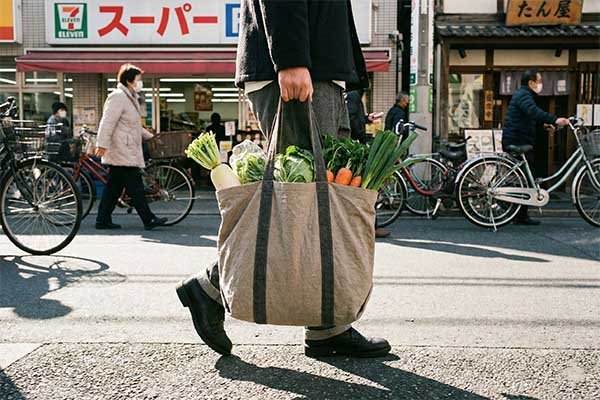
Understanding the specific environment of the end-user reveals why certain features are mandatory. The dominance of public transportation means bags must be manageable in crowded trains; flexible, soft materials are preferred as they do not obstruct others. For grocery scenarios, the implementation of plastic bag fees has made reusable bags a daily necessity. These bags require practical features such as wide gussets to keep items flat and washable fabrics to maintain hygiene. In professional and academic settings, the "sub-bag" culture is prevalent. Individuals often carry a primary leather bag for valuables and a secondary, minimalist tote for documents or lunch. This secondary bag must look professional, often requiring higher-quality materials like canvas or Oxford cloth, ensuring it does not resemble a cheap giveaway item. Businesses serving this market must account for these distinct "layers" of bag usage.
| Scenario | Key Requirement | Recommended Feature |
|---|---|---|
| Grocery | High Capacity | Wide gusset, washable fabric |
| Commute | Compactness | Folds small, lightweight |
| Work/School | Professional Look | A4 size fit, neutral color |
How can businesses source reusable bags in Japan?
Inconsistent quality and high volume requirements create significant hurdles for procurement. Sourcing errors lead to inventory issues and brand damage.
Effective sourcing requires identifying suppliers with flexible Minimum Order Quantities (MOQ) and strict quality control standards. B2B buyers must select materials and styles that align with specific target demographics, such as retail or corporate gifts. Custom branding increases value but demands precise execution.
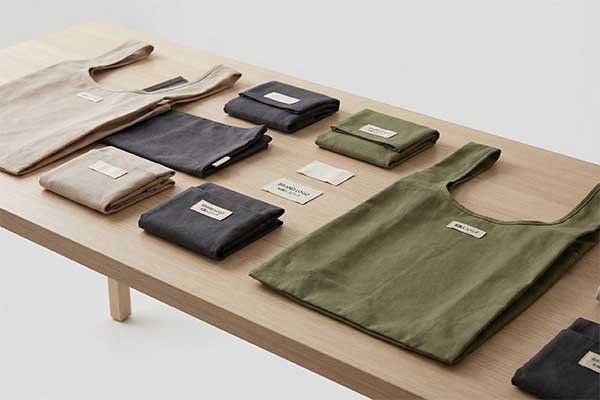
The Japanese market is characterized by an uncompromising demand for quality. Manufacturing defects, even minor ones like loose threads or print smudges, are generally unacceptable and can result in total batch rejection . Therefore, supply chain management must prioritize partners with rigorous quality control protocols. Flexibility in Minimum Order Quantities is also critical for market testing. B2B buyers benefit from suppliers who allow smaller initial batches to gauge consumer response before scaling. Customization capabilities are equally important. For corporate gifts or retail private labels, logo precision is non-negotiable. Gift-with-purchase (GWP) strategies are common, but the quality of the free item reflects directly on the main brand. A high-quality, durable eco-bag enhances brand perception, while a low-quality item detracts from it. Sourcing strategies must balance cost control with the necessity for stable, replicable custom solutions.
Why do material choices matter?
Low-quality fabric choices are immediately perceptible and diminish product value. Poor material selection leads to short product lifespans and customer dissatisfaction.
Material selection directly influences durability, cost efficiency, and environmental perception. RPET appeals to sustainability mandates, while cotton provides a premium tactile experience. Japanese B2B transactions favor materials that balance eco-credentials with the resilience needed for daily wear.
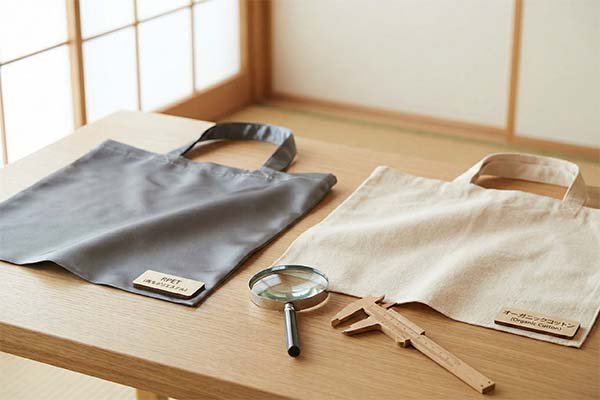
The tactile experience of a product often determines its perceived value. Materials that feel thin or overly synthetic are frequently associated with low quality. Cotton and canvas are staples in the mid-to-high-end market because they offer a natural, sturdy feel that suggests longevity. Concurrently, environmental sustainability is a major decision factor for Japanese buyers. RPET (recycled polyethylene terephthalate) has gained significant traction as it addresses plastic waste concerns while offering durability and water resistance. While non-woven fabrics offer a lower price point for mass distribution, they lack the durability required for long-term daily use. For B2B procurement, investing in superior materials like heavy-weight cotton or certified RPET ensures the product remains in circulation, providing lasting brand visibility rather than being discarded after a few uses. The choice of material is not just a cost decision; it is a branding decision.
| Material | Durability | Eco-Impact | Cost |
|---|---|---|---|
| RPET | High | Excellent (Recycled) | Medium |
| Cotton | Medium-High | Good (Natural) | Medium-High |
| Non-Woven | Low-Medium | Fair | Low |
Conclusion
Success in the Japanese market depends on selecting minimalist designs and high-quality eco-materials like RPET. Products must offer genuine functionality and durability to meet strict local standards for daily use.
Frequently Asked Questions
Q: What specific certifications do Japanese buyers look for when importing RPET bags?
A: Japanese buyers are highly detail-oriented regarding sustainability claims. While they value "eco-friendly" labels, they typically require verified certification such as the Global Recycled Standard (GRS) for RPET materials. Providing a Transaction Certificate (TC) validates the recycled content, which builds the necessary trust for B2B partnerships in this region.
Q: How should these minimalist bags be packaged for the Japanese retail market?
A: Packaging must align with the minimalist aesthetic of the product. Avoid excessive plastic wrapping. Instead, use simple paper "obi" bands (belly bands) or recycled card headers that display the bag’s folded size and dimensions clearly. The packaging should be easy to open and reflect the eco-conscious nature of the product itself.
Q: Are there gender-specific preferences for reusable bags in Japan?
A: Unlike some markets where eco-bags are predominantly female-oriented, the functional, minimalist approach in Japan appeals strongly to men as well. "Gender-neutral" is a key category. For male demographics, the focus shifts slightly towards darker neutral tones (charcoal, olive, black) and technical fabrics like Ripstop nylon, rather than canvas.
Q: What is the preferred printing method for logos to maintain the "minimalist" look?
A: To respect the minimalist preference, avoid large, full-color heat transfers which can feel "heavy" or "sticky." The preferred methods are small, single-color silk screen prints or subtle embroidery. Woven labels sewn into the side seam are also a popular choice for branding that feels premium yet discreet.
Q: How does the Japanese climate influence bag material selection?
A: Japan has a distinct rainy season (Tsuyu) in June and high humidity in summer. This makes water-resistant materials like coated RPET or treated nylon highly desirable over untreated cotton for daily grocery use, as they dry quickly and prevent moisture from soaking into the fabric and causing odors.
Q: Is there a standard size or dimension that fits most Japanese lockers or storage spaces?
A: Yes, compactness is key not just for pockets, but for storage. Coin lockers and office drawers in Japan are often smaller than in Western countries. A folded bag should ideally fit within a standard A5 pouch size or smaller (approx. 15cm x 10cm) to ensure it doesn’t take up valuable personal storage space.
Q: How important is the "hygiene" aspect for reusable bags in this market?
A: Extremely important. Japanese consumers are very hygiene-conscious. Bags that are explicitly labeled as "machine washable" or "antibacterial" (using treated linings) have a significant competitive advantage over those that are "wipe clean only," especially for bags used to carry fresh food.
Q: Do Japanese buyers prefer zippers, buttons, or open tops?
A: Security is valued, especially on crowded trains. While open totes are common for quick grocery runs, bags intended for commuting or "sub-bag" use often require a closure method. A simple snap button or a zipper is preferred over an open top to prevent items from falling out if the bag tips over and to discourage pickpocketing in dense crowds.
Q: Can these bags be used as "Omiyage" (gift) packaging?
A: Absolutely. Japan has a strong gift-giving culture. A high-quality, reusable bag is often used as a sustainable alternative to wrapping paper. If targeting the gift market, the bag should be designed to look attractive when holding a box (square bottom) and potentially include a small tag holder for a personal message.




 English
  Deutsch
  Español
  Português
  Русский
  العربية
  Français
  Italiano
  日本語
日本語  한국어
한국어  Dansk
Dansk