Skip to content

Hotels face increasing pressure to adopt tangible eco-friendly practices. Single-use plastic amenities damage brand reputation and fail to meet modern standards. The hospitality industry requires a solution that bridges the gap between sustainability goals and guest satisfaction.
Reusable bags replace disposable packaging in guest rooms and amenities effectively. These items reduce plastic waste and serve as durable brand assets. Properties use them for laundry, gifts, and retail to turn compliance costs into long-term marketing value.

Many hotels struggle to identify eco-friendly options that function efficiently in daily operations. This guide explores why reusable bags have become essential for hotel properties.
Why are reusable bags becoming essential in modern hotel sustainability programs?
Guests now demand verifiable environmental action rather than empty marketing promises. Plastic regulations are tightening globally across major tourism markets. Hotels need solutions that prove a genuine commitment to sustainability.
The shift to reusable bags transforms environmental initiatives into visible actions. These products replace single-use items with durable assets. This strategy turns a recurring operational expense into a brand-building tool that guests appreciate and use repeatedly.
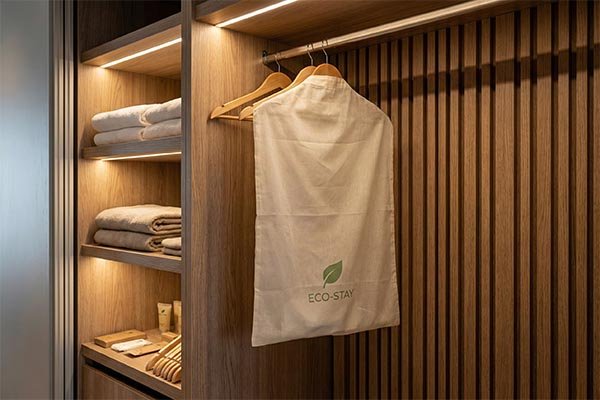
The global hotel industry is undergoing a significant transformation. The focus has shifted from simple eco-slogans to auditable actions. Guests and regulators scrutinize hotel practices more closely than ever. Single-use packaging faces immense pressure from new legislation and travel platform ratings. The industry cannot ignore this trend. Reusable bags offer a quantifiable solution to this problem. The core objective is not merely "environmental protection1" in the abstract. The goal is to implement actions that are sustainable, executable, and visible to the customer.
From Initiatives to Auditable Actions
A reusable bag represents a physical asset. Guests hold it. Guests use it. The item lasts significantly longer than a plastic wrapper. This durability makes sustainability executable for the hotel staff. It creates a system that works seamlessly within daily operations. The property proves to guests that management cares about the environment through tangible evidence.
Converting Compliance into Value
A hotel purchases a reusable bag once. The item serves its purpose for a long time. This model differs fundamentally from disposable items. The procurement team turns a compliance cost into brand value. The investment moves away from waste and toward asset creation.
| Feature | Old Approach (Disposable) | New Approach (Reusable) |
|---|---|---|
| Durability | Single use immediately discarded | Long-term use by guest |
| Guest Perception | Waste or cheap packaging | Gift, amenity, or souvenir |
| Brand Impact | Negative (Associated with trash) | Positive (Associated with value) |
| Audit Status | Environmental Liability | Compliance Asset |
Hotels solve the plastic problem with a product that adds actual value to the guest experience. This approach establishes the modern standard for sustainable hospitality.
What reusable bag types fit different hotel and resort use cases best?
Every hotel area generates specific types of waste and operational challenges. Finding the right bag for each specific location is difficult. Properties must match specific bags to specific guest needs.
Different scenarios require different bag strategies to be effective. Guest rooms benefit from privacy pouches for amenities. Pools and beaches require durable totes. Events rely on gift bags. Matching the right bag to the right use case ensures guests actually keep and use them.
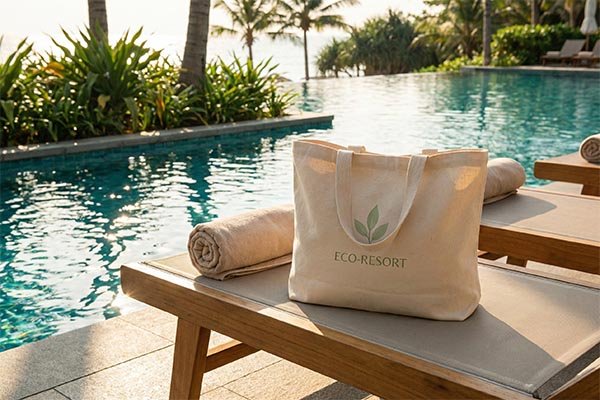
Procurement managers should not simply list products to buy. The team must analyze where guests go and what they do. Different hotels require different strategies. A boutique hotel operates differently from a large coastal resort. Identifying these needs by area helps in choosing the right tool for the job.
Guest Room and Bathroom Systems
Consider the guest room environment. Rooms contain hair dryers, extra shoes, and toiletries. These items need storage and organization. A cotton drawstring bag works effectively here. It keeps the closet tidy. It replaces the thin plastic wrappers often found in hotels. Guests also require toiletry bags. These small items make a significant difference in the perceived quality of the room experience.
Public and Leisure Areas
Consider the pool or beach areas. Guests carry towels, books, sunscreen, and water. A mesh or canvas tote is the perfect solution. These are high-traffic areas where durability matters. The bag must be useful to the guest. If the bag is functional, the guest takes it home.
| Usage Scenario | Recommended Bag Type | Key Feature |
|---|---|---|
| Room Amenities | Drawstring / Zipper Pouch | Privacy & Organization |
| Pool & Beach | Large Tote / Mesh Bag | Capacity & Durability |
| Laundry Service | Cotton / Canvas Bag | Breathability & Hygiene |
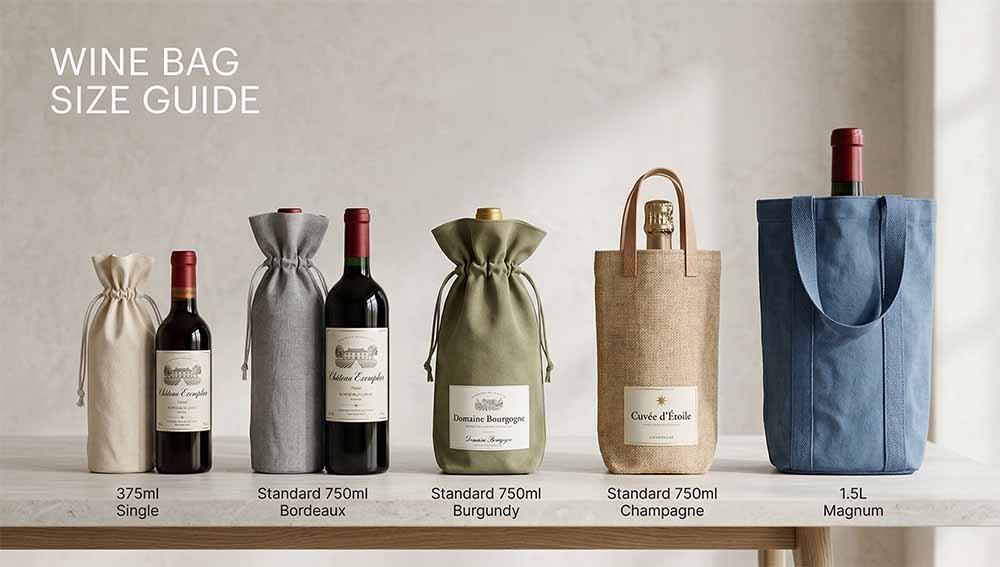
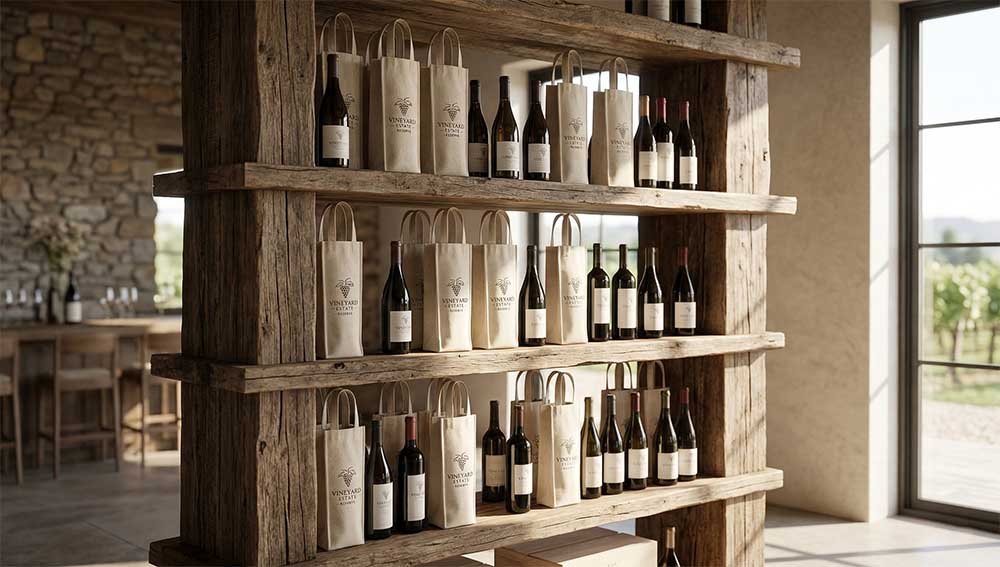
| Events & Gifts | Wine Bag / Shopper | Presentation & Style |
The hotel solves a logistical problem for the guest with these bags. The property also reduces waste generation on-site. This integration makes the bag a natural, helpful part of the service.
How do custom reusable bags enhance guest experience and brand visibility?
Generic amenities often feel cheap and impersonal to the average traveler. Guests often forget these items the moment they check out. Brands need physical touchpoints to stay in the minds of their customers.
Custom bags act as silent brand ambassadors for the property. They provide a premium feel compared to disposable options. Guests view these items as personal gifts rather than packaging. This creates a lasting memory that travels far beyond the hotel premises.
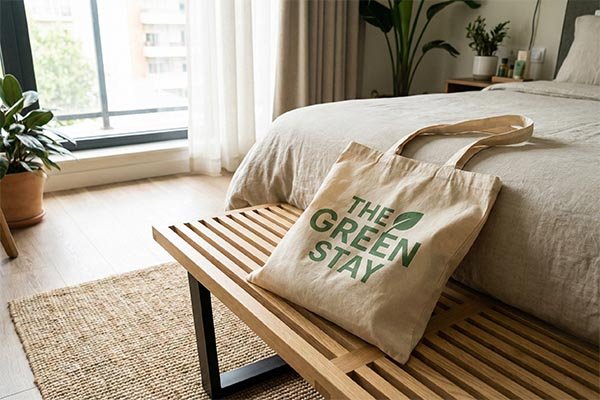
Experience relies heavily on details. Guests prefer items that feel personal and thoughtful. A plastic bag feels like trash waiting to happen. A fabric bag feels like a gift from the host. This distinction changes the guest’s perception of the service provided. The focus is on the connection between the user and the brand.
The Value of Non-Intrusive Branding
Branding should not be loud or aggressive. It should be useful. A bag with a hotel logo acts as a mobile billboard. However, the design must be subtle and aesthetic. The guest uses the bag because it helps them carry things. They remember the hotel because of the convenience provided. This method is far more effective than a flyer or a business card.
Creating Consistent Memories
The bag connects the guest to the stay long after departure. Every time the guest uses the bag for grocery shopping or the gym, they recall the hotel. This creates organic marketing. It happens naturally without effort. Hotels do not need to explain the value. Guests accept it and value the item immediately.
| Brand Aspect | Disposable Packaging | Reusable Custom Bag |
|---|---|---|
| Interaction | Open and throw away | Carry, pack, and keep |
| Memory Duration | Seconds | Months or Years |
| Emotional Value | None | High (Perceived as a gift) |
The brand is not just printed on the bag. The brand is remembered through the active use of the bag. This approach creates a system of consistent, positive details.
Why do reusable bags outperform disposable packaging in long-term cost control?
Buying disposables often appears cheap initially, but the costs accumulate rapidly. Hotels constantly reorder items that end up in the trash. Budgets suffer significantly from these hidden, recurring operational costs.
Reusable bags require a higher initial investment but yield lower long-term costs. They eliminate the need for frequent replenishment of single-use items. Durable materials last for many uses. This shifts spending from waste generation to long-term asset creation.

B2B buyers must look at the numbers objectively. Disposable packaging looks cheap per unit. However, the hotel buys it forever. The item has no value after one use. This represents a constant drain on the operating budget. Procurement teams must understand the logic of "total cost" rather than just unit price.
Analyzing the Total Cost of Ownership
Reusable bags operate differently. The hotel pays once. The bag lasts for months or years within the hotel system (e.g., laundry bags) or serves as a marketing tool (e.g., totes). This reduces the frequency of orders. It saves administrative time. Staff do not need to restock plastic bags every week. This lowers labor costs associated with inventory management.
The Advantage for Chain Operations
For chain hotels, this strategy is vital. Headquarters can standardize the design across all locations. The brand can order in bulk. This significantly lowers the unit price. The company gains control over the supply chain and ensures brand consistency.
| Cost Factor | Disposable Item | Reusable Bag |
|---|---|---|
| Purchase Frequency | High (Recurring) | Low (One-time/Seasonal) |
| Waste Disposal Fee | High | Minimal |
| Marketing Value | Zero | High (Ad impression) |
| Budget Impact | Operational Drain | Marketing Investment |
The hotel is not just spending money. The business is investing in a product that works for the brand. The money continues to generate value through brand exposure. This demonstrates how hotels control costs in the long run.
How can hotels choose the right reusable bag supplier for their projects?
Bad suppliers cause delays and serious quality issues for hotel openings. Hotels cannot afford mistakes in guest amenities. Finding a reliable partner is often a stressful and time-consuming process.
Choose a supplier who genuinely understands hotel operations. Look for flexible customization and stable delivery times. Direct manufacturers offer better transparency and material options. A good partner acts as a long-term consultant for the property’s sustainability goals.
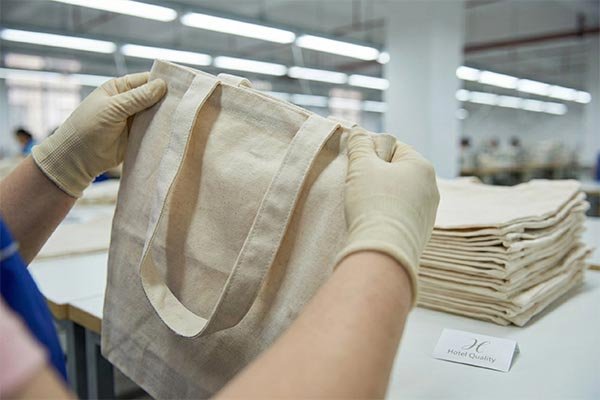
Choosing a supplier is a critical strategic decision. Procurement managers need more than just a seller. They need a partner who knows the hospitality industry. Many suppliers do not understand specific hotel needs or deadlines. The buyer must ask the right questions before committing to a contract.
Key Criteria for Selection
Does the supplier understand the specific use cases? Can they manufacture different types of bags for different areas? The hotel needs flexibility in minimum order quantities (MOQ). Lead times must be stable. A hotel cannot have bags arrive late for a grand opening or a peak season launch.
The Manufacturer Advantage
Working directly with a factory often yields better results. The buyer gets clear cost structures. The factory offers more choices for materials and printing techniques. A manufacturer acts as a partner in the project. They help the hotel balance cost and quality effectively.
| Selection Criteria | Standard Trader | Direct Manufacturer |
|---|---|---|
| Customization | Limited | Flexible |
| Cost Transparency | Low | High |
| Problem Solving | Slow | Fast |
| Relationship | Transactional | Partnership |
In sustainable projects, the supplier plays a key role. A reliable manufacturer provides stable and replicable solutions. This ensures the sustainability project succeeds without surprise costs or quality failures.
Conclusion
Reusable bags are essential for modern hotels. They improve guest experience and reduce waste. The industry must switch to durable, branded solutions to create lasting value for the property and the environment.
Frequently Asked Questions
Q: What specific file formats are required to customize the logo on reusable hotel bags?
A: To ensure high-quality printing without pixelation, manufacturers typically require vector files. The most common formats are AI (Adobe Illustrator), PDF, or EPS. These formats allow the logo to be scaled to any size on the bag without losing clarity, ensuring a professional brand presentation.
Q: How should hotels manage the inventory of reusable laundry bags if guests take them home?
A: Hotels can adopt two strategies. First, treat the bag as a marketing cost, accepting that a "stolen" bag is actually an advertisement circulating in the real world. Second, place a price card in the room indicating the bag is available for purchase; if it is missing, the charge is added to the guest’s bill, similar to bathrobes.
Q: Which eco-friendly material is best suited for wet areas like pools or spas to prevent mold?
A: While cotton is popular, it absorbs moisture. For wet areas, Tyvek (water-resistant and breathable) or laminated rPET (recycled plastic bottles) are superior choices. These materials repel water, dry quickly, and are easy to wipe clean, reducing hygiene risks in humid environments.
Q: How does the storage space required for reusable bags compare to disposable plastic options?
A: Reusable bags are generally bulkier than thin plastic rolls. Procurement managers must plan for adequate warehouse shelving. However, since the reorder frequency is much lower than disposables, the total turnover of stock is more manageable, balancing out the space requirement over time.
Q: Can reusable bags be washed effectively alongside standard hotel linens?
A:Yes, cotton and canvas bags can typically be laundered in industrial machines. However, to prevent logo fading or fabric shrinkage, it is recommended to wash them at lower temperatures or use bags made from pre-washed fabrics. Alternatively, using washable paper or Tyvek allows housekeeping to simply wipe them down with sanitizer.
Q: What are the standard lead times for manufacturing a fully custom hotel bag order?
A: Unlike off-the-shelf plastic bags, custom reusable bags usually require 30 to 45 days for production, plus shipping time. Hotels planning for a grand opening or a specific season should initiate the design and sampling process at least 3 to 4 months in advance to account for potential revisions.
Q: How can procurement managers verify that the "organic" or "recycled" materials are genuine?
A: Buyers should request international standard certificates from the manufacturer. For organic cotton, ask for GOTS (Global Organic Textile Standard) certification. For recycled materials like rPET, request GRS (Global Recycled Standard) certification. These documents track the material chain of custody.
Q: Is there a significant price difference between screen printing and embroidery for hotel logos?
A: Yes. Screen printing is cost-effective and works well for large, bold graphics on tote bags. Embroidery is more expensive and time-consuming but offers a premium, tactile feel, making it ideal for high-end items like luxury resort gift bags or velvet shoe pouches.
Q: What is the typical Minimum Order Quantity (MOQ) for a custom-sized reusable bag?
A:While stock bags can be bought in small quantities, fully custom sizes usually require an MOQ of 500 to 1,000 pieces. This volume is necessary to justify the setup of cutting molds and printing screens. Ordering below this threshold often results in a significantly higher unit price.
Q: Do heavier fabrics (higher GSM) always mean better quality for hotel guests?
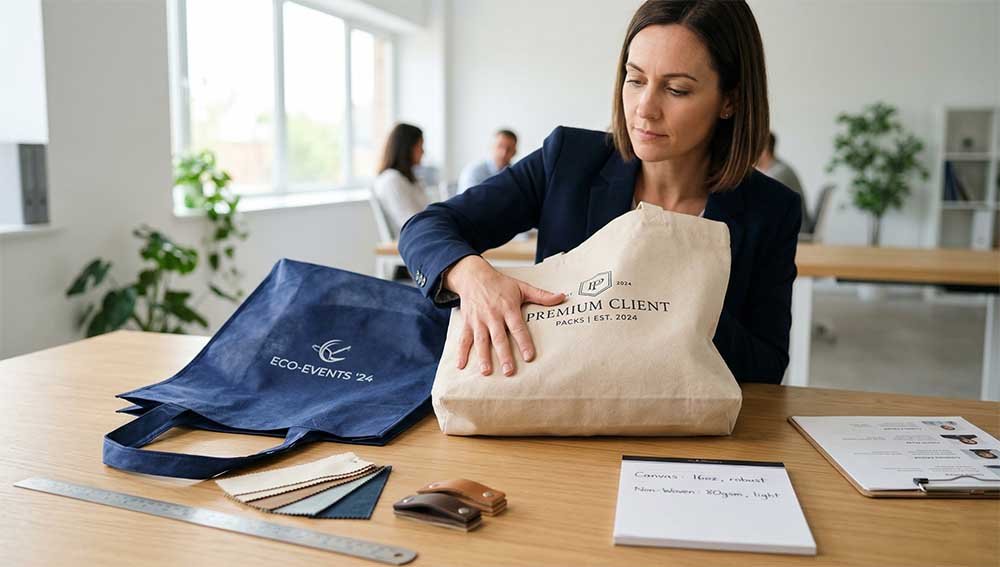
A: Generally, yes. A higher GSM (grams per square meter) indicates a thicker, more durable fabric. For a premium resort tote, a 12oz (approx. 340gsm) canvas feels much more substantial and "gift-worthy" than a thin 6oz promotional bag, directly influencing the guest’s perception of the hotel’s quality.
-
Learn about actionable strategies hotels can adopt for genuine environmental protection and compliance. ↩

 English
  Deutsch
  Español
  Português
  Русский
  العربية
  Français
  Italiano
  日本語
日本語  한국어
한국어  Dansk
Dansk