Skip to content

Many startups struggle with high costs and long delays when sourcing custom packaging. Choosing the wrong manufacturing model drains budgets. Understanding OEM and ODM models solves this problem.
For most startups, ODM bags offer a safer starting point. ODM manufacturing allows brands to launch faster and lower product-development risk. OEM bags suit mature companies that need stronger differentiation and possess the budget for custom bag manufacturer sampling.
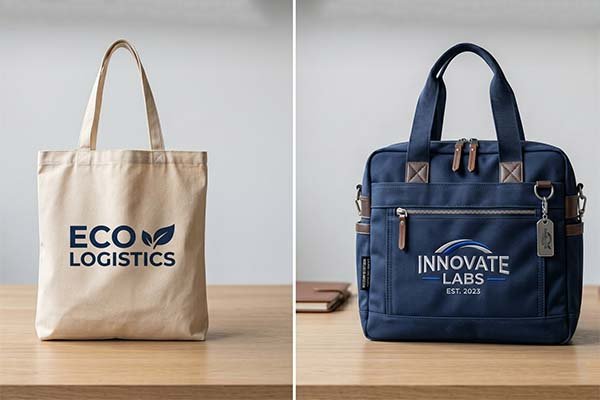
The custom bag industry operates differently than rigid manufacturing. Many buyers mistakenly believe custom production requires completely original dimensions. This misunderstanding often leads to budget overruns and extended lead times.
What Is the Difference Between OEM and ODM Bags?
Brands often confuse custom development with standard branding. This confusion creates unrealistic supply chain expectations. Clarifying these terms helps procurement managers choose the right production path.
OEM means a factory manufactures a bag to exact buyer specifications. ODM means the factory offers an existing bag design. Brands customize this existing design with specific logos, colors, and selected materials.
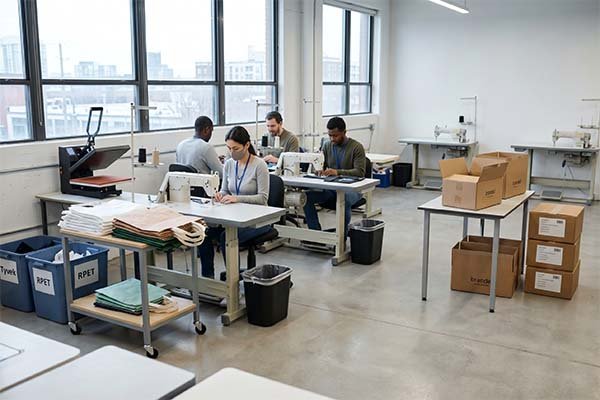
Understanding the real difference matters for supply chain efficiency. In the soft goods industry, OEM does not always mean inventing a new product. OEM focuses on specific structural changes.
OEM Customization Elements
A custom bag manufacturer typically adjusts several elements for OEM projects.
- Size Adjustments: Brands request unusual dimensions or specific capacities.
- Structure Changes: Companies add custom pockets, compartments, or special strap designs.
- Material Upgrades: Projects require waterproof fabrics or heavy-weight canvas.
- Craftsmanship: Factories add custom zipper pulls, woven labels, or screen printing.
ODM Practical Logic
ODM functions as brand extension on mature templates. Factories do not need to develop new patterns. This approach suits startups perfectly. Brands change colors and materials. Factories add embroidery and adjust minor hardware. Mature brands use ODM manufacturing to reduce risk and shorten delivery times. ODM packaging bags are not low-end products. High perceived value comes from material quality rather than new shapes.
| Feature | OEM Bags | ODM Bags |
|---|---|---|
| Development Speed | Slow | Fast |
| Originality | Complete structural control | Branding on existing structures |
| Target User | Mature brands | Startups |
Why Do Bag Manufacturers Prefer Standard Sizes?
Factories frequently suggest standard dimensions. Startups sometimes resist this advice. Trusting standard sizes actually improves quality control and keeps project costs within acceptable ranges.
Standard bag sizes allow factories to optimize fabric cutting and reduce material waste. This efficiency lowers production costs and stabilizes quality. Mature lines handle standard custom tote bags much faster than irregular sizes.
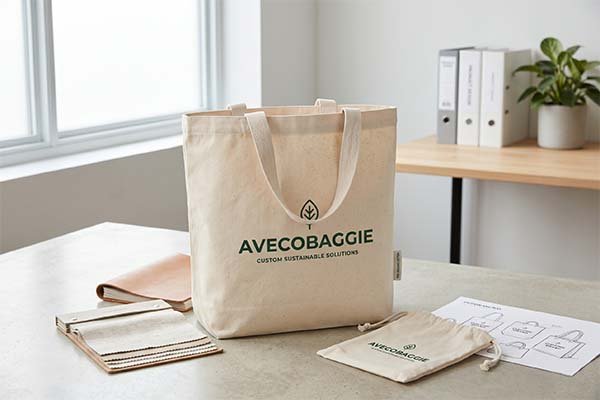
Startups often request highly specific dimensions. An OEM bag manufacturer usually suggests standard sizing first. Standard sizes make production much smoother.
Production Efficiency Factors
Standard sizes improve factory operations in multiple ways.
- Material Utilization: Standard patterns fit fabric rolls perfectly. This reduces wasted material.
- Cutting Stability: Automated cutting machines work best with familiar shapes. Error rates drop.
- Cost Control: Less waste means lower raw material costs. Factories pass these savings to the buyer.
The Impact on Minimum Orders
Non-standard sizes usually increase minimum order quantities1. Factories cannot share custom materials across different client orders. Production scheduling becomes more difficult. Startups rarely need unique dimensions. End consumers do not notice a one-centimeter difference in custom canvas bags. Consumers care about visual design and material feel. Using standard sizes helps brands launch custom packaging bags without unnecessary production hurdles.
| Production Aspect | Standard Size | Custom Size |
|---|---|---|
| Fabric Waste | Minimal | High |
| Cutting Accuracy | Very High | Variable |
| Cost Efficiency | Excellent | Poor |
How Can ODM Bags Help Startups Lower MOQ and Costs?
Early-stage brands face tight budgets and uncertain sales. High minimum orders kill new projects. ODM manufacturing directly solves these initial financial and inventory risks.
ODM manufacturing lowers costs by using existing patterns. Factories skip the expensive pattern-making and sampling phases. Brands share standard production resources. This shared efficiency naturally lowers minimum order requirements.
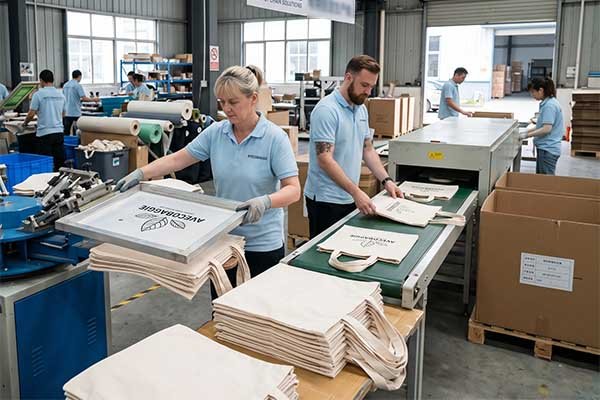
Startups face many unknowns during launch. Budgets are limited. Product lines change frequently. Market demand remains unproven. ODM manufacturing addresses these exact pain points.
Reducing Development Costs
ODM eliminates the need for expensive new patterns. Brands reduce the number of sample revisions. The sampling timeline shrinks from weeks to days. A custom cosmetic bags manufacturer uses existing fabric stocks.
Lowering Order Requirements
Low MOQ custom bags become possible through ODM. Factories use regular materials. Factories combine similar production runs. This shared efficiency lowers the barrier to entry for new brands.
Speed to Market
Shorter lead times help brands test seasonal projects. Many successful companies start with ODM bags. Brands test the market first. The brand upgrades the product later. Once sales stabilize, the brand develops exclusive OEM structures. This strategy protects cash flow while building product lines.
| Startup Challenge | ODM Solution |
|---|---|
| High Sampling Cost | Uses existing patterns |
| High Minimum Orders | Shares standard materials |
| Slow Market Entry | Shortens lead times |
What Makes ODM Bags Look More Premium?
Many buyers associate existing designs with cheap products. This assumption is incorrect. Premium brand presentation relies on material choices and finishing details rather than unique shapes.
Premium custom bags rely on fabric texture, high-quality embroidery, and custom hardware. Consumers notice thick canvas and clean stitches more than original bag shapes. Upgrading these small details transforms a standard bag.
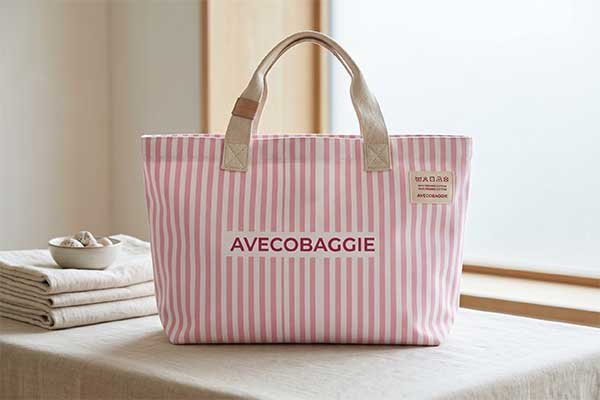
Consumers evaluate bags based on touch and visual finish. Completely original designs do not guarantee a premium feel. Luxury reusable packaging focuses on execution.
Key Elements of Premium Design
Brands elevate any standard silhouette using specific upgrades.
- Fabric Quality: Heavy canvas2 or matte textures feel expensive.
- Logo Craftsmanship: Embroidery adds depth. Woven labels show attention to detail.
- Hardware Selection: Custom zipper pulls and thick linings improve the user experience.
- Structural Cleanliness: Minimalist shapes look more sophisticated.
The Value of Mature Patterns
Many premium brands use mature patterns for their branded eco bags. Mature patterns offer stable costs. The factory knows how to sew the pattern perfectly. This consistency encourages customer repurchasing. An OEM handbag might have unique pockets. A well-made ODM bag often looks more expensive. Brands achieve high recognition through consistent color systems and smart logo placement.
| Detail Upgrade | Impact on Premium Feel |
|---|---|
| Fabric Weight | High |
| Logo Embroidery | High |
| Custom Linings | Medium |
How Do Brands Combine OEM and ODM Strategies?
Relying entirely on one manufacturing method limits growth. Smart brands mix different production models. This balanced approach protects budgets while building unique market positions.
Companies combine OEM and ODM strategies based on product type. Startups use ODM to test markets quickly. Mature brands use ODM for standard items and OEM for functional, signature products.
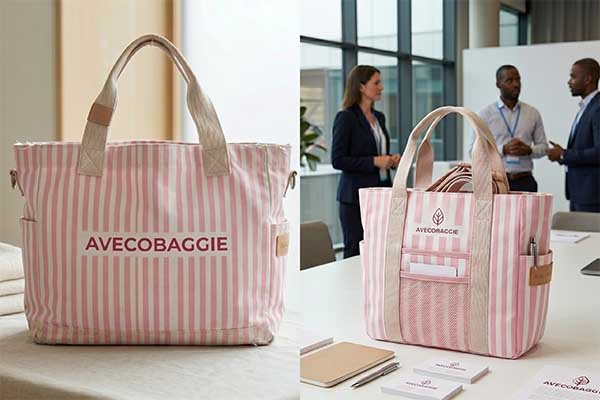
Different business stages require different supply chain strategies. A single custom bag manufacturer provides both services.
Strategic Phasing
Brands evolve their sourcing methods over time.
- Startup Phase: Companies rely heavily on ODM. This provides fast market testing.
- Growth Phase: Brands introduce select OEM products. This builds brand differentiation.
- Mature Phase: Companies run OEM and ODM concurrently. This balances innovation with efficiency.
Product Allocation
Not all items need complex development. OEM suits functional products. Special travel bags or complex organizers require exact OEM china bag manufacturing. ODM suits everyday items. Tote bags, drawstring bags, and retail packaging bags work perfectly as ODM products. Mature brands avoid making everything OEM. Over-development increases risk and inventory pressure. The smartest strategy uses semi-custom production. Brands apply custom marketing solutions to mature structures.
| Business Stage | Primary Strategy | Goal |
|---|---|---|
| Startup | ODM | Fast market entry |
| Growth | Mixed | Build differentiation |
| Mature | Balanced | Optimize cost |
Conclusion
For startups, success means controlling budgets and launching quickly. Brands utilize mature production systems. ODM manufacturing provides the safest path to establish brand identity without unnecessary development risks.
Frequenty Asked Questions
Q: If I use an ODM’s mature pattern, can other brands use the same style? Will this cause copyright conflicts?
A: ODM utilizes the factory’s public molds or mature patterns, which indeed means other brands can use the same basic structure. However, this typically does not cause copyright conflicts because the basic silhouette of a bag (such as a standard tote or cosmetic bag) is considered a generic design. Your brand’s moat and copyright are established through your customized logo, print patterns, exclusive colorways, and specific hardware combinations.
Q: Since the article mentions ODM can lower the MOQ, what is the general MOQ for soft bag ODMs in the industry?
A: There is no absolute fixed number in the industry, but generally, if you use the factory’s ready-made standard fabrics and regular colors, the ODM MOQ (Minimum Order Quantity) can be as low as 300-500 pieces. In contrast, OEM orders requiring special size development or custom fabric dyeing often require an MOQ of 1,000 pieces or more.
Q: If I want a special eco-friendly fabric that is not in the factory’s inventory, can I still use the ODM model?
A: Yes, but this will diminish some of the advantages of ODM. When you specify a special fabric that the factory doesn’t have on hand, they must source it specifically for you, breaking the logic of "sharing standard production resources." This usually results in longer lead times, and the MOQ will be raised to meet the fabric supplier’s minimum purchasing threshold.
Q: What is the specific lead time difference between OEM and ODM from design confirmation to mass production?
A: ODM usually skips the repetitive pattern-making and structure modification steps, meaning sampling can be completed in as little as 7-15 days, with mass production taking about 20-30 days. OEM, which involves scratch-built paper patterns, structure testing, and sourcing new materials, may require 3-4 weeks just for sampling, and mass production often takes over 45-60 days. The overall difference in lead time can be around a month.
Q: Is there a big difference in sampling fees between OEM and ODM? Will ODM waive the sampling fee?
A: There is a significant difference. OEM sampling fees are usually higher (ranging from $100 to $300) because a pattern maker needs to create new templates from scratch. ODM relies on existing patterns, so you only pay for basic labor and printing/embroidery, resulting in much lower fees. Many factories will fully refund this sampling fee once the ODM bulk order is confirmed.
Q: When my brand’s sales stabilize and I prepare to transition from ODM to OEM, what preparation work should I do in advance?
A: You need to collect early user feedback data to identify exactly where the existing ODM bags fail to meet your core users’ pain points regarding size, compartments, or functionality. Approaching the factory with these specific data points and improvement requirements (e.g., adding a specific-sized insert, adjusting the load-bearing points of the shoulder strap) will make your OEM development much more precise while keeping costs under control.
Q: Is there a difference in Quality Control (QC) standards between using a factory’s mature pattern (ODM) and fully independent development (OEM)?
A: Yes. Because ODM styles are produced by the factory year-round, assembly line workers are highly familiar with any technical difficulties, resulting in a typically low defect rate. Your QC focus here should just be on logo printing quality and detail alignment. OEM involves new structures, making initial bulk production prone to flaws at unique stitching joints or newly added stress points. Therefore, initial OEM QC standards must be stricter, especially regarding load-bearing capacity and zipper smoothness tests.
Q: Does the outer packaging of the bags (like hangtags, dust bags, outer cartons) fall under OEM or ODM? Can it be customized?
A: Packaging can be customized entirely independently of the bag itself. Even if you choose the ODM model for the main body of the bag, your hangtags, dust bags, and shipping boxes can undergo deep OEM customization (e.g., special material dust bags, gold-foil stamped hangtags). This is the exact operational strategy mentioned in the article for "enhancing a premium feel through details."
Q: What is the most common hidden cost pitfall for startups in their first batch of ODM orders?
A: The most easily overlooked hidden cost is "excessive hardware and accessory customization." Many startup brands choose ODM for the bag body but request custom-molded zipper pullers or an inner lining with a full-print brand logo. These minor hardware molds and all-over prints often carry extremely high MOQ requirements, which can severely drain your overall budget even if the bag itself is ODM. In the early stages, it is highly recommended to use standard, high-quality hardware and simply place your logo in a prominent, core position.
 English
  Deutsch
  Español
  Português
  Русский
  العربية
  Français
  Italiano
  日本語
日本語  한국어
한국어  Dansk
Dansk